Behind every finished façade panel or interior wall system, there is a long chain of material selection, processing, inspection, and coordination. When buyers look for products that use Aluminum Coil and work with an Aluminum Composite Panel Factory, transparency in this chain becomes a practical need, not just a marketing idea. Buyers today do more than compare prices. They look at how clearly a factory shares information about its materials, processes, standards, and limits. This clarity directly affects buying decisions, project planning, and long-term partnerships.
Transparency helps buyers reduce risks. It lets them see what they are paying for, how the product is made, and if it meets the technical and legal needs of their project. In fields like construction, signage, transport, and interior design, unclear information can cause delays, extra work, or problems with rules.
Knowing About Material Sources and Aluminum Coil Details
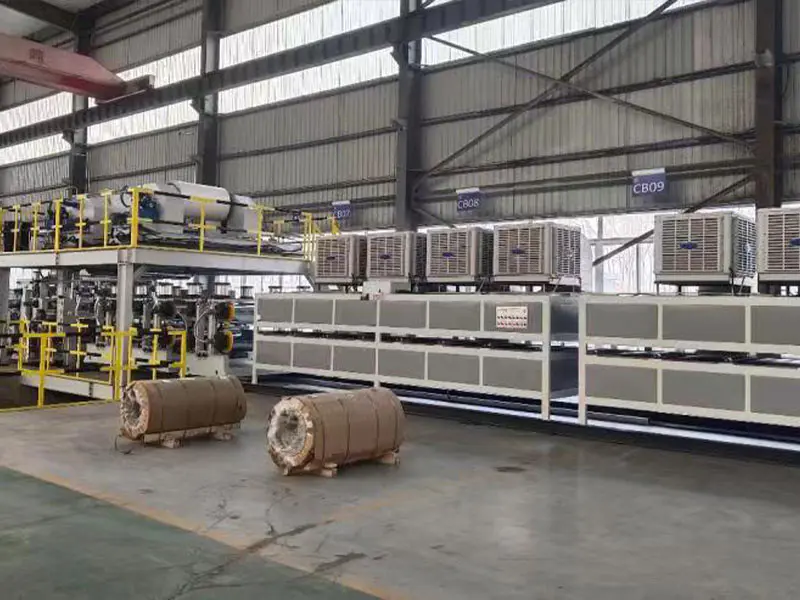
One of the places where transparency matters is raw material sourcing. Aluminum composite panels depend a lot on the aluminum coil used for the outer layers. Buyers often need to know details like the alloy type, temper, thickness tolerance, coating kind, and supplier background.
When a factory clearly explains where its aluminum coils come from and their specifications, buyers can check if those materials match local standards, weather conditions, and where the panels will be used. For example, outdoor walls might need a different coating system than indoor decorative panels. Without open information, buyers might only find out about mismatches after installation, which can cause more costs or performance issues.
Clear material documents also help buyers compare products from different factories fairly. Instead of relying on general descriptions, they can look at real technical details and make better choices.
Clear Manufacturing Processes and What the Factory Can Do
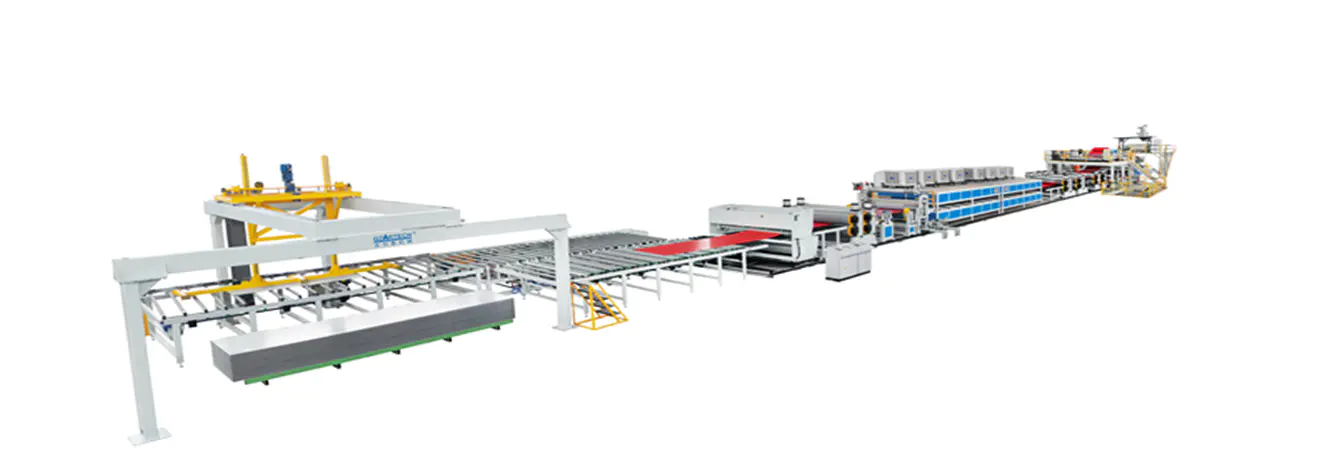
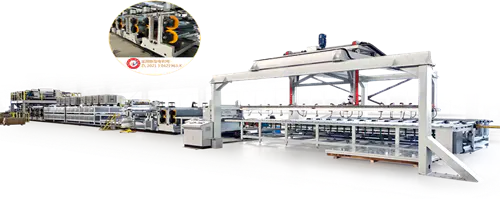
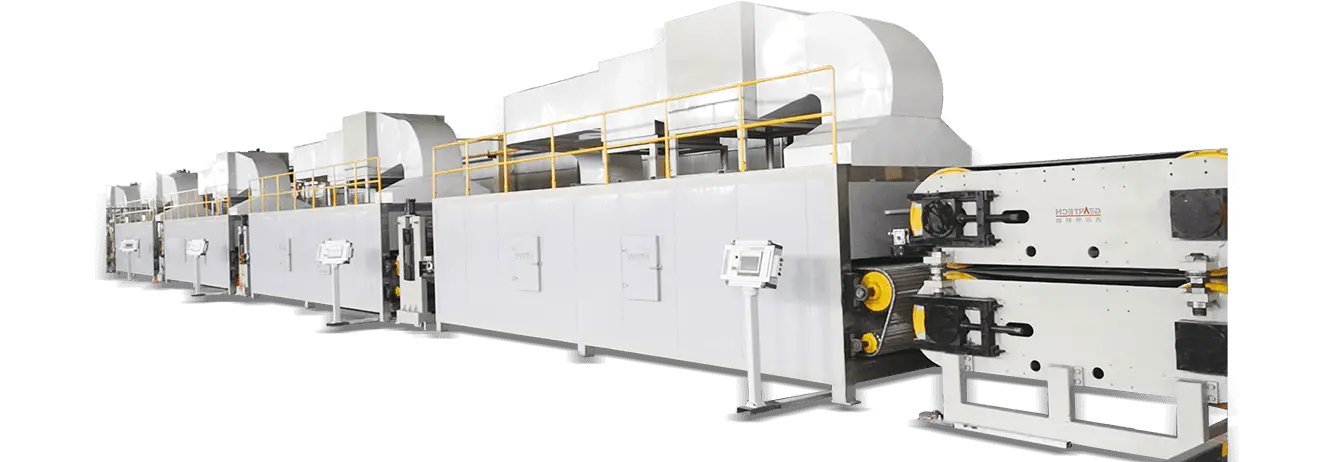
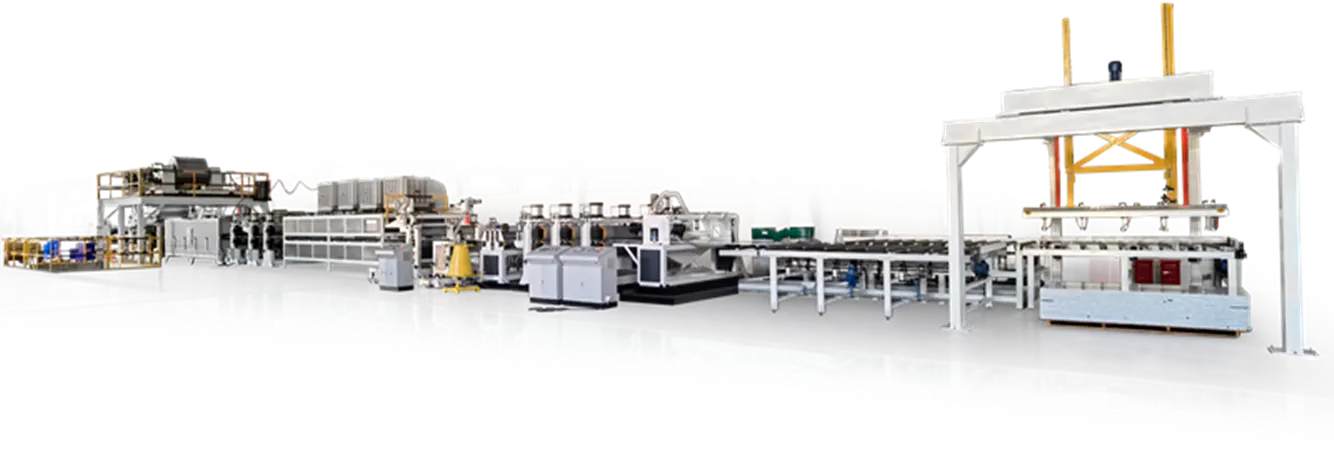
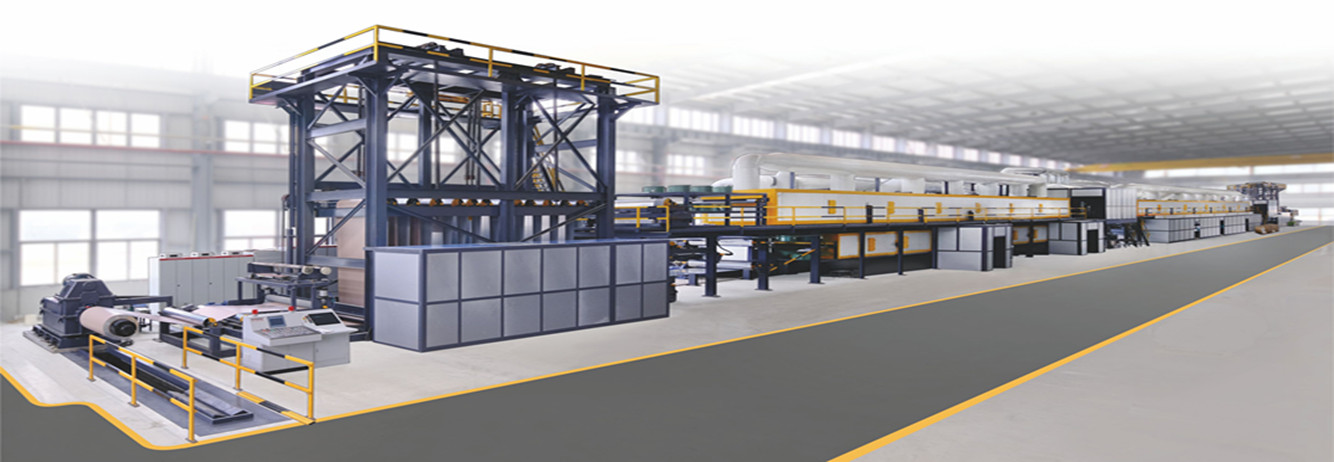
Making aluminum composite panels involves many steps. These include coil coating, core material preparation, bonding, cutting, and surface protection. Each step affects the final panel's flatness, bond strength, and surface quality.
A transparent Aluminum Composite Panel Factory will explain its production steps in a way buyers understand, even if they are not technical experts. This does not mean sharing secret details, but it does mean explaining key processes, quality checks, and machine capabilities.
When buyers know how panels are made, they can better judge if a factory is right for large projects, custom orders, or tight deadlines. It also helps avoid misunderstandings about what a factory can really do, especially for custom colors, thicknesses, or panel sizes.
Sharing Quality Control and Testing Standards
Quality control is often talked about, but not always explained. Transparency here means showing how quality is checked, not just saying that checks happen. Buyers gain from knowing which tests are done, how often, and what standards are used.
For aluminum composite panels, this can include checking coating thickness, testing adhesion, verifying size accuracy, and inspecting the surface. When factories openly share these practices, buyers can match their expectations with real product performance.
This openness is very important for buyers in regulated markets or projects that need third-party approval. Clear quality control information helps buyers prepare documents and avoid problems during project reviews.
Honest Talk About Product Limits
No product is good for every situation. Transparency also means talking about limits, like where the panels should be used, temperature ranges, or installation conditions. Buyers value factories that clearly say where aluminum composite panels work well and where other solutions might be better.
This builds real trust. Instead of making big promises, factories that explain limits help buyers pick the right panel for each project. This reduces arguments later and makes projects run more smoothly.
For buyers handling many projects in different places, knowing these limits early supports better planning and accurate specifications.


 中文简体
中文简体 English
 Português
 русский
 Español
 عربى
عربى