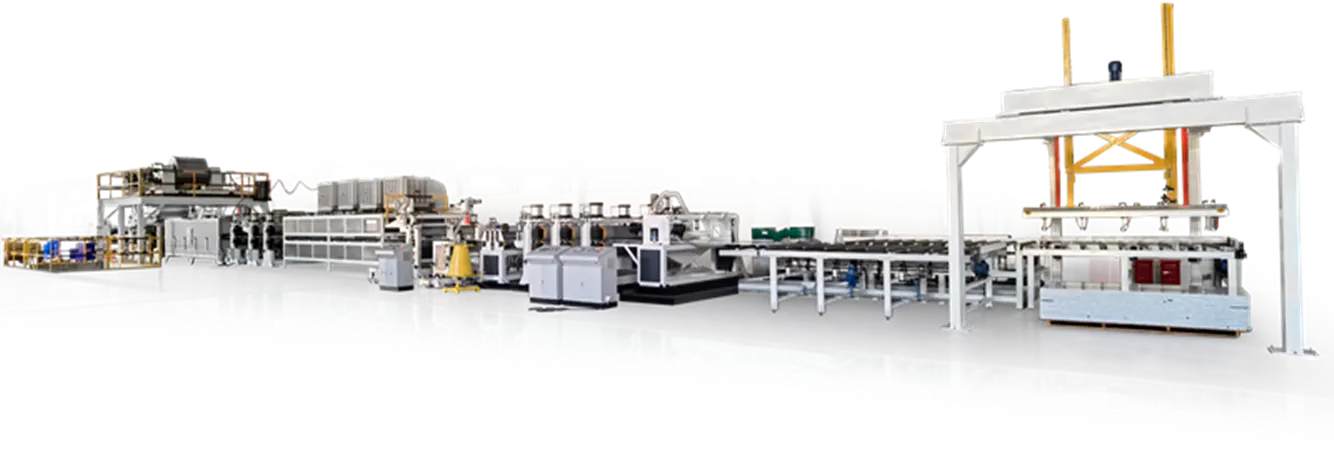
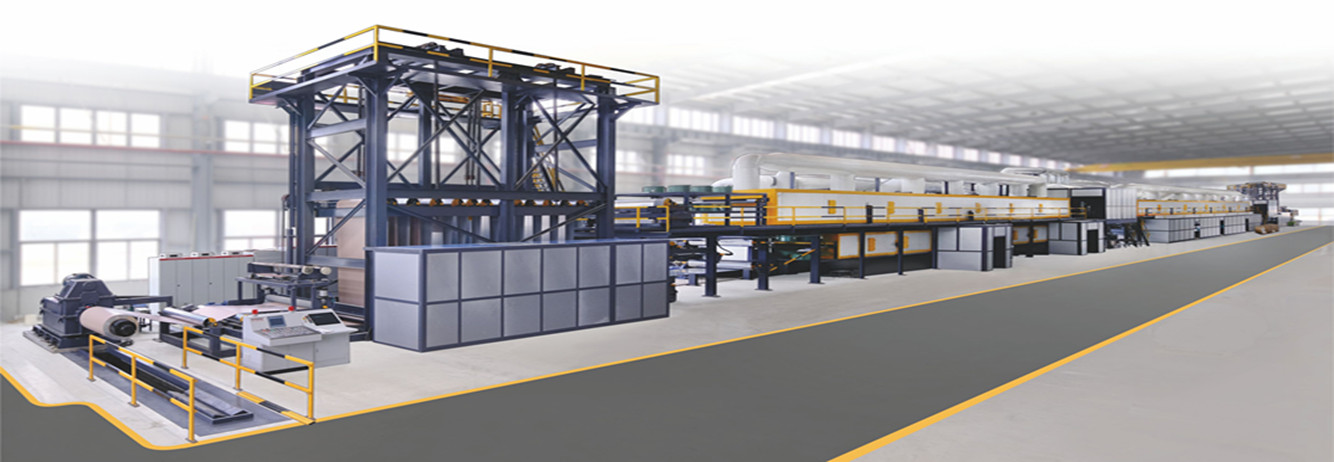
A noticeable shift has taken place in many commercial renovation projects as ACP Line systems and Aluminum Composite Material Engineering are applied to storefront façades. Many property owners look for a surface that improves visual order without requiring complicated maintenance, and aluminum composite panels offer a balanced solution. Their structure, production features, and installation flexibility give designers enough room to create clean, continuous façades suited for retail and service environments.

How ACP Line Panels Support Modern Storefront Layouts
Storefront upgrades often start with the need to reorganize exterior surfaces. Traditional cement finishes or painted metal sheets can easily show dust, uneven joints, or weathering traces. ACP Line panels introduce a more consistent appearance through their layered construction. The aluminum skins and core PE or FR materials help maintain a smooth surface that remains uniform across larger areas.
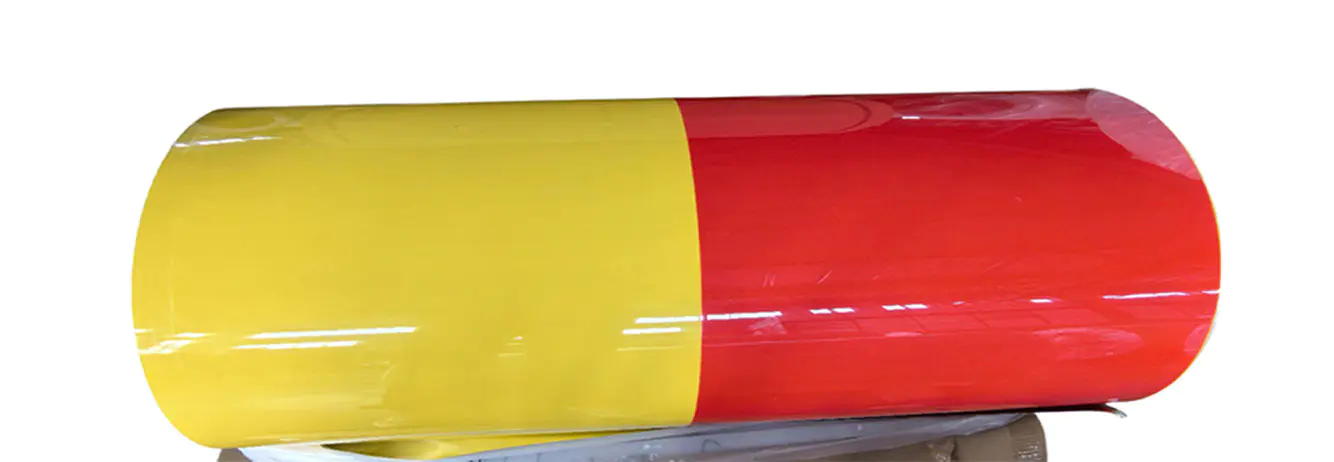
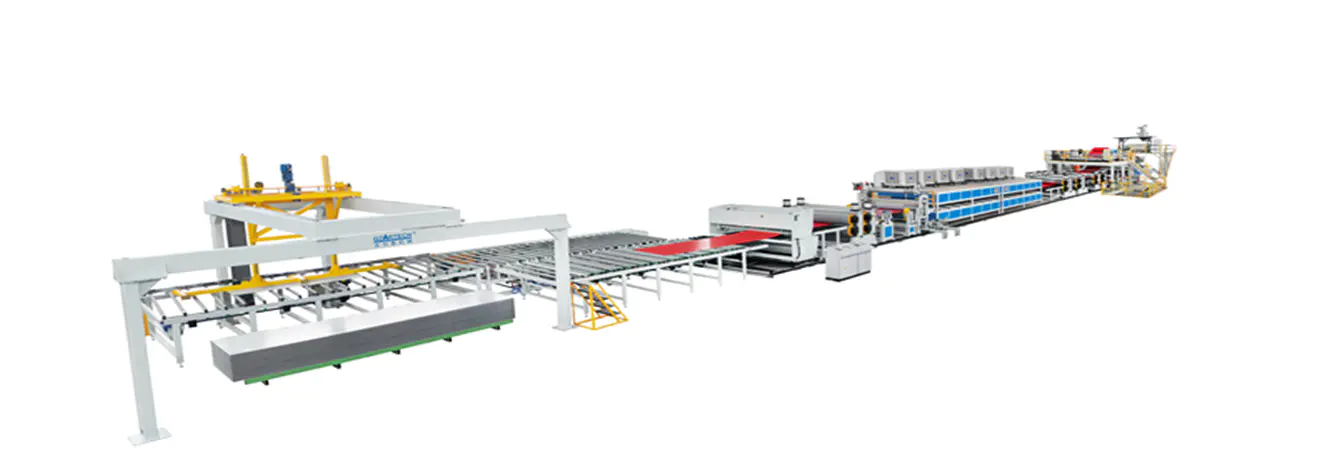
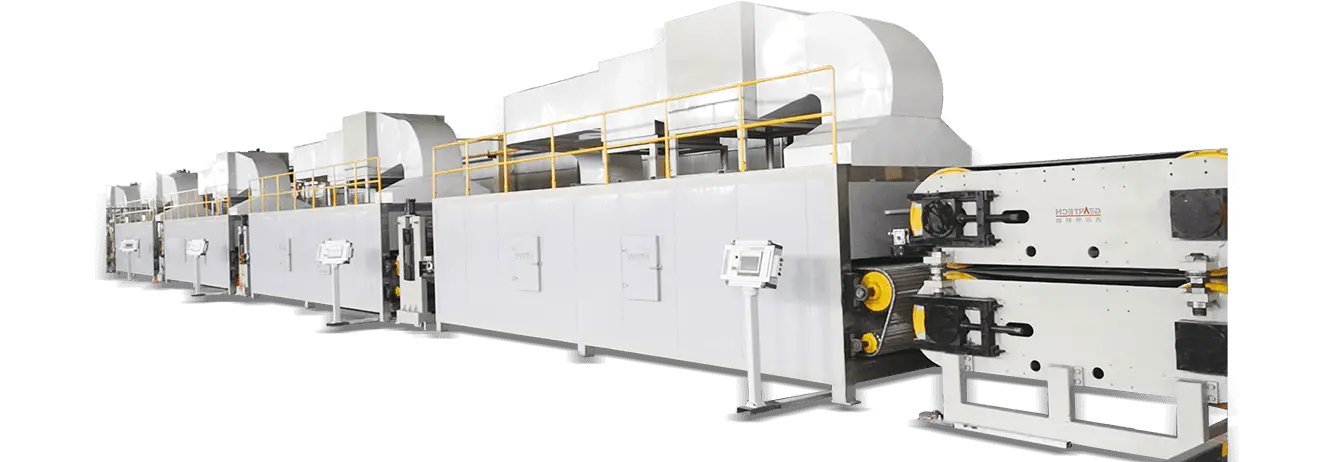
Aluminum Composite Material Engineering also helps regulate surface flatness during production. Coil coating systems—often involving cleaning, pretreatment, rolling coating, and controlled baking—allow the color layer to stay even. By the time panels are formed and cut, the surface already carries a stable coating layer with predictable color consistency. This helps storefront design teams reduce unexpected tone differences once the panels are installed under natural daylight.
Choosing Surface Colors, Patterns, and Textures
Retail stores often rely on brand recognition, and color choice plays a practical role. ACP Line panels are commonly available in solid colors, metallic finishes, brushed surfaces, or stone-like patterns. The coil coating stage determines how the final shade aligns with design needs. PE, PVDF, or acrylic paints used in the coating process each offer different weathering performance levels, allowing owners to decide based on expected outdoor exposure.
For storefronts located in busy commercial districts, brushed or textured finishes help control visible smudges while maintaining a refined look. Smooth glossy panels, on the other hand, work well for tech retailers, optical shops, or stores wanting a clean, reflective front. Aluminum Composite Material Engineering provides the structure needed to apply these treatments without compromising panel flatness.
Handling Waterproofing and Joint Control in Storefront Projects
Storefront renovation is not only about appearance. Water management is one of the concerns that installers must address. ACP Line systems typically rely on concealed fastener methods and controlled joint spacing. Sealant selection, joint depth, and panel layout influence the overall water-shedding performance.
Aluminum Composite Material Engineering contributes by supporting precise grooving and folding. Panels can be processed into tray-type shapes, allowing installers to conceal joints and guide water away from vulnerable areas. This approach is helpful for shop entrances that face open streets where rainfall, wind, and dust occur frequently. When planned with appropriate flashing and sealing materials, the façade can maintain its appearance without water streaks forming around panel edges.
Considering Durability and Outdoor Stability
Commercial environments expose storefront materials to sun, pollutants, and temperature differences throughout the year. The coated aluminum skins used in ACP Line panels offer a balanced combination of rigidity and flexibility. Because the metal layers are thin yet stable, they respond to heat expansion in a controlled way, reducing surface deformation.
During production, the use of advanced coil coating lines ensures a uniform paint layer. This allows the panels to maintain their appearance under long-term outdoor conditions. For shops located in coastal or humid climates, the corrosion resistance associated with aluminum composite structures helps reduce surface deterioration.
Installation Flexibility and Project Scheduling
Many storefront upgrades take place while businesses remain open, so project time is often compressed. ACP Line panels are lightweight compared with many traditional cladding materials, which helps installers complete façade sections in shorter intervals. The panels can be cut, routed, folded, and mounted using standard aluminum composite tools, allowing teams to adapt quickly to signs, door frames, glass partitions, and logo positions.
Aluminum Composite Material Engineering supports uniformity during fabrication, making it easier to replicate shapes when multiple storefronts share similar brand guidelines. Chain stores and franchise groups often use this advantage to keep their locations consistent across different cities.
How ACP Panels Support Lighting and Sign Integration
Retail façades usually incorporate lightboxes, backlit logos, or exterior linear lighting. ACP Line panels can integrate these elements through controlled cutouts or recessed areas. The structural characteristics of aluminum composite sheets allow signage installers to create smooth transitions between the panel surface and the lighting components.


 中文简体
中文简体 English
 Português
 русский
 Español
 عربى
عربى