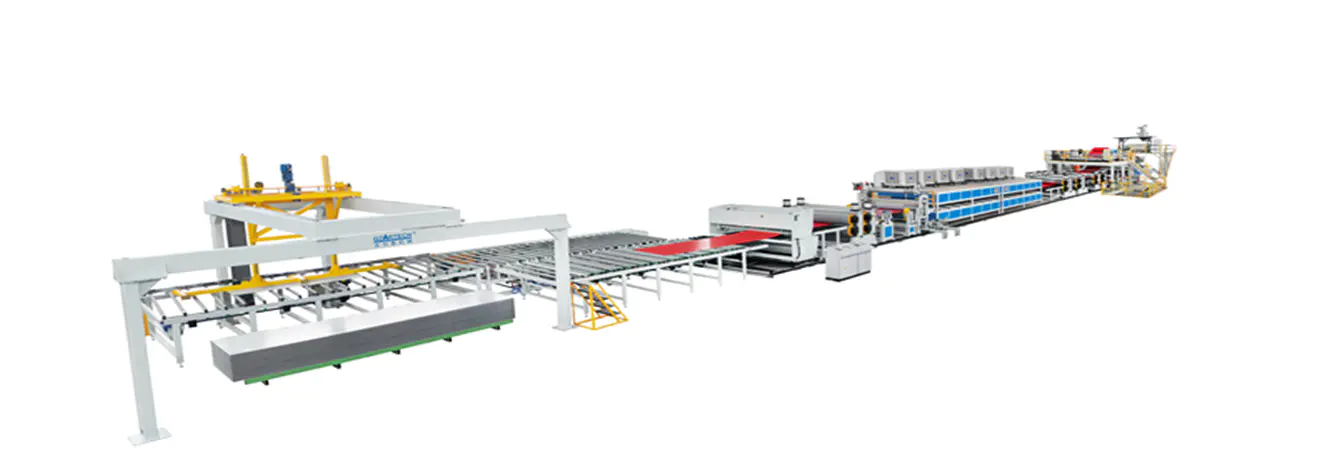
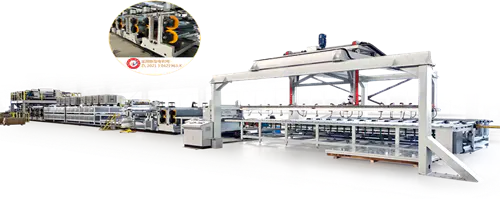
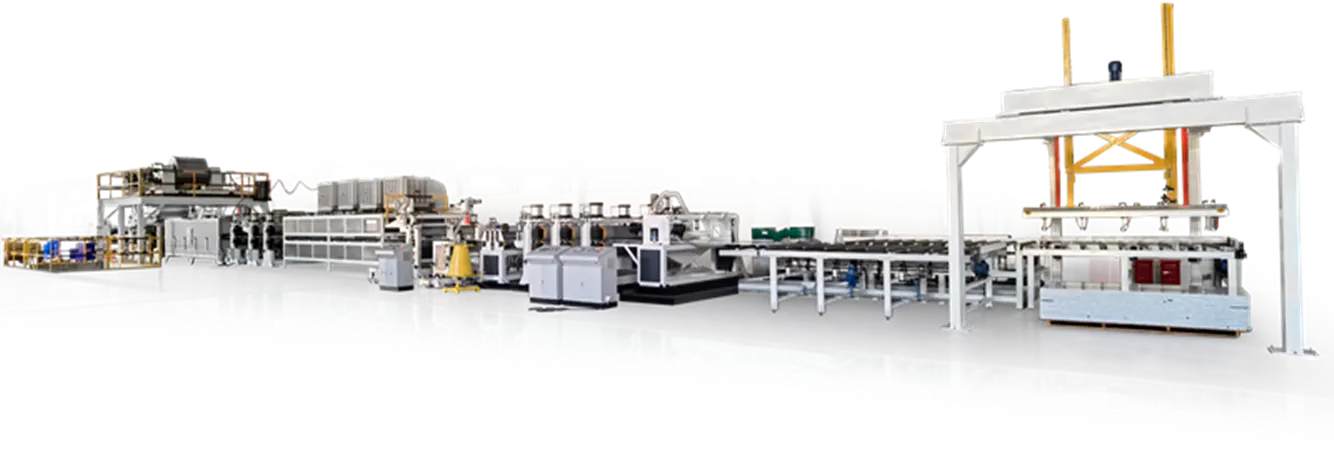
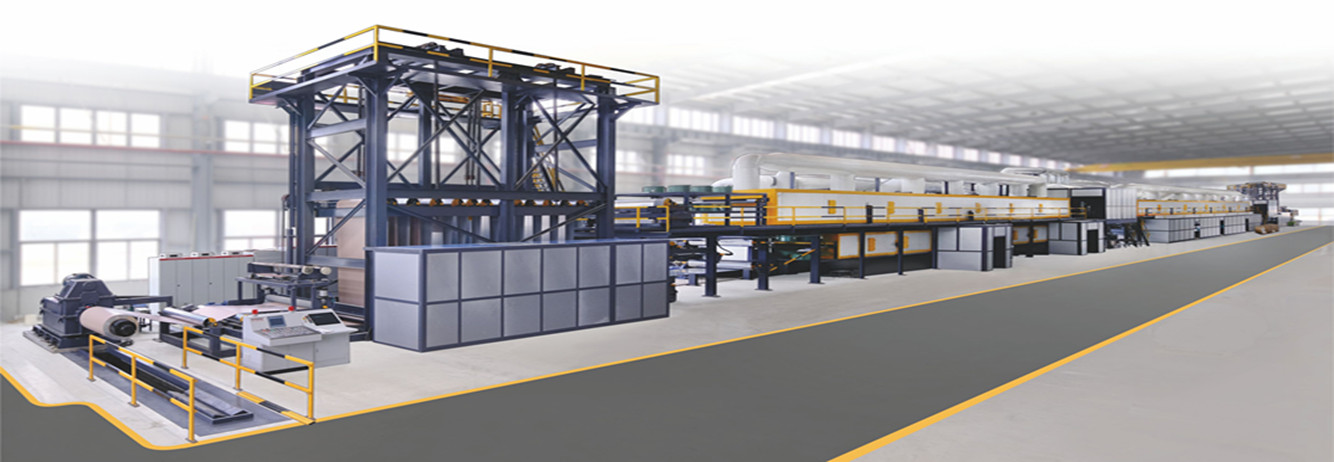
Growing expectations for durable façade and outdoor decorative materials have prompted many designers to evaluate how an ACP Line interacts with broader Aluminum Composite Material Engineering. As more buildings incorporate lightweight panels, textured surfaces, and mixed-metal aesthetics, waterproofing becomes a central concern. The use of composite structures, pre-coated aluminum coils, and advanced lamination technologies has gradually created a balanced way to handle outdoor exposure without relying on heavy structural additions or overly complex sealing systems.
How Pre-Coating Systems Strengthen Surface Resistance Against Moisture
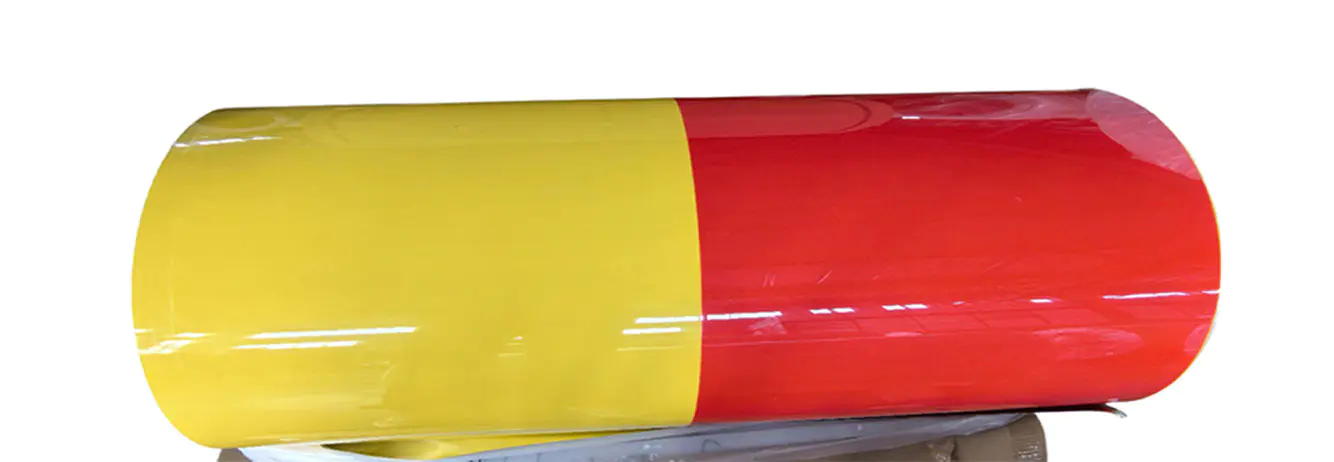
Before aluminum sheets are bonded into composite panels, coil coating systems play an important role in shaping surface behavior. The process usually involves cleaning, passivation, multi-layer coating, and controlled baking. By using rolling coaters, the coating thickness stays relatively steady, reducing the chance of micro-gaps that might later become moisture entry points.
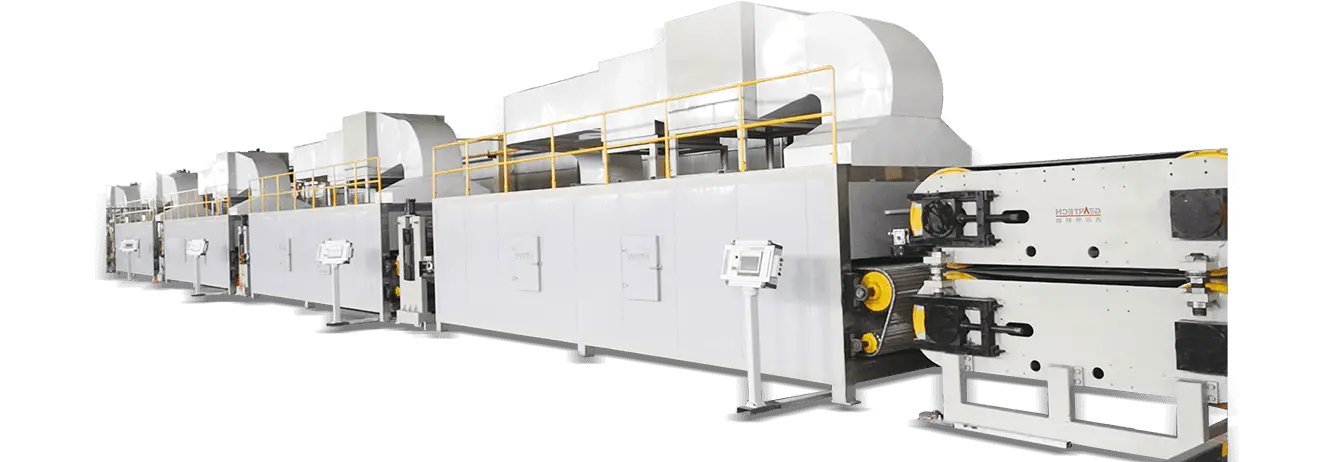
The ability to select coatings such as PVDF, PE, or AC provides flexibility depending on the project environment. PVDF is often chosen for areas with strong UV exposure or frequent rainfall, while PE or AC can be applied in indoor or transitional zones. The heating and drying systems—powered by natural gas or diesel—ensure that coatings cure evenly. This steady curing helps the upper layer maintain its bond strength throughout temperature changes or routine outdoor contact.
These steps form the basis of water-resistant performance. When panels enter lamination or bending stages, uniform coating layers act as a continuous protective skin, helping prevent water infiltration during installation or long-term exposure.
Why Secure Lamination Matters for Water-Sensitive Applications
Lamination sits at the core of Aluminum Composite Material Engineering because composite panels rely on stable bonding between aluminum skins and core materials. Consistent pressure and temperature levels along the ACP Line help reduce the likelihood of internal voids—areas that may trap moisture or create expansion issues when exposed to fluctuating weather.
Production speeds around 0–6 m/min provide operators enough control to match lamination conditions with aluminum thickness and core density. When the bonding environment remains steady, panels show fewer issues such as bulging, delamination, or uneven deformation once installed on façades, canopies, or signage structures.
These details become especially important in everyday outdoor projects, where panels must interact with sealants, fasteners, and support frames. A stable internal structure makes it easier to maintain tight seams and reduce water seepage through connecting joints.
Incorporating Textured and Three-Dimensional Surfaces Without Sacrificing Weather Resistance
Three-dimensional metal plates, known for their corrosion tolerance and decorative appeal, demonstrate how modern surface technology can influence waterproofing strategies. Their stamping and stretching processes create patterns while maintaining structural stability. Some of these concepts are now being integrated into ACP production, encouraging lines to prepare aluminum surfaces that support both smooth and textured finishes.
As design trends shift toward embossed or patterned façades, ensuring that textured surfaces do not trap water becomes essential. Coating uniformity and aluminum flatness control on the ACP Line help prevent small depressions from forming unintentionally. This allows three-dimensional designs to maintain visual impact without increasing moisture-related risks.
Colors and surface treatments also play a role. Brushed metals, metallic tones, and multi-layer effects can be produced without altering water resistance, as long as the coating line maintains predictable output. This stability helps designers balance aesthetics with outdoor durability.
How Dimensional Flexibility Supports Tighter Waterproofing Structures
Outdoor installations benefit from large, continuous surfaces because reducing the number of joints often helps control water movement. Modern ACP Lines support adjustable widths—such as 800–1300 mm or 800–1600 mm—allowing panels to cover broad areas without excessive seams.
For curtain walls, outdoor enclosures, or roof-edge cladding, fewer joints generally simplify waterproofing details. Installers spend less time aligning multiple small pieces, and the risk of inconsistent sealing is reduced. Larger dimension ranges—such as long panels produced under sizes like 51000×3600×3500 mm machinery footprints—allow engineering teams to accommodate extended façade sections or horizontally stretched applications.
Material Screening and Core Selection Strengthen Moisture Control
The raw materials used in aluminum surfaces and core layers influence how well a panel resists environmental changes. High-quality alloy selection, as seen in the production of three-dimensional metal plates, demonstrates the value of consistent composition. Panels behave more predictably under humidity or rain exposure when the metals exhibit stable hardness and corrosion resistance.


 中文简体
中文简体 English
 Português
 русский
 Español
 عربى
عربى