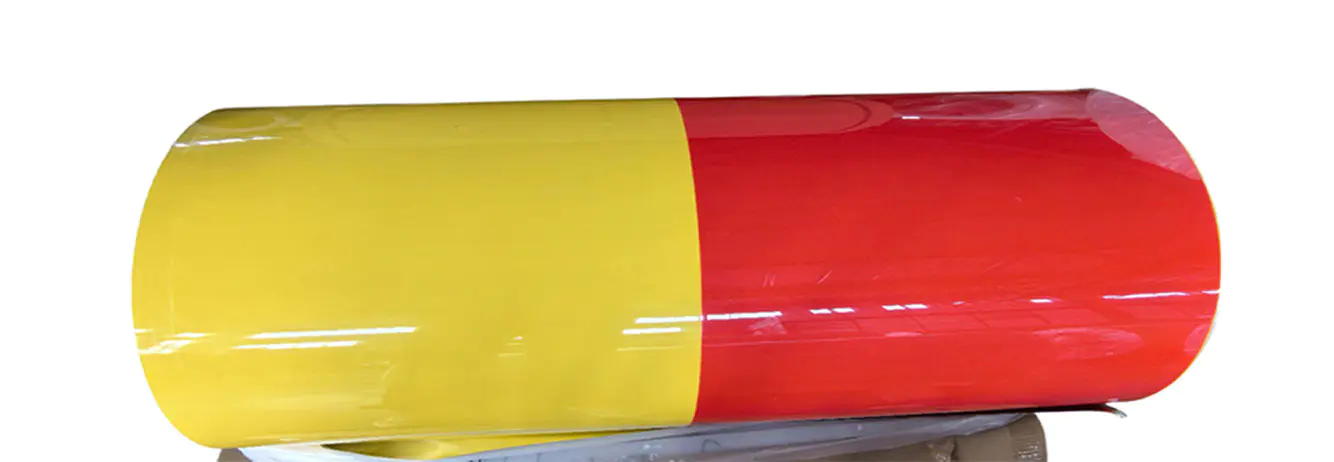
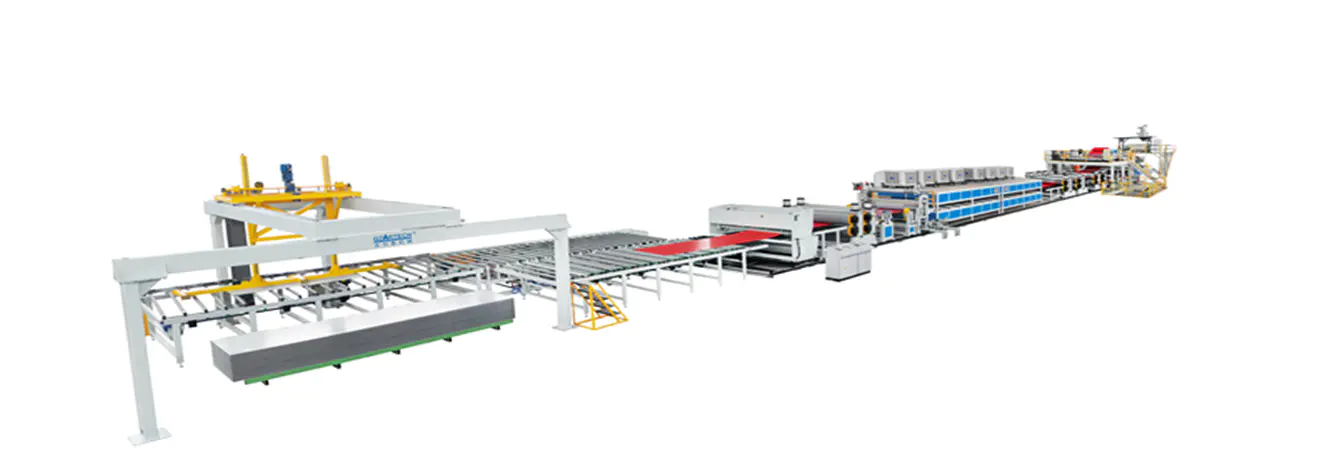
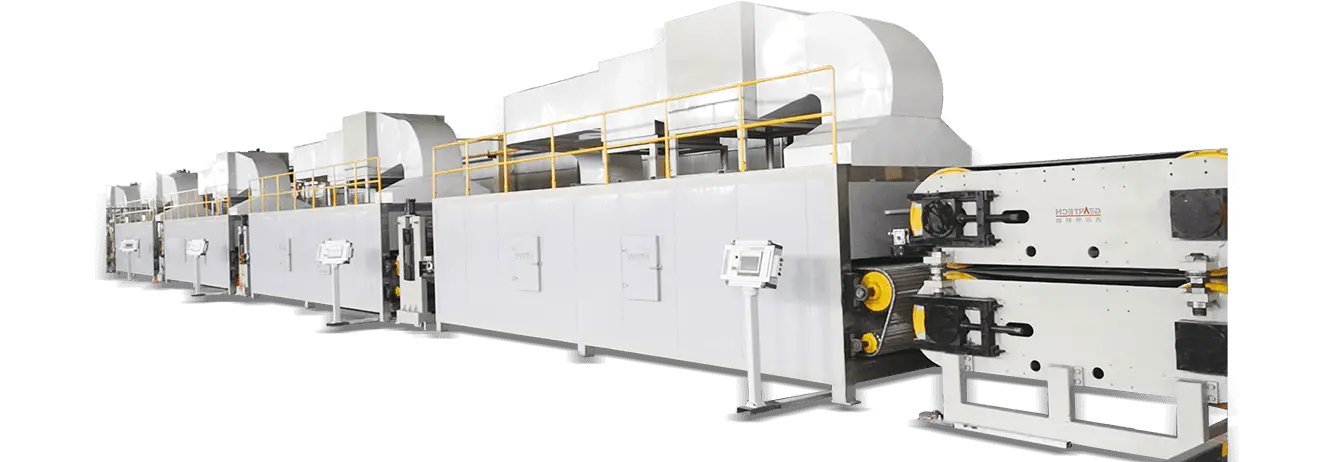
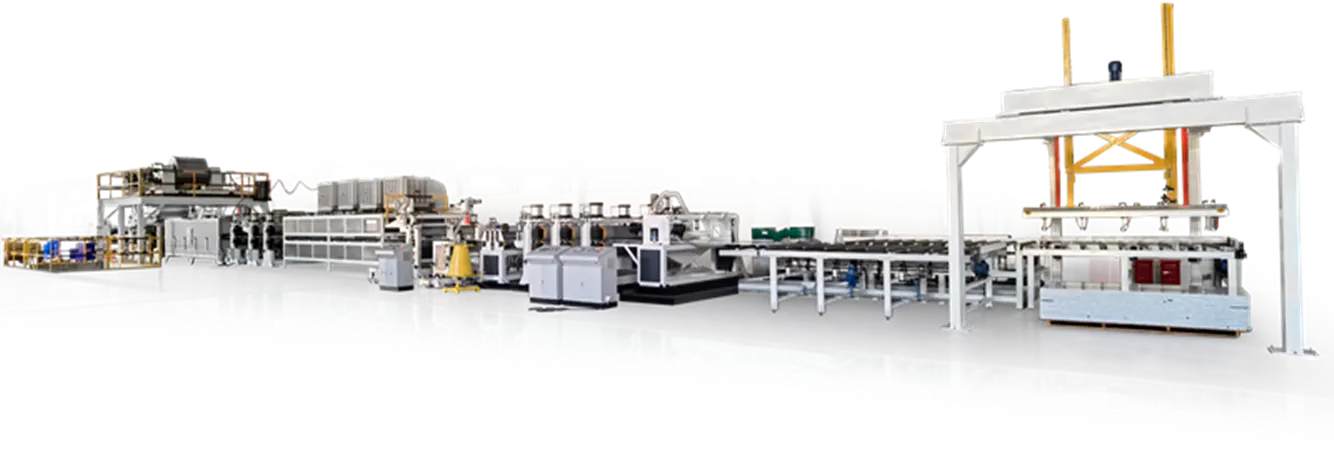
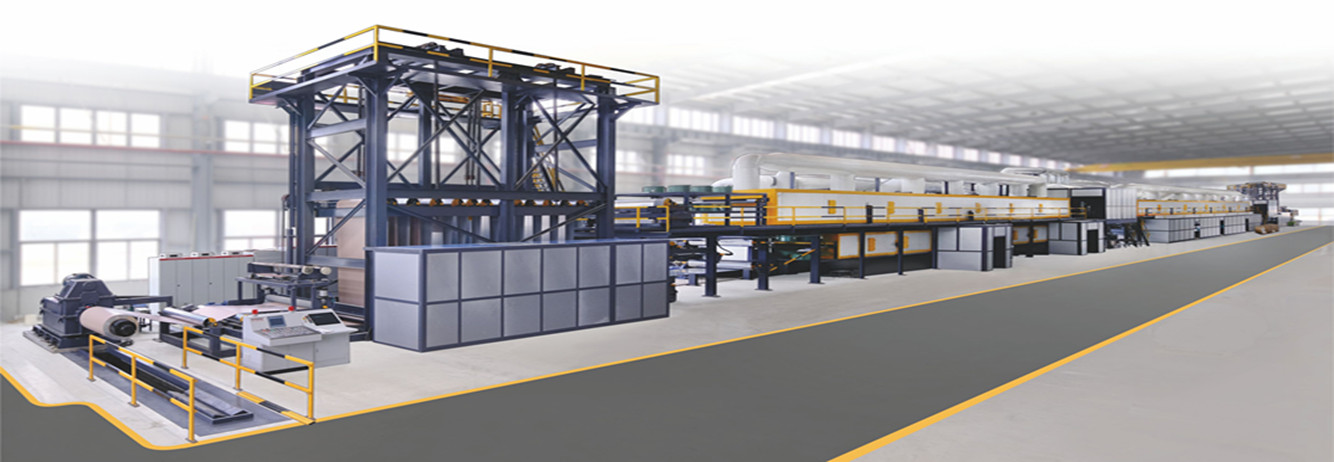
Projects that use Aluminum Coil go through many steps. These steps include choosing the material, processing it, delivering it, and using it on site. When these projects are linked to an Aluminum Composite Panel Factory, coordination is even more key. This is because aluminum coil is a main material. It directly affects how consistent the panels are, if the schedule is kept, and the final result. Success does not come from separate decisions. It comes from how well everyone involved aligns their expectations, technical details, and timelines.
Good coordination does not need complex plans or big promises. It needs clear communication, practical planning, and a shared understanding between buyers, processors, and factories. The steps below are practical. They help make project execution better and reduce problems that can be avoided.

Agree Early on What the Project Needs
Good coordination starts before any aluminum coil is bought. Buyers and factories must both understand how the material will be used. Aluminum coil for composite panels can be different. It depends on if the panels are for outside walls, inside decoration, signs, or vehicles.
Talking about the project needs early lets both sides agree on the alloy type, thickness, coating, and surface finish. When these details are discussed at the start, there is less need to change things later. This step also helps stop people from ordering materials that sound right but do not match the real project conditions. These conditions include the weather the panels will face or how they will be installed.
Early agreement cuts down on changes and helps move from buying to making things more smoothly.
Share Technical Papers Clearly and Regularly
Technical papers are very important for coordination. Drawings, specifications, tolerance needs, and standards should be shared in a clear way. Both sides must be able to review and confirm them. Descriptions that are not clear often cause guesses. These guesses only become clear after production has started.
For aluminum coil projects that make composite panels, the papers should show details about the coil. They should also show how these details affect the bonding and finishing of the panel. When papers are updated, the changes should be marked clearly.
Doing this helps track decisions. It also helps everyone work from the same information during the whole project.
Connect the Buying Team and the Making Team
Coordination gets better when the team buying materials talks often with the team making the products. Aluminum coils come in different batch sizes, delivery times, and packages. If the buying team works alone, problems can happen. Materials might arrive when the factory is not ready to use them.
Regular talk makes sure coil deliveries match the factory's capacity and production schedule. This coordination helps avoid a full storage area, worries about material getting old, or rushing work because materials arrived late.
When buying and making teams share their updated schedules, running the project becomes more predictable and easier.
Plan the Schedule for All Steps Together
Aluminum coil projects often have many steps that depend on each other. These steps can include coating, slitting, panel lamination, cutting, and packing. A delay at any step can slow down the steps that come after.
Good schedule coordination means setting realistic times for each step. It also means understanding which steps depend on others. This does not mean making the schedule very fast. It means setting goals that are possible, based on real capacity and logistics.
When buyers know how long each step really takes, they can plan their own installation or delivery work better. This causes fewer last-minute changes.
Another Step: Agree on Quality Checks Before Starting
Quality coordination improves when people decide on inspection rules early. Buyers might need specific checks. These checks could be for coating thickness, how the surface looks, or size accuracy. Factories need to know which checks are important for the buyer to accept the goods.
Talking about inspection points early helps both sides agree. It also reduces arguments about what is an acceptable mistake.
When inspection planning is coordinated, checking quality becomes a normal part of the work. It is not a step taken only when someone is worried.
Handling Special Orders and Changes
Special orders are common in aluminum coil projects. This is especially true when panels need special colors, finishes, or sizes. Coordination gets harder when changes are asked for after plans are approved.
Clear rules for handling change requests help keep the project stable. These rules should explain how changes are looked at, how they affect the schedule, and how any cost changes are shared.
When both sides follow a clear process for changes, adjustments can be made without stopping the whole project.
Planning for Shipping and Packing
People often forget about shipping in early planning. But shipping has a direct effect on the project. Aluminum coils and finished composite panels need good packing. This protects their surfaces during transport.
Coordination between the factory and buyer on packing standards, labels, and loading methods helps reduce damage. It also makes customs clearance and warehouse work easier.
Shipping schedules and tracking information should be shared. This lets buyers plan their receiving and inspection work better.


 中文简体
中文简体 English
 Português
 русский
 Español
 عربى
عربى