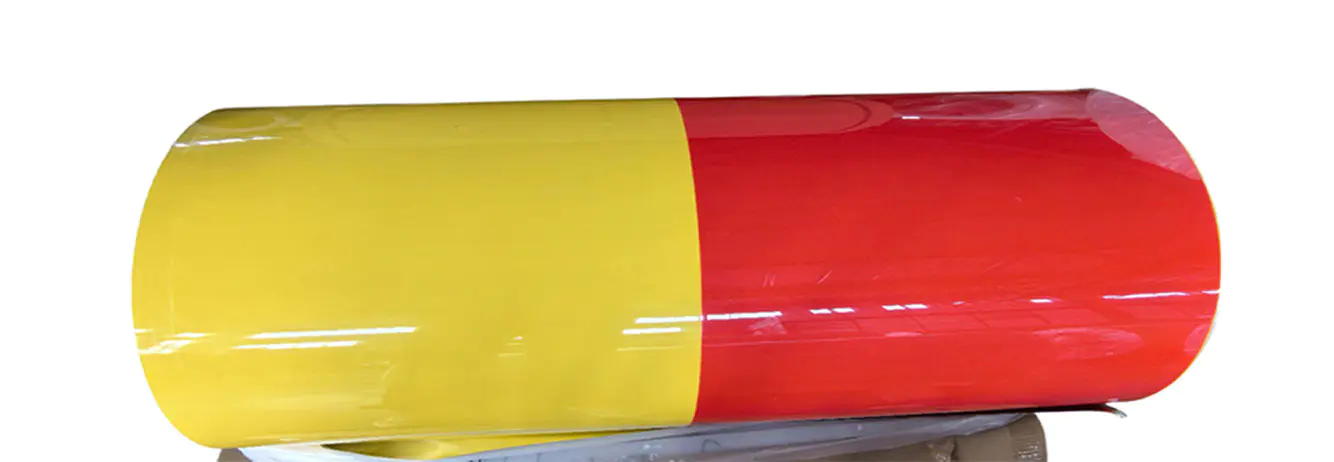
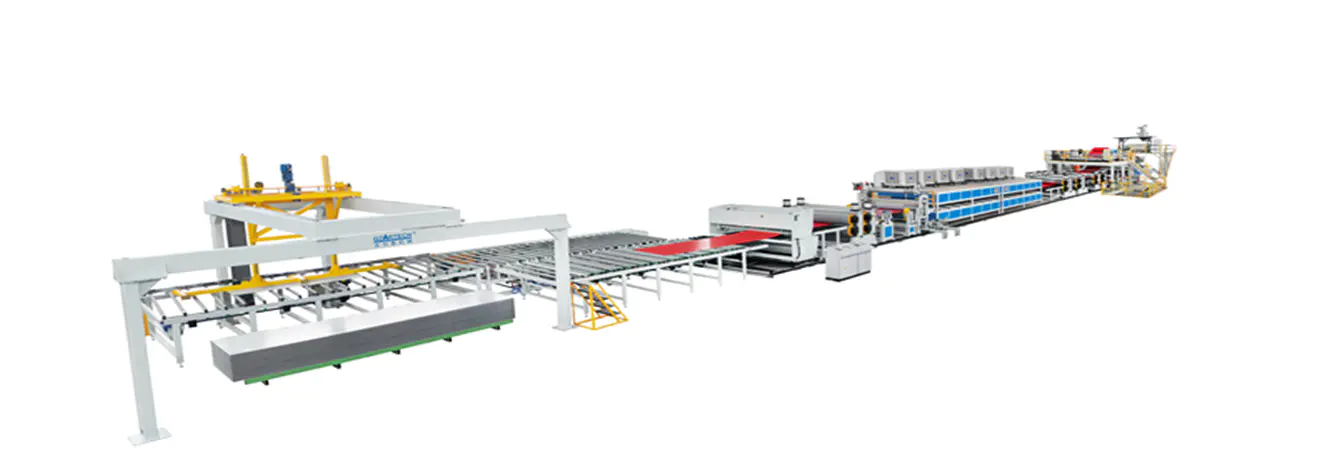
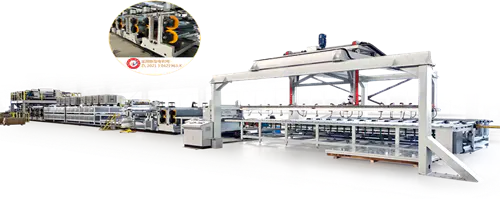
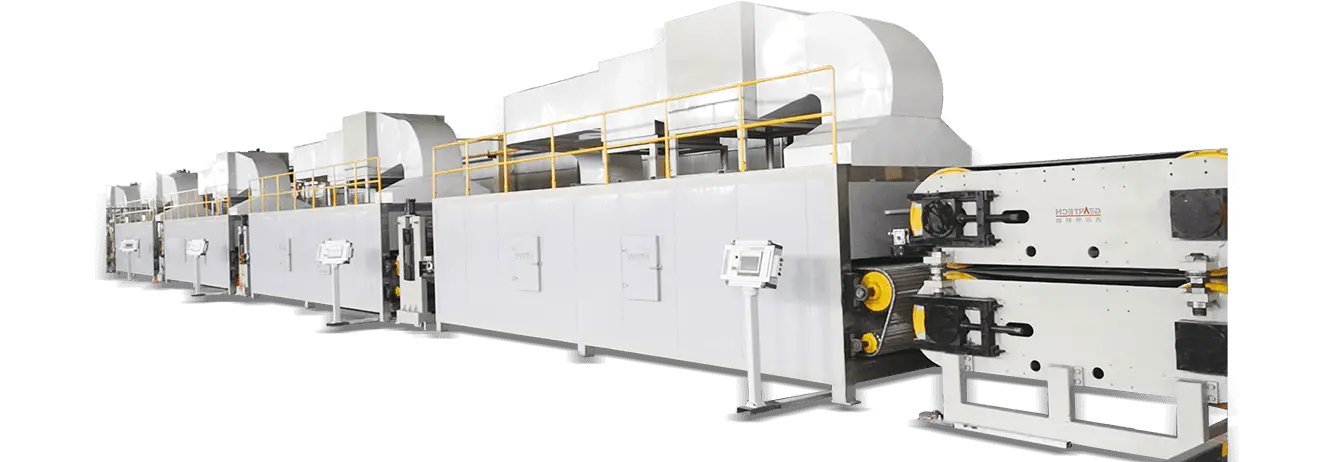
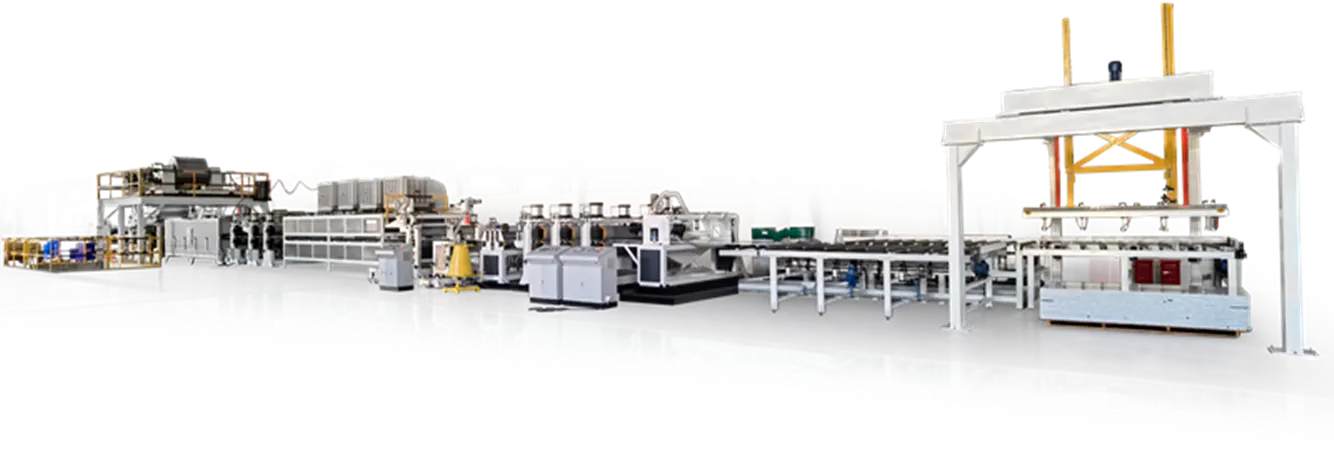
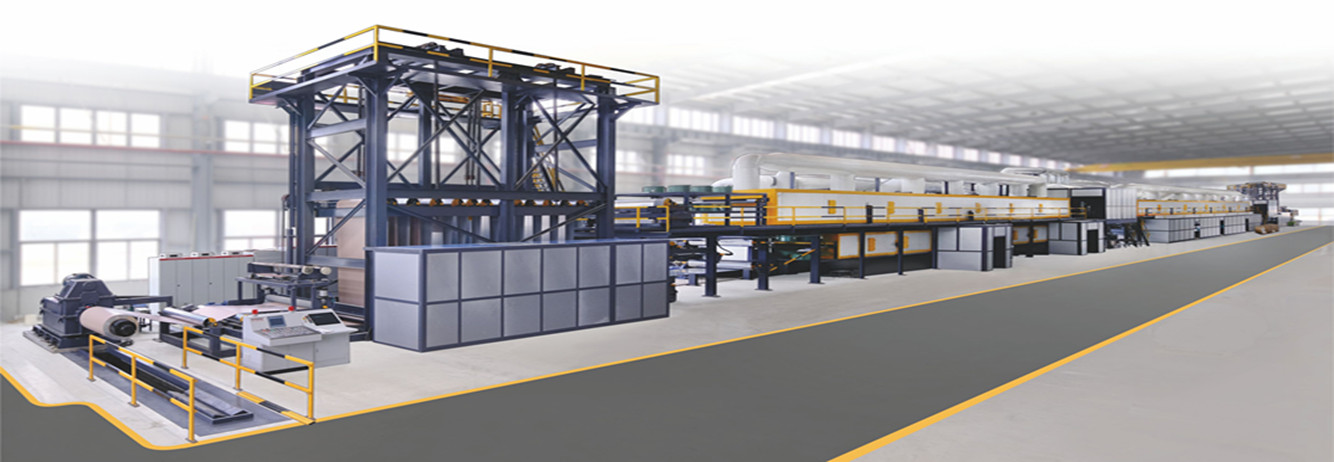
People often judge exterior wall systems by how they look years later. But their long-term performance starts much earlier. It begins with material choice. When Aluminum Coil is used as the outer layer and made in an Aluminum Composite Panel Factory, its traits decide how the panels handle weather, installation stress, and cleaning. Knowing this link helps buyers, designers, and builders choose based on project needs, not guesses.
Aluminum composite panels are built from many parts, not one material. Their top aluminum layers work with the coatings, the core inside, and the glue that holds it together. So, the coil chosen affects not just the look when the panels arrive, but also how they last under sun, rain, and wind over time.
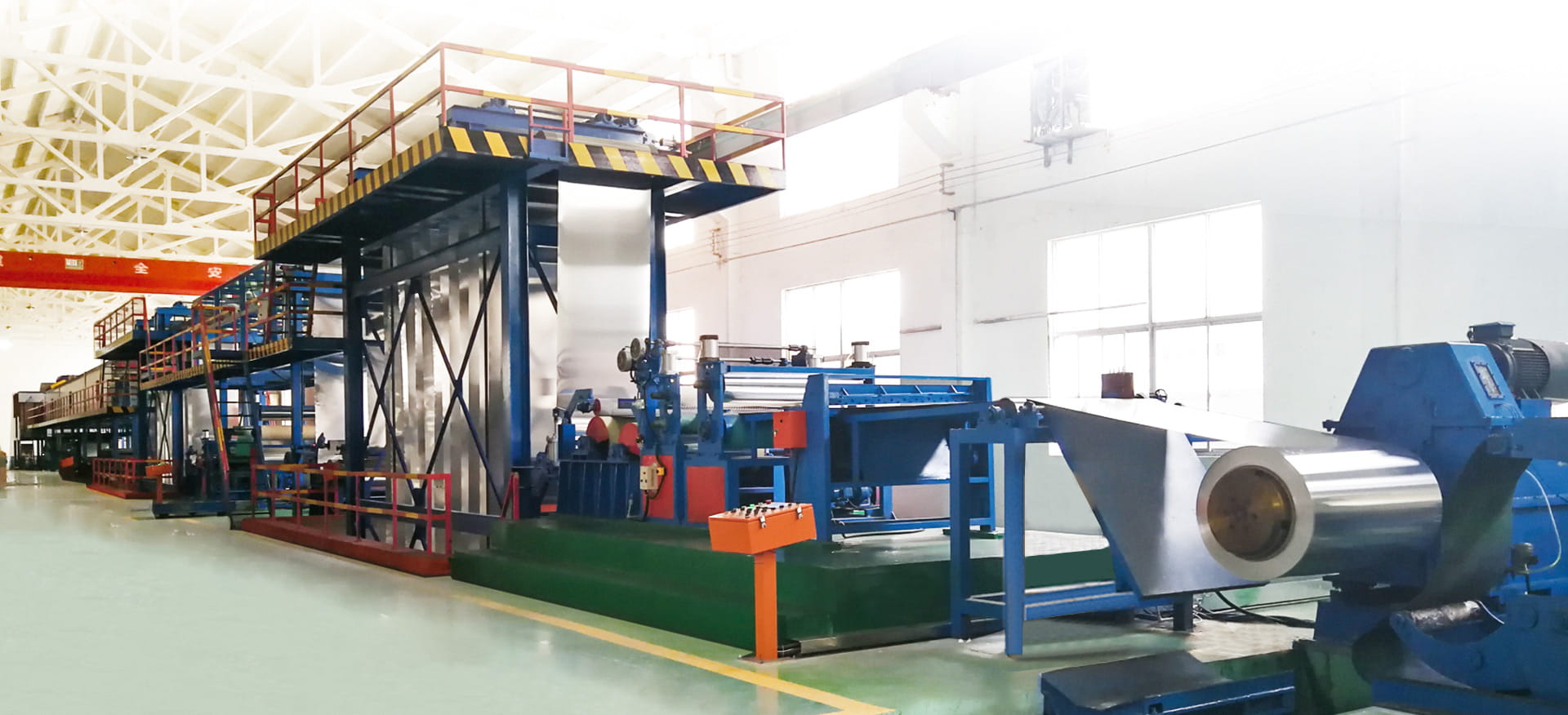
Alloy Type and Strength
The mix of metals in the aluminum coil sets its basic strength, bendability, and resistance to bending out of shape. For outside panels, this matters when they are made, shipped, and installed.
Some alloys bend and form more easily. This is good for designs with curves or folded edges. Other alloys are stiffer. This can be better for flat panels facing strong winds. Picking an alloy without thinking about the final panel shape can cause problems in making the panel or cause unexpected surface waviness.
When the coil alloy matches the panel design, the finished panel acts more predictably during making and installing. This lowers the chance of needing fixes on the job site.
Thickness and Panel Action
Aluminum coil thickness is another important choice. It changes how the panel performs. Thicker coils are usually stiffer. This helps panels stay flat over bigger areas. Thinner coils are lighter but can be more easily damaged during handling or by movement underneath.
For outside uses, choosing thickness should think about panel size, how it will be attached, and the weather it will face. Panels on tall buildings or open structures face different forces than panels in protected spots.
When thickness is picked for actual load conditions, not just general liking, panels fit their purpose better. Installation crews also know what to expect.
Surface Coating and Weather
The coating put on the aluminum coil is very important. It decides how the panel handles sunlight, water, and dirt in the air. The coating is the main shield between the aluminum and the environment.
Different coating systems keep color differently, have different hardness, and resist weather changes differently. Choosing a coil with a coating made for the local climate—like very wet areas or places with strong sun—helps panels age in a way you can predict.
Coating thickness and how evenly it is applied also matter. Uneven coatings can cause color or shine differences across the panel surface. This can become easier to see over time. Clear talk about coating needs between buyers and the factory helps the finished building look more even.
Flatness and Surface Look After Making
How a panel looks depends on its starting flatness and how well it stays flat during the factory process. Aluminum coils with uneven stress inside might look flat before but can change during gluing and cooling.
When coils are chosen with good stress control and consistency, the finished panels are more likely to keep a smooth surface. This is very important for large panels, where even a small wave can be seen from far away.
Knowing how coil traits work with the gluing process lets factories plan better. It also helps buyers avoid surprise appearance problems.
Heat Expansion and Movement
All outside materials grow and shrink with temperature changes. Aluminum does this too. The aluminum coil choice affects how much the panel surface moves when it gets hot or cold.
Coils with predictable expansion let designers plan better. They can design mounting methods and gaps between panels to allow for movement without causing stress. If heat movement is not thought about, panels might warp or the joints might not line up over time.
By picking coils right for the temperature range of the building's location, builders can plan panel layouts that stay steady through summer and winter.
Glue Hold Between Coil and Core
In aluminum composite panels, the bond between the aluminum skin and the core inside is very important. Coil surface preparation, coating type, and cleanliness all change how well the glue holds.
Coils that are correctly prepared for gluing help make stable panels. These panels stay strong during handling and for years after. Inconsistent coil surfaces can cause uneven glue bonds. This can cause local weaknesses that might only show up after installation.
Good coordination between coil suppliers and the panel factory makes sure surface treatments cause strong, reliable bonds.
Effect on Making and Installing
How aluminum coils act during cutting and shaping affects both factory work and on-site installation. Coils that cut cleanly and predictably lower the risk of surface scratches or size errors.
For installers, panels made from well-chosen coils are easier to handle and line up. This helps keep even gaps and a uniform look across the whole wall.
When coil choice considers how it will be cut and shaped, the whole job is simpler, from the factory to the building site.


 中文简体
中文简体 English
 Português
 русский
 Español
 عربى
عربى