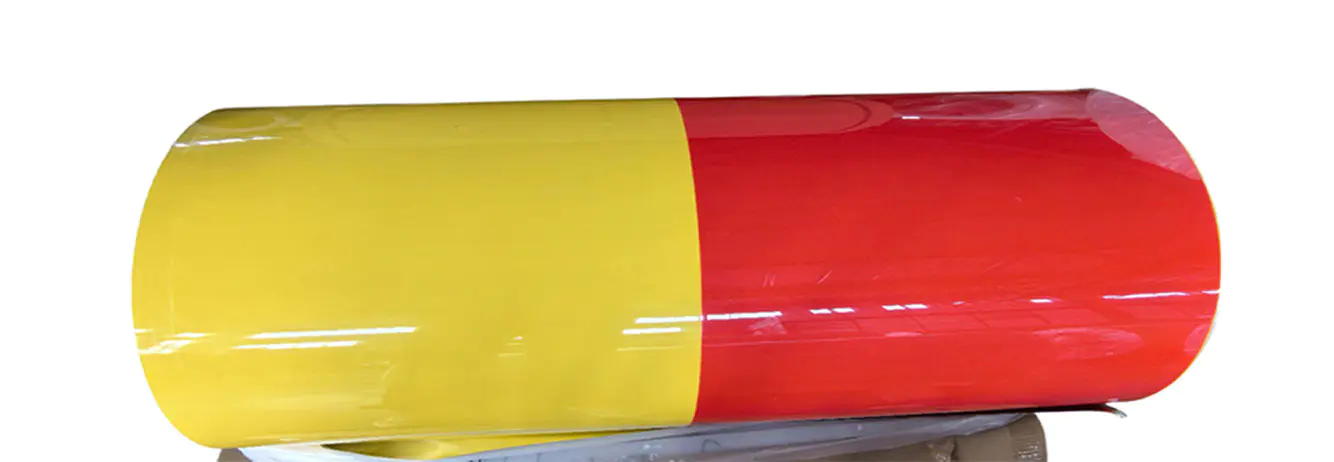
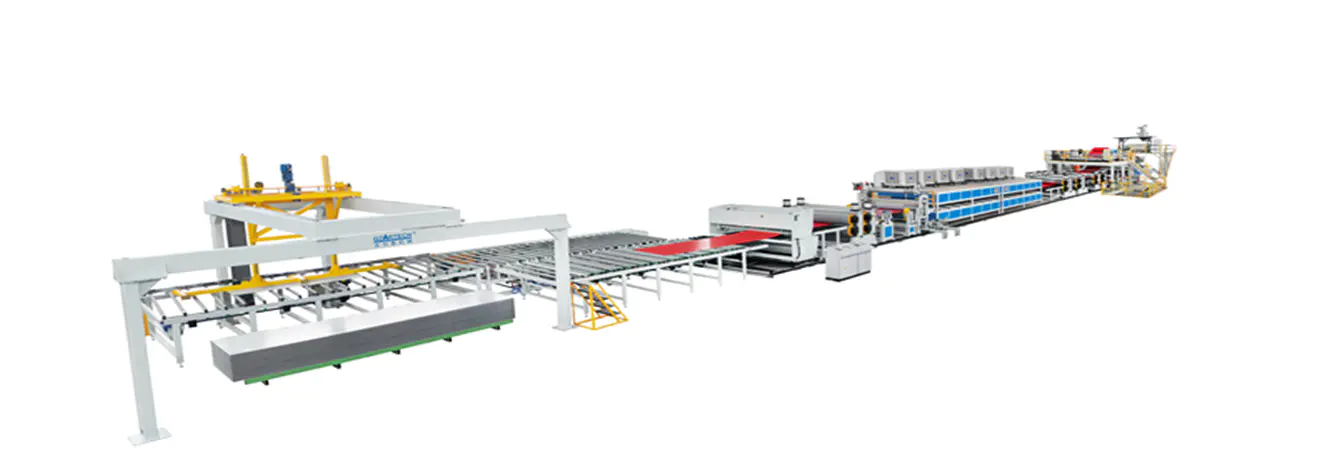
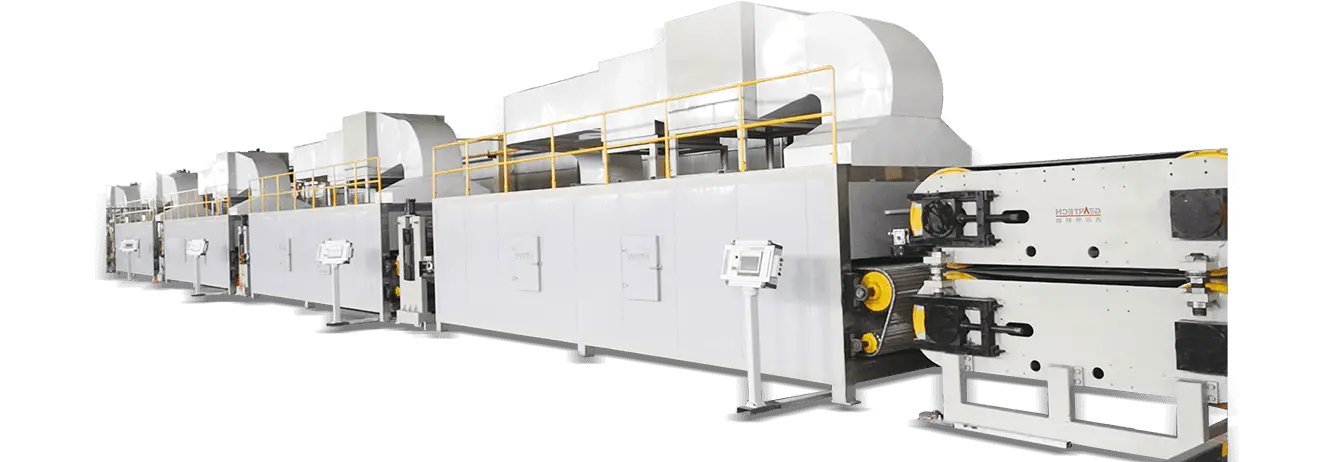
Energy-efficient building design often focuses on insulation systems, glazing choices, and ventilation strategies, yet the role of exterior and interior cladding materials is equally significant. When Aluminum Coil is processed within an Aluminum Composite Panel Factory, its specifications influence how building envelopes respond to heat transfer, solar exposure, and long-term environmental conditions. These factors affect not only energy consumption but also how consistently a building performs under changing climates.
Energy efficiency is not achieved through a single material feature. It results from coordinated design decisions where material properties support broader building performance goals. Understanding which aluminum coil specifications matter allows buyers, designers, and project managers to align material selection with realistic energy-related expectations.
Alloy Selection and Thermal Characteristics
Aluminum alloys differ in composition, which affects strength, formability, and thermal behavior. While aluminum is a good conductor of heat, alloy choice influences how panels interact with surrounding materials rather than acting as insulation on their own.
In energy-conscious buildings, aluminum coils are often used as part of layered systems that include insulation cores and air gaps. Selecting an alloy compatible with these assemblies helps ensure stable panel geometry and consistent attachment over time. When alloys respond predictably to temperature changes, joint alignment and panel spacing can be maintained, supporting the integrity of thermal barriers behind the panels.
Alloy selection should therefore consider how the coil behaves within a composite system, not as an isolated material.
Thickness and Its Relationship to Panel Stability
Aluminum coil thickness affects panel stiffness and resistance to deformation. From an energy efficiency perspective, stable panels help preserve the continuity of insulation layers and air barriers behind the cladding.
Panels that maintain flatness and alignment reduce unintended gaps that may compromise thermal performance. Thinner coils may be suitable for certain applications, but thickness selection should reflect panel size, fixing methods, and expected environmental loads.
When thickness is chosen with these factors in mind, aluminum composite panels can support building envelope consistency, which is a practical element of energy-conscious construction.
Surface Coatings and Solar Interaction
Surface coatings on aluminum coils influence how panels interact with solar radiation. Color, gloss level, and coating composition affect reflectivity and heat absorption, which can influence surface temperature under sunlight.
In energy-efficient buildings, exterior panel surfaces are often selected to complement the building’s thermal strategy. Lighter colors may reflect more sunlight, while darker finishes may absorb more heat. The appropriate choice depends on climate conditions and building orientation.
Coating durability is also relevant. Coatings that maintain their surface characteristics over time help ensure predictable behavior throughout the building’s service life. When coatings degrade unevenly, surface temperature behavior may change, affecting energy-related assumptions made during design.
Coating Thickness Consistency and Performance Stability
Beyond coating type, coating thickness consistency plays a role in surface behavior. Uniform coatings contribute to consistent appearance and stable surface interaction with environmental exposure.
Inconsistent coating thickness may cause variation in surface response to sunlight and moisture. Over time, these variations can affect localized surface temperatures and maintenance patterns.
Within an Aluminum Composite Panel Factory, clear specification of coating thickness ranges helps align production with building performance expectations. This coordination supports predictable outcomes rather than relying on generalized descriptions.
Flatness Tolerance and Envelope Integrity
Panel flatness is not only an aesthetic concern. From an energy perspective, flat and well-aligned panels help maintain continuous insulation systems and controlled air movement behind the façade.
Aluminum coil specifications that address internal stress and manufacturing consistency contribute to panel flatness after lamination. Panels that warp or bow can create uneven contact points, affecting how insulation layers perform and how air circulates behind the cladding.
By selecting coils with appropriate flatness tolerance expectations, project teams can support envelope integrity without overstating material capabilities.
Thermal Expansion Considerations in System Design
Aluminum expands and contracts with temperature changes. Coil specifications influence how this movement occurs and how it interacts with mounting systems.
Energy-efficient buildings often rely on carefully sealed envelopes. If panel movement is not accommodated properly, thermal bridges or air gaps may develop over time. Selecting coils with predictable expansion behavior allows designers to plan joints and fixings that accommodate movement without stressing adjacent materials.
This consideration supports long-term performance rather than short-term installation convenience.


 中文简体
中文简体 English
 Português
 русский
 Español
 عربى
عربى