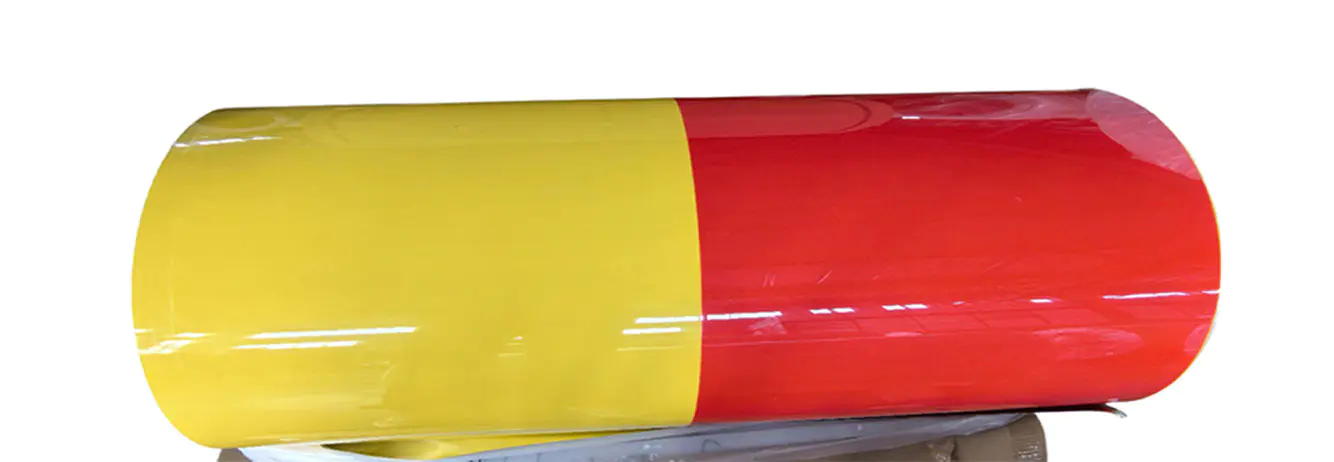
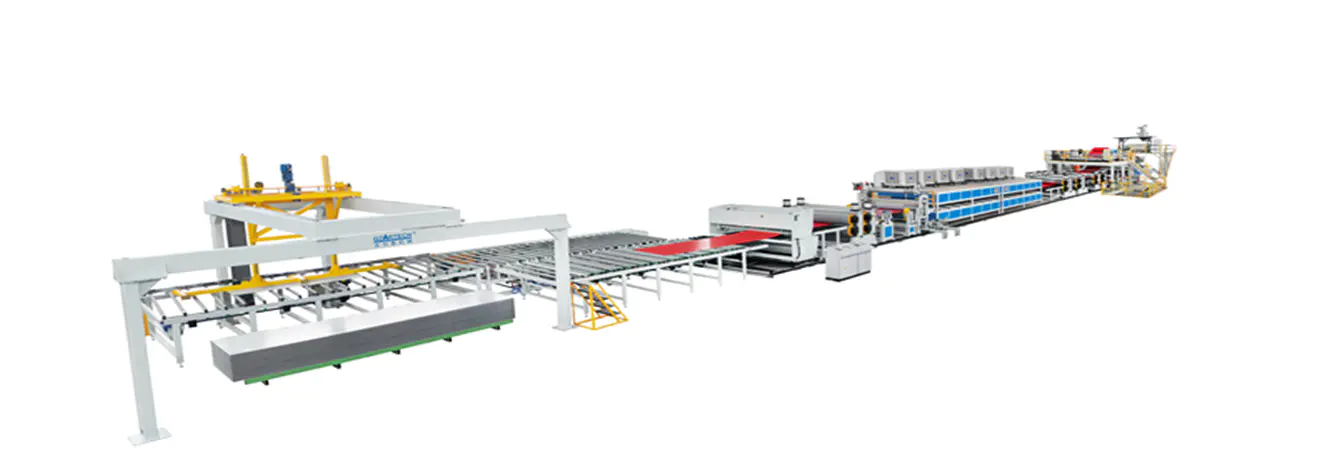
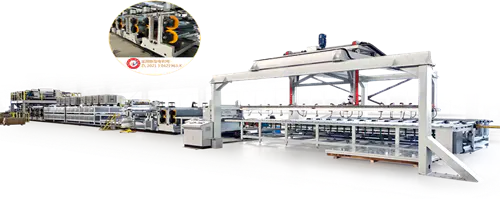
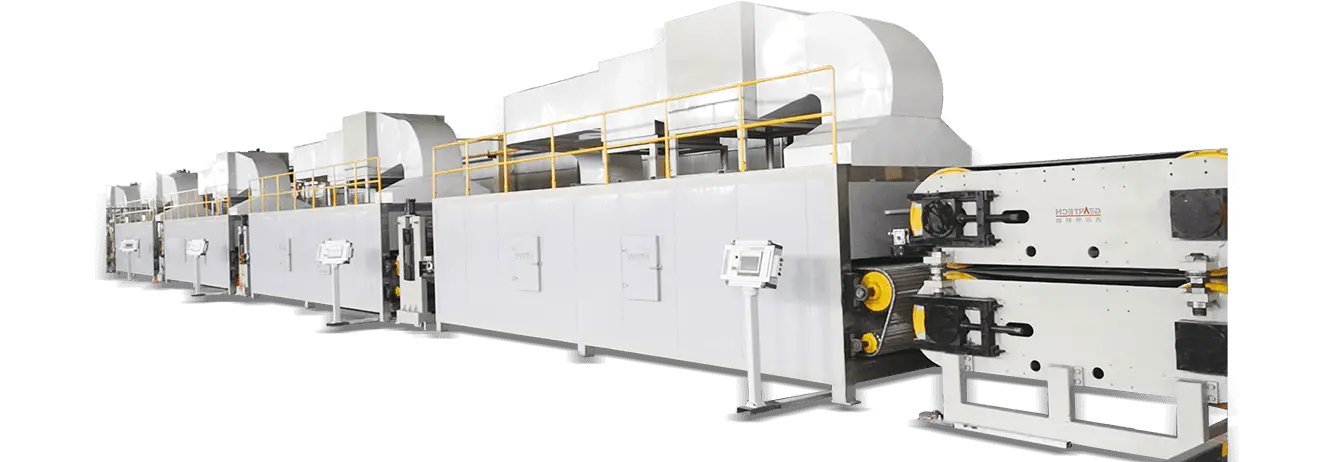
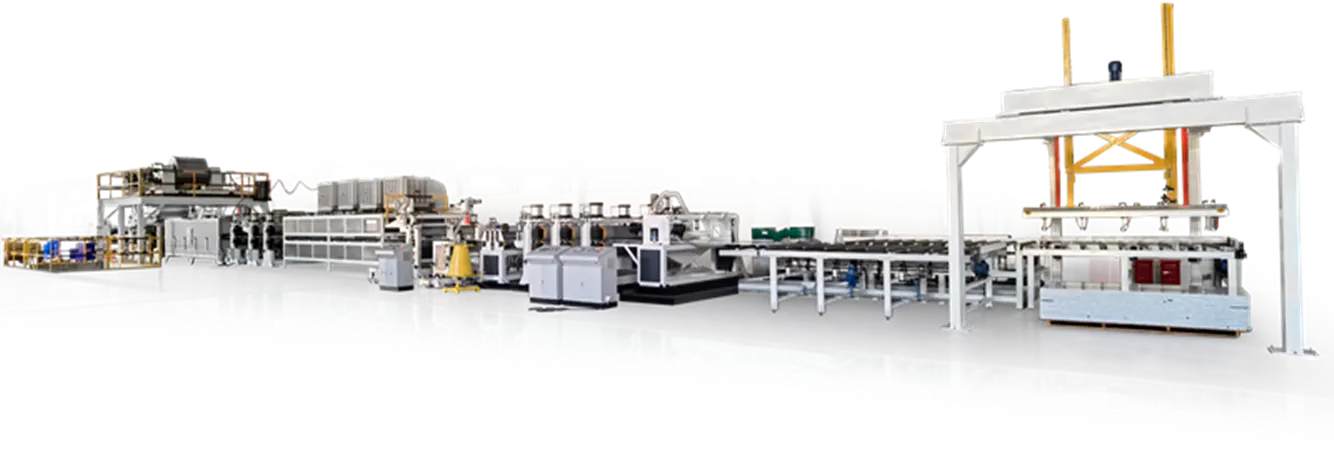
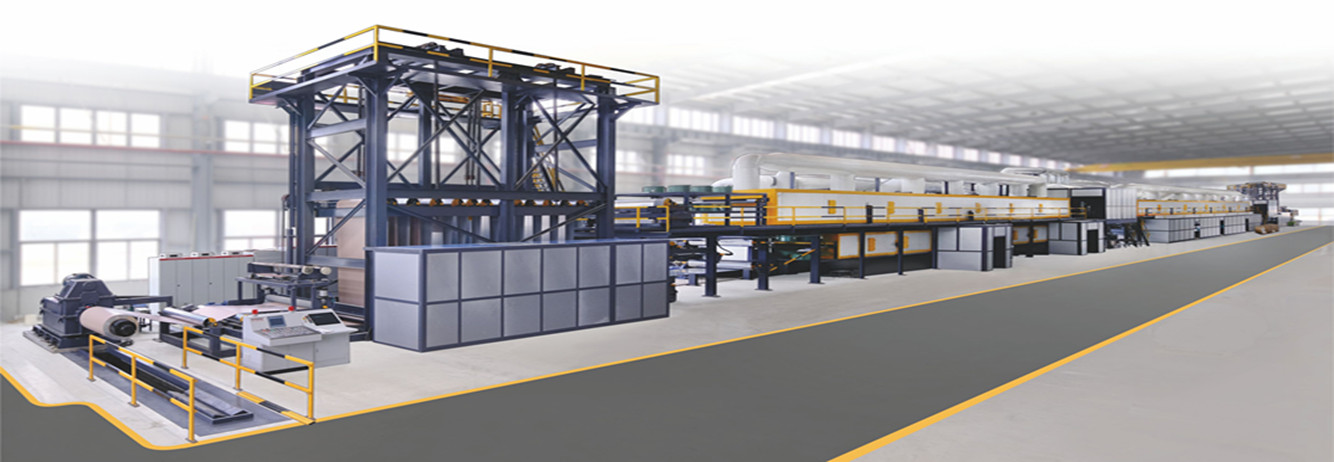
Maintaining stable and consistent performance of a Coil Coating Line is essential for efficient production of aluminum products. Operators using Aluminum Composite Panel Equipment often encounter challenges related to process control, surface quality, and material handling. Understanding the steps required to ensure smooth operation helps reduce downtime, improve output uniformity, and support overall workflow in a manufacturing environment.
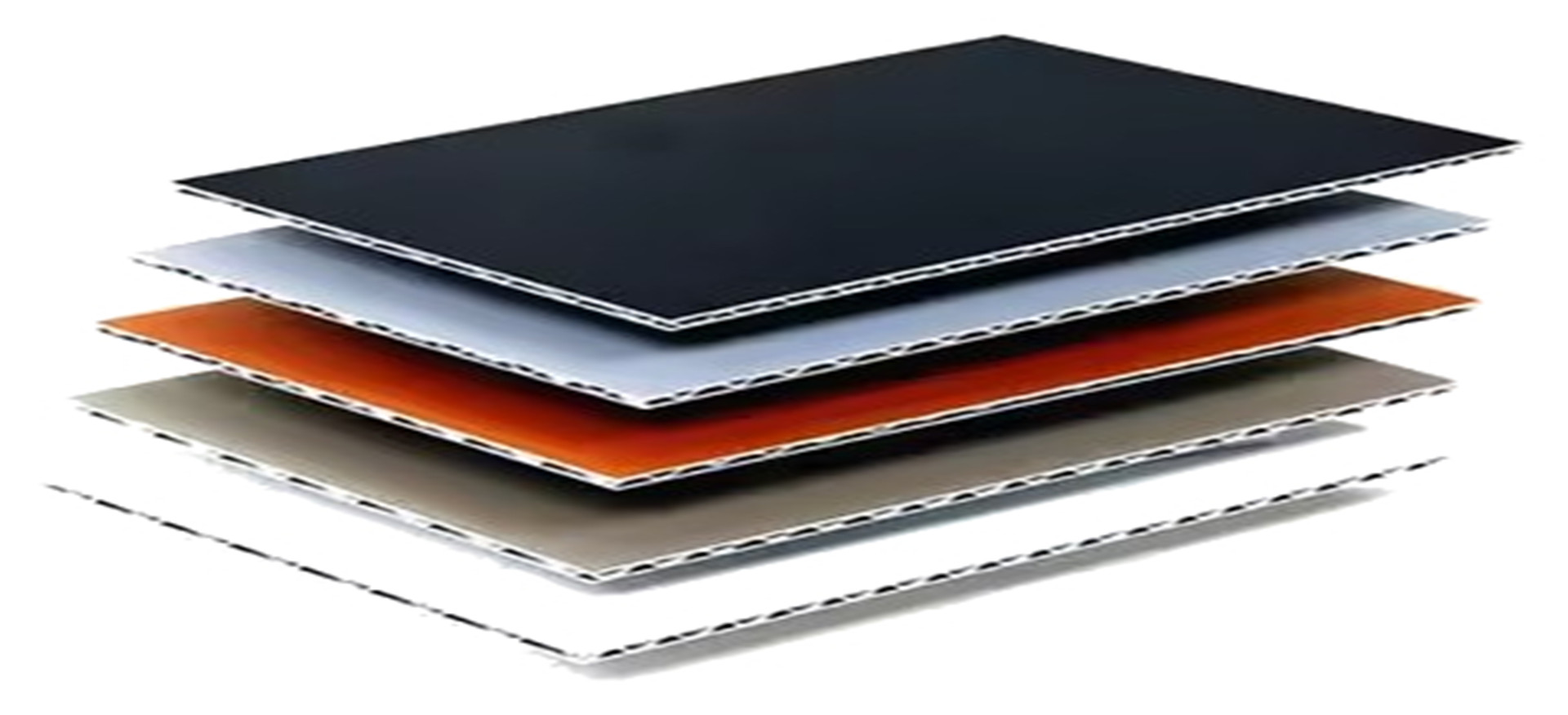
Preparing the Coil and Surface Treatment
A critical step in operating a coil coating line is proper preparation of the raw coil. Before entering the coating section, coils must be inspected for surface defects, including scratches, rust, or oil residues. Cleaning and chemical pretreatment of the aluminum surface ensures proper adhesion of the coating. Operators should follow recommended handling procedures to avoid damage during loading and unwinding.
Monitoring Coating Material and Application
Consistent application of coating materials is central to the performance of aluminum composite panel equipment. Operators must ensure that coating viscosity, temperature, and feed rate are within specified ranges. Regular checks of coating heads, rollers, and metering systems can prevent uneven application or runs. Keeping the coating environment free from contaminants also contributes to consistent surface finish.
Controlling Line Speed and Tension
The mechanical aspects of the coil coating line, including line speed and strip tension, directly affect coating uniformity and equipment operation. Operators should adjust tension settings according to coil thickness and material properties. Sudden variations in speed or tension can cause wrinkles, stretching, or misalignment.
Curing and Temperature Management
Proper curing of the coating is essential for achieving the desired surface characteristics. Temperature control in ovens and curing zones should be regularly monitored. Uneven heating can cause color variation, surface defects, or incomplete drying. Operators should check thermocouples and circulation systems, as well as maintain consistent airflow, to ensure uniform curing across the entire coil width.
Routine Maintenance and Inspection
Regular inspection and maintenance of aluminum composite panel equipment contribute to long-term operational stability. Bearings, rollers, and drive components should be lubricated and checked for wear. Electrical and control systems require periodic calibration to maintain consistent performance. A preventive maintenance schedule helps identify potential issues before they interrupt production.
Safety and Operational Training
Smooth operation also depends on proper training and adherence to safety protocols. Operators should understand the interaction between mechanical, chemical, and electrical components. Knowledge of emergency procedures and correct response to alarms ensures the line can be managed efficiently. Regular refresher training supports safe and uninterrupted operation.
Monitoring Output and Quality
Continuous monitoring of coated coils allows operators to detect deviations early. Visual inspection and automated measurement systems can identify variations in coating thickness, color, or surface texture. Early detection helps avoid material waste and ensures that the final aluminum panels meet production specifications. Operators should maintain clear records of process parameters to support consistent production practices.
Addressing Environmental Factors
External factors such as humidity, dust, and temperature in the production area can influence the coil coating line. Maintaining clean and stable environmental conditions reduces the likelihood of defects and improves material handling. Ventilation, air filtration, and humidity control should be considered part of standard operational practices for the line.
Coordinating Workflow and Communication
Efficient communication between sections of the coil coating line is essential for smooth operation. From material preparation to winding of the coated coil, operators must coordinate activities to prevent bottlenecks. Documentation of standard operating procedures, clear instructions, and regular team briefings help maintain an organized workflow and reduce the chance of errors.


 中文简体
中文简体 English
 Português
 русский
 Español
 عربى
عربى