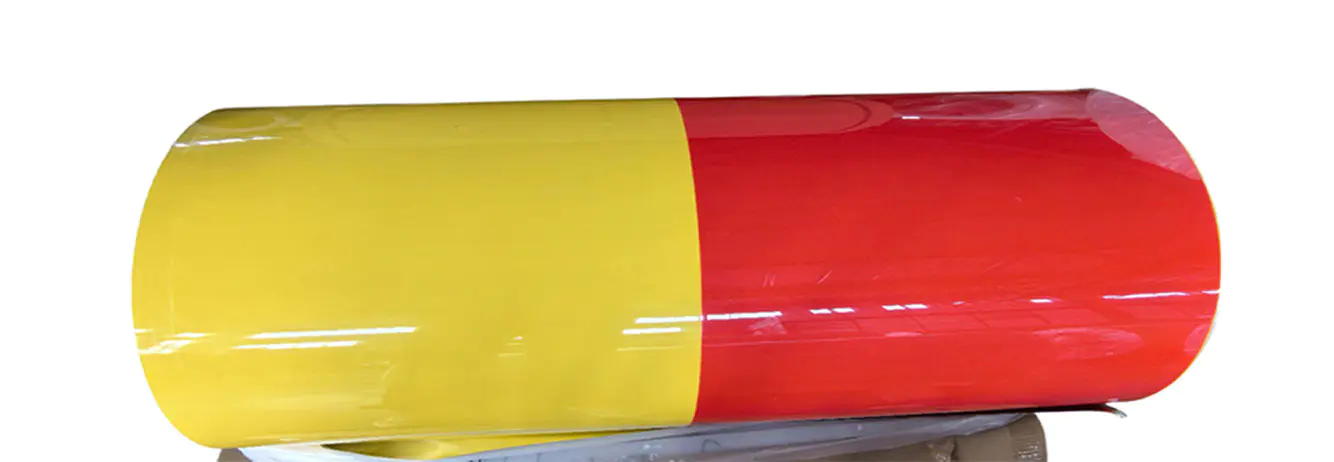
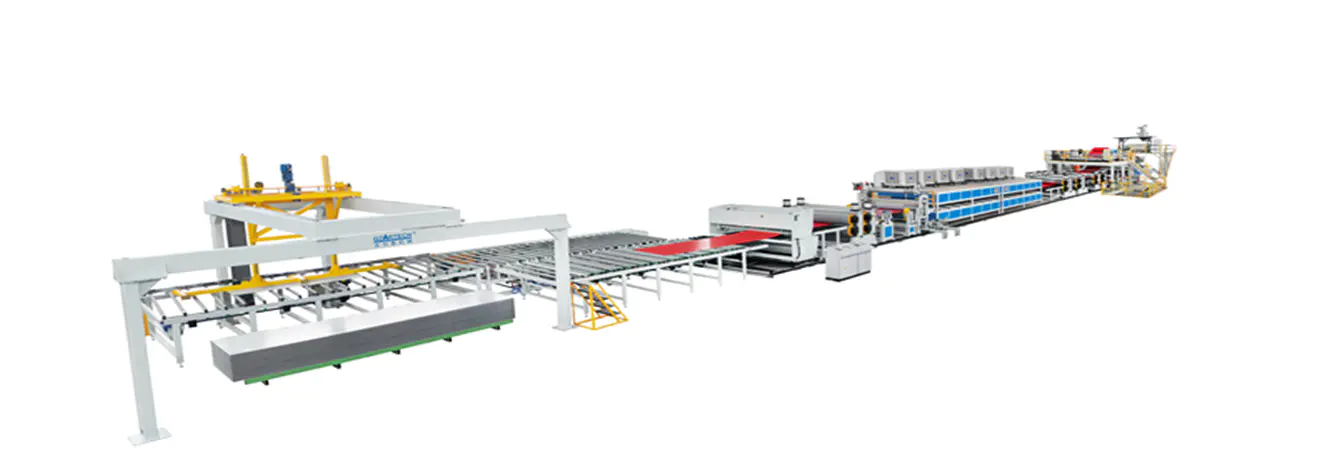
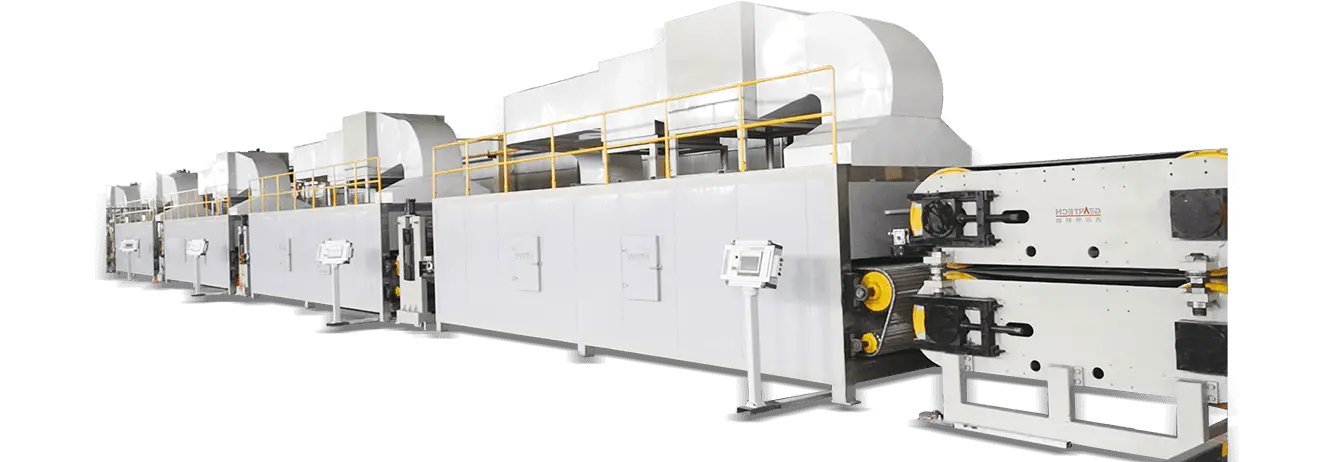
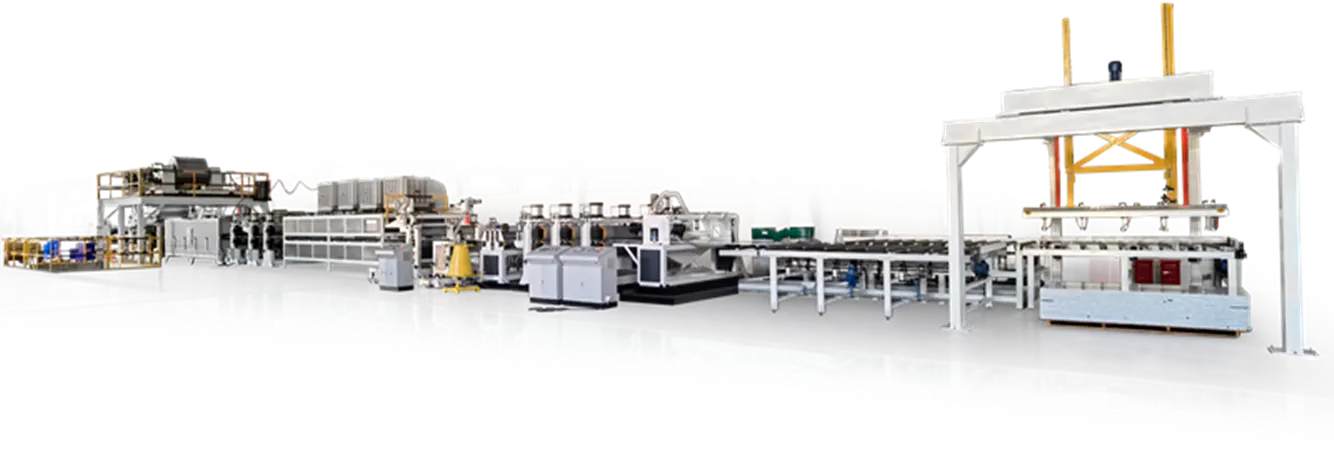
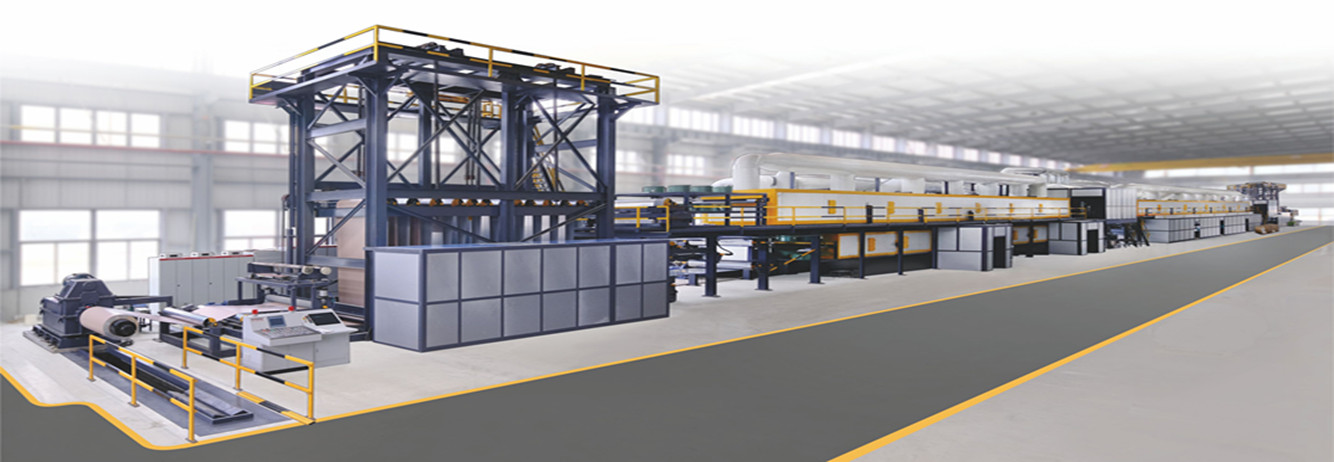
Material selection plays a central role in façade performance, maintenance planning, and construction efficiency. As building standards evolve, Aluminum Composite Panel systems manufactured from Color Coated Aluminum Coil are increasingly considered as alternatives to traditional cladding materials such as solid aluminum sheets, stone panels, ceramic tiles, fiber cement boards, and steel plates. The decision to replace conventional solutions is rarely based on appearance alone. It typically involves structural load considerations, installation conditions, long-term upkeep, fire regulations, and project budgets. Understanding when this transition makes sense requires a practical evaluation of real construction scenarios rather than relying on trend-driven choices.
When Structural Weight Becomes a Constraint
One of the clear situations where composite panels are considered is during renovation or façade retrofitting projects where structural load capacity is limited. Traditional stone cladding and solid concrete panels impose significant dead loads on building frames. In older buildings, especially those constructed decades ago, load-bearing margins may be restricted.
Aluminum composite structures are comparatively lightweight due to their layered construction. The aluminum skins provide surface rigidity while the core reduces overall mass. This lower weight can ease stress on existing walls and substructures, particularly in refurbishment projects where reinforcing the structure would increase cost and complexity.
Reduced panel weight also influences transportation and on-site handling. Lighter materials can be lifted with smaller equipment and require fewer personnel for installation. For mid-rise commercial buildings, shopping centers, or renovation of public facilities, weight reduction may simplify project logistics without altering façade geometry.
Projects Requiring Flexible Fabrication and Design Adjustments
Traditional cladding materials such as natural stone or thick ceramic panels are more difficult to modify once fabricated. Cutting, shaping, or curving these materials often requires specialized tools and additional labor. Aluminum composite panels offer greater adaptability during fabrication because they can be routed, folded, curved, or perforated using conventional metalworking equipment.
This flexibility becomes relevant in projects involving:
- Complex façade geometry with curved surfaces or angular transitions
- Integrated signage, decorative perforations, or customized patterns
- Rapid design revisions during construction
- Modular panel systems for commercial storefronts
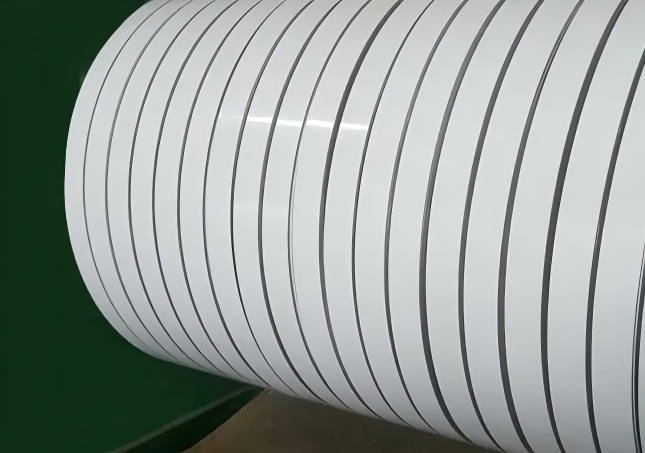
Color coated aluminum coil contributes to this adaptability by providing a pre-finished surface before fabrication. Since the coating is applied during coil processing under controlled conditions, panels can be formed without requiring post-painting. This reduces on-site finishing work and shortens construction schedules.
For architects working on retail centers, transportation hubs, or exhibition buildings, such fabrication flexibility can support creative façade concepts while keeping production processes straightforward.
Situations Where Construction Time Is a Priority
Project timelines often influence material choice. Traditional masonry or tile cladding requires multiple stages, including substrate preparation, adhesive curing, grouting, and surface finishing. Weather conditions may further delay installation.
Composite panel systems are typically installed using mechanical fastening onto metal subframes. This dry installation method reduces dependence on curing times and can proceed under a wider range of site conditions. Because panels are prefabricated to specified dimensions, installation teams can mount them directly after alignment and framing checks.
When construction deadlines are tight—such as commercial developments scheduled for seasonal openings—faster façade assembly may justify replacing heavier traditional materials. Shorter installation periods can also reduce site labor costs and limit exposure to weather-related risks.
Maintenance Considerations Over the Building Lifecycle
Maintenance planning is another practical factor. Stone façades may require periodic cleaning to remove staining, while steel cladding may demand repainting to address corrosion. Ceramic tiles can crack or detach over time if bonding conditions deteriorate.
The surface of aluminum composite panels, derived from color coated aluminum coil, is designed for exterior exposure. Coating systems such as polyester or fluorocarbon-based finishes provide resistance to ultraviolet radiation and environmental pollutants. Routine maintenance generally involves cleaning with mild detergents and water rather than repainting or sealing.
In commercial properties where façade appearance influences tenant perception, consistent surface color and limited maintenance interruptions can reduce long-term operational planning challenges. Property managers often evaluate lifecycle upkeep requirements when comparing cladding materials.
Evaluating Fire and Regulatory Requirements
Material replacement decisions must align with local building codes. Traditional materials such as stone are naturally non-combustible, while certain composite panels vary depending on core composition. Modern composite systems are available with fire-retardant or mineral cores that meet specified classifications.
The choice to replace traditional cladding may be appropriate when fire-rated composite panels meet regulatory requirements and offer other logistical advantages such as weight reduction or fabrication flexibility. However, this decision should be supported by documented test reports and assembly certifications.
It is also important to evaluate the entire façade system, including insulation layers and cavity barriers. Compliance is determined not only by panel material but by how the system performs as an integrated assembly. Consulting fire engineers during the specification stage helps avoid mismatches between design intent and regulatory standards.


 中文简体
中文简体 English
 Português
 русский
 Español
 عربى
عربى