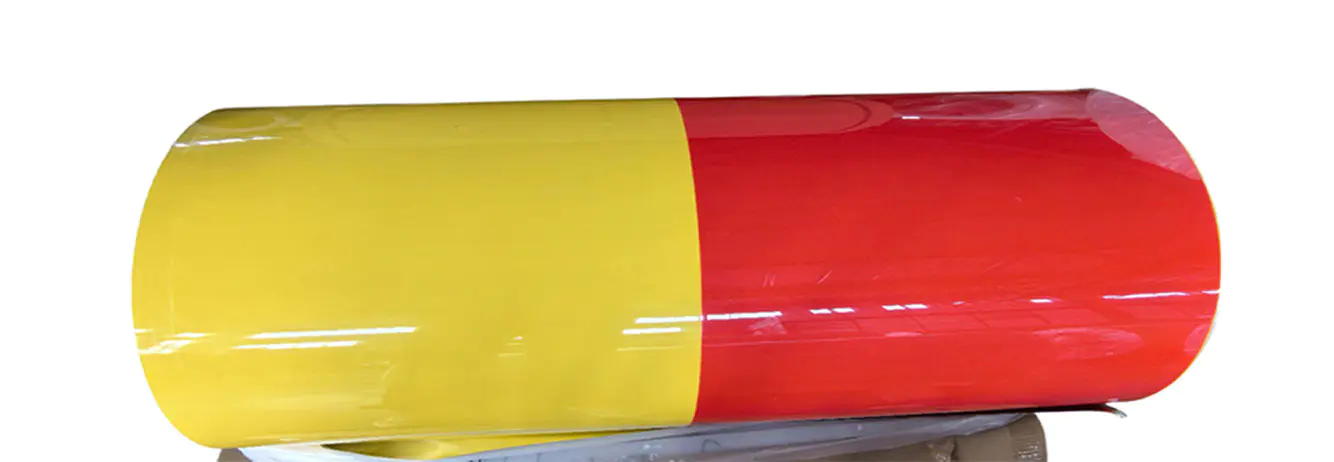
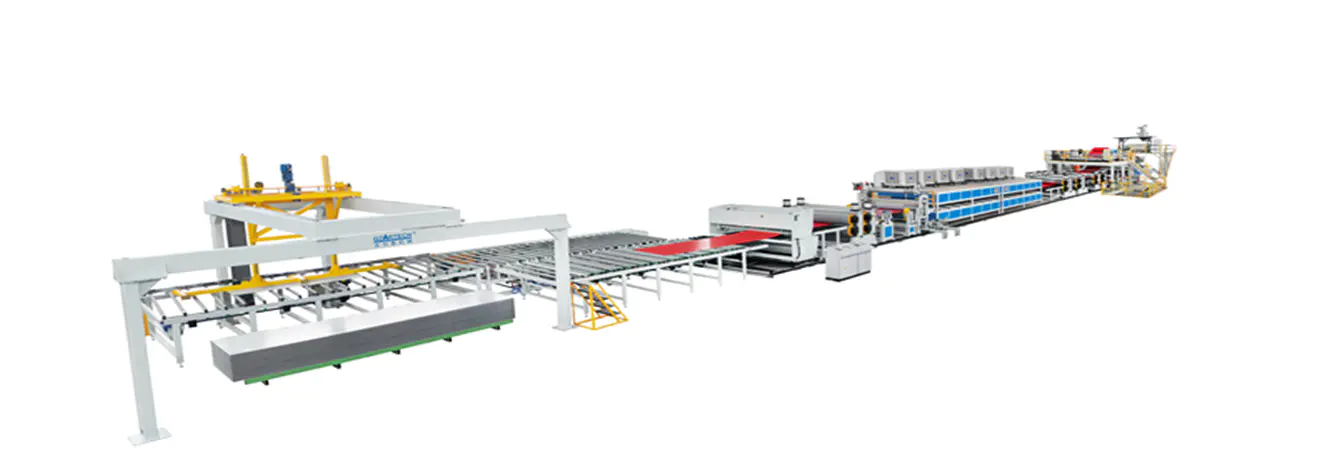
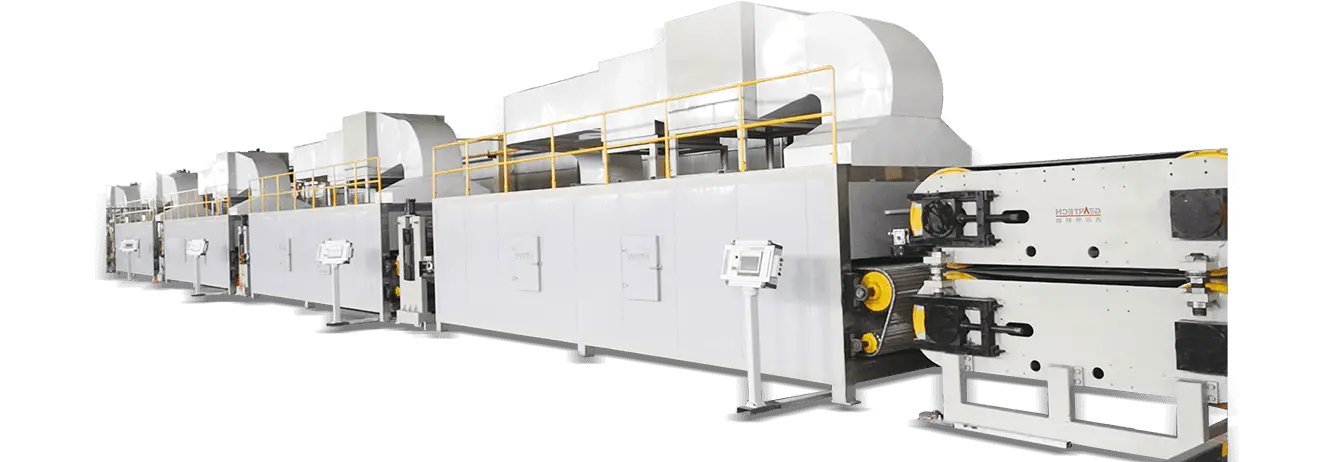
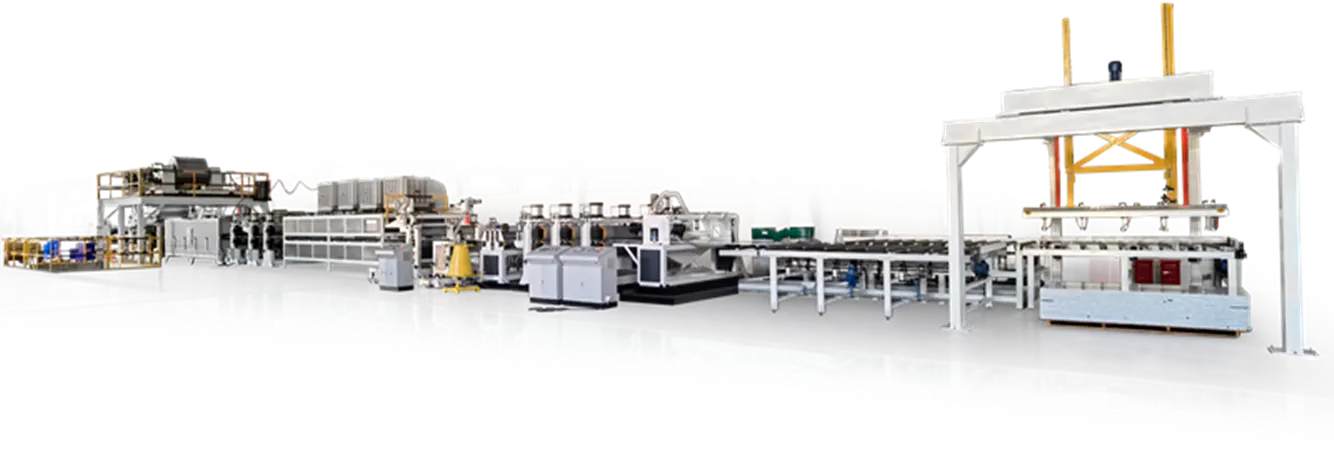
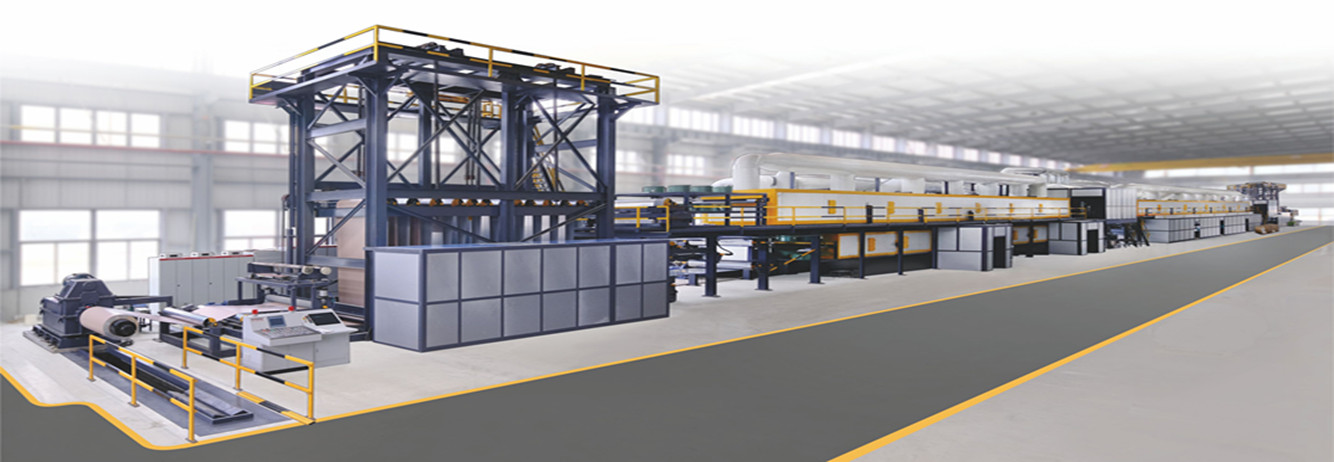
Modern façade engineering increasingly demands materials that balance appearance, structural stability, and compliance with fire regulations. In this context, Aluminum Composite Panel systems manufactured from high-quality Color Coated Aluminum Coil have become widely used in commercial, residential, and industrial construction. Beyond their visual flexibility and ease of fabrication, these materials are often selected for their structured approach to fire behavior control. Understanding how they contribute to fire performance requires looking closely at their composition, surface treatment, installation methods, and regulatory classification rather than assuming performance based solely on appearance.

Material Structure and Its Influence on Fire Behavior
An aluminum composite panel typically consists of two aluminum sheets bonded to a core material. The outer aluminum layers are produced from color coated aluminum coil, which undergoes controlled coating and curing processes before lamination. The core may vary depending on fire classification requirements, including polyethylene cores, fire-retardant mineral-filled cores, or non-combustible mineral cores.
Fire performance depends largely on the interaction between these layers. Aluminum itself does not burn; it melts at high temperatures. The coating system applied to the aluminum surface is formulated to maintain adhesion and surface integrity under heat exposure. When a mineral-filled or fire-retardant core is used, the panel resists flame spread by slowing down combustion within the core layer.
Instead of contributing fuel to a fire, properly specified panels can limit vertical and lateral flame spread when installed in accordance with building regulations. This structured composition allows designers to select panels that match the fire classification required for high-rise façades, transportation hubs, hospitals, or commercial complexes.
The Role of the Core: Why Selection Matters
Not all composite panels perform the same under fire exposure. The core material is the key factor in determining reaction-to-fire classification.
For projects requiring improved fire resistance, mineral-filled cores are commonly chosen. These cores contain non-combustible inorganic fillers that reduce heat release rates and slow flame propagation. In higher regulatory environments, fully mineral cores may be specified to meet stricter standards such as A2 or equivalent classifications under regional codes.
When reviewing panel specifications, practical considerations include:
- Fire classification test reports (such as EN 13501-1, ASTM E84, or local equivalents)
- Heat release rate data
- Smoke development indices
- Installation system testing, not only material testing
It is important for contractors and architects to verify that fire test data corresponds to the full façade assembly rather than only the raw panel material. Fire performance depends not only on the core but also on substructure, insulation, cavity barriers, and fastening methods.
Surface Coating and Fire Stability
Color coated aluminum coil is more than a decorative layer; its coating system contributes to performance consistency under thermal stress. During manufacturing, the coil coating process involves cleaning, chemical pretreatment, primer application, topcoat coating, and high-temperature curing. This controlled process ensures uniform coating thickness and adhesion.
Under fire exposure, stable coatings help maintain panel surface integrity before melting occurs. While aluminum will eventually soften and deform at elevated temperatures, properly cured coatings reduce premature delamination and surface cracking during early-stage heat exposure. This can slow the exposure of the core material.
Different coating systems, such as polyester (PE), PVDF, or other fluorocarbon-based finishes, may behave differently under heat. PVDF coatings are often specified for exterior façades due to their durability and resistance to environmental degradation, which indirectly supports long-term fire performance by preventing premature aging or cracking that could compromise panel structure.
Selecting a coating system that matches environmental exposure—coastal, industrial, high UV—helps preserve structural stability over time. Long-term material stability plays a role in ensuring that fire-rated panels maintain their classification throughout their service life.
Installation Method and Cavity Design
Fire performance is not determined by material alone. The façade assembly design significantly influences real-world behavior. Even panels with fire-retardant cores can underperform if cavity design allows uncontrolled airflow.
A properly engineered system typically includes cavity barriers or fire stops placed at floor slabs and around window openings. These elements prevent chimney effects that accelerate vertical flame spread. Mechanical fixing methods should allow panels to remain secured during thermal expansion without detaching prematurely.
Ventilated façade systems must be carefully designed to balance moisture control and fire safety. Air gaps are beneficial for drainage and thermal regulation, but without appropriate compartmentalization, they may contribute to flame propagation. Therefore, installation guidelines should always align with tested system configurations.


 中文简体
中文简体 English
 Português
 русский
 Español
 عربى
عربى