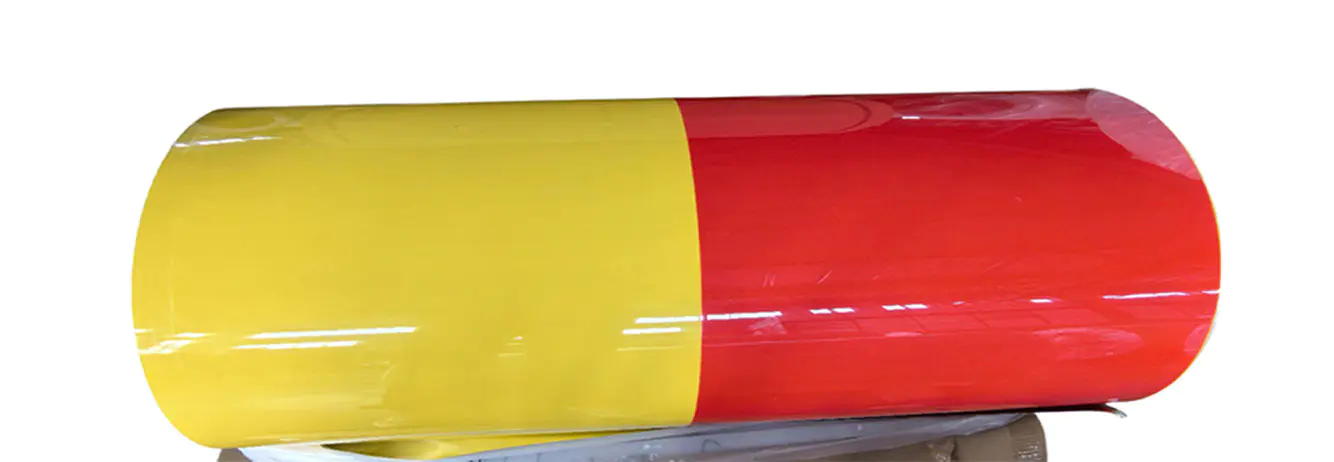
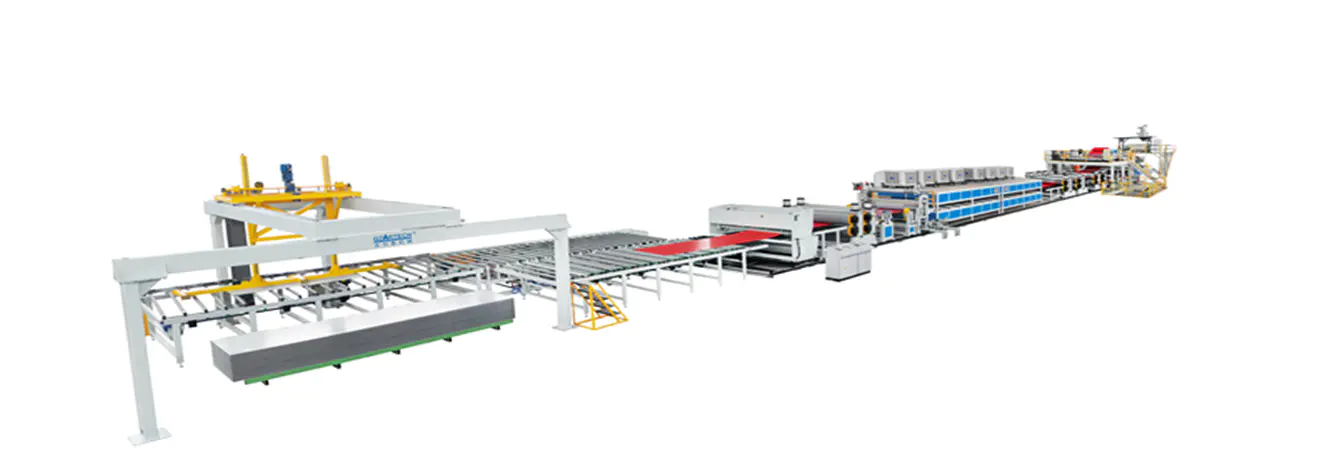
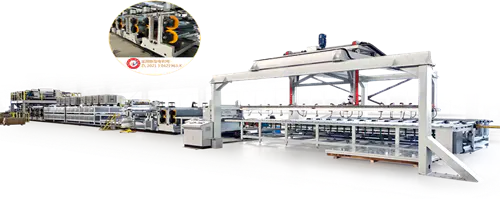
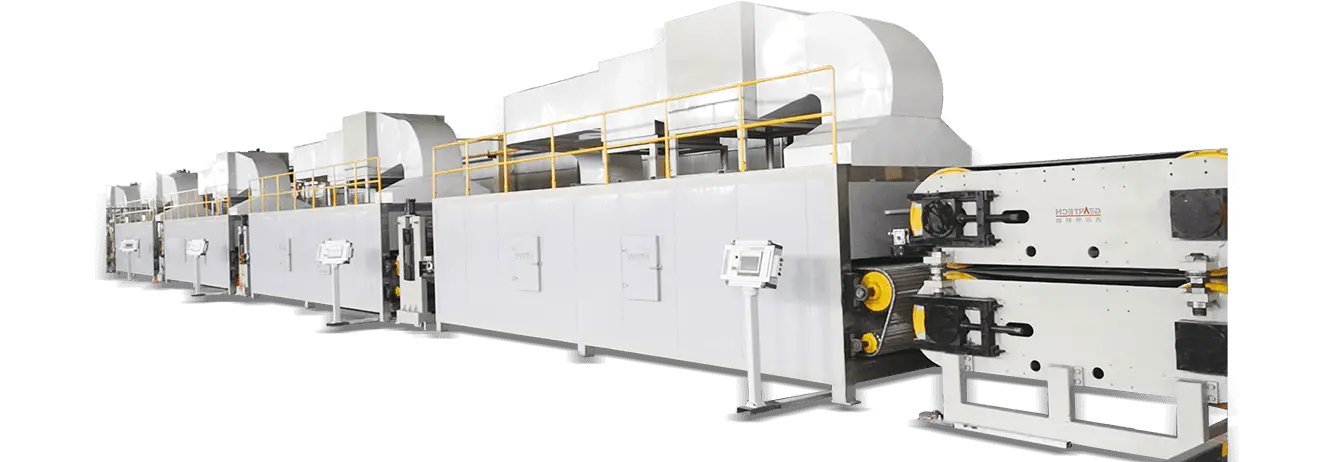
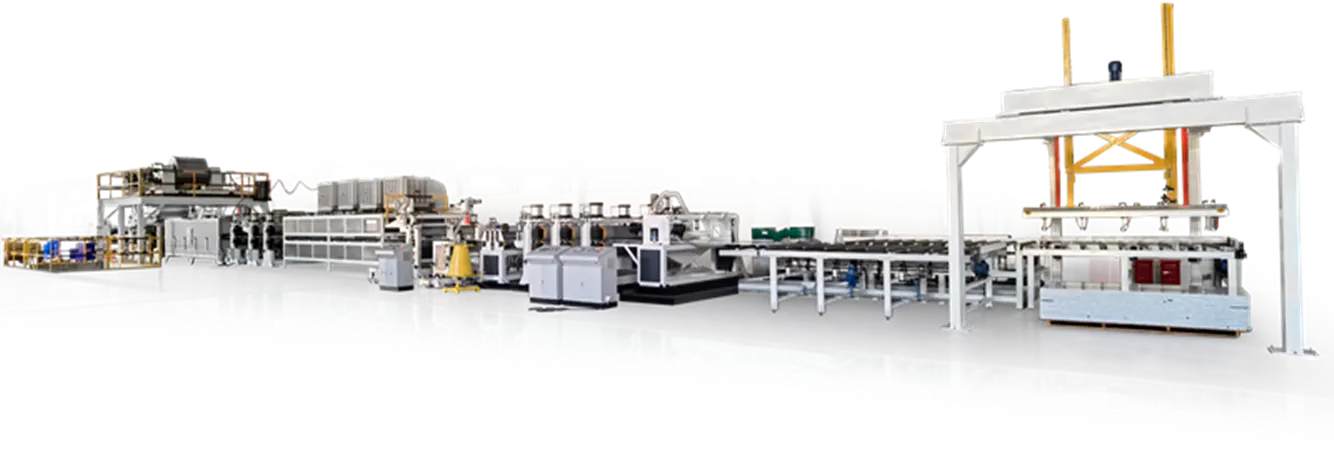
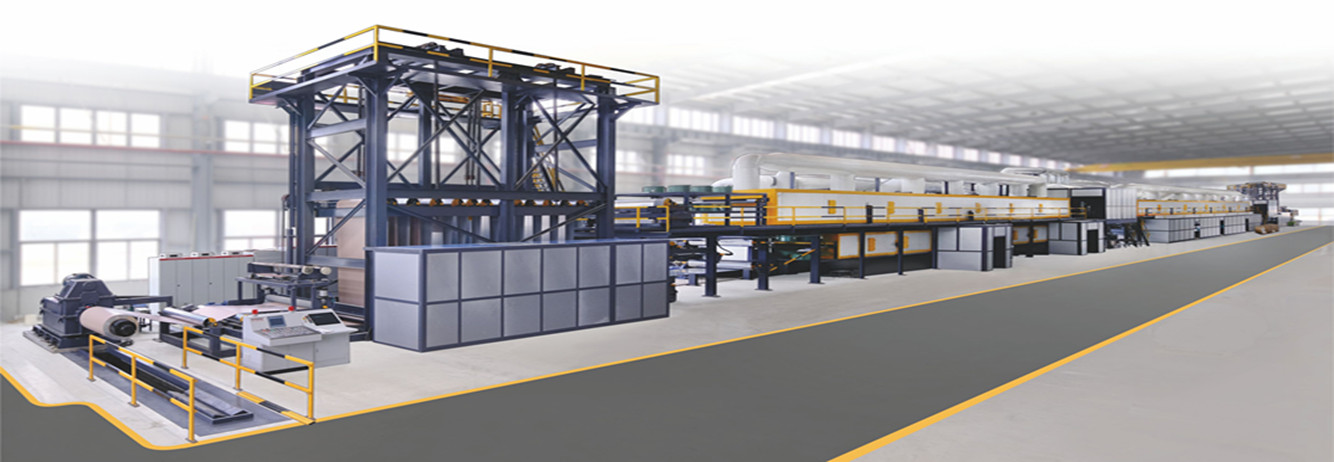
Achieving smooth operation on a coil coating line depends on careful management of both equipment and process steps. Operators working with aluminum composite panel equipment need to focus on workflow organization, material handling, and routine maintenance to maintain steady production. Understanding practical approaches helps maintain consistent output while reducing interruptions and mechanical stress.
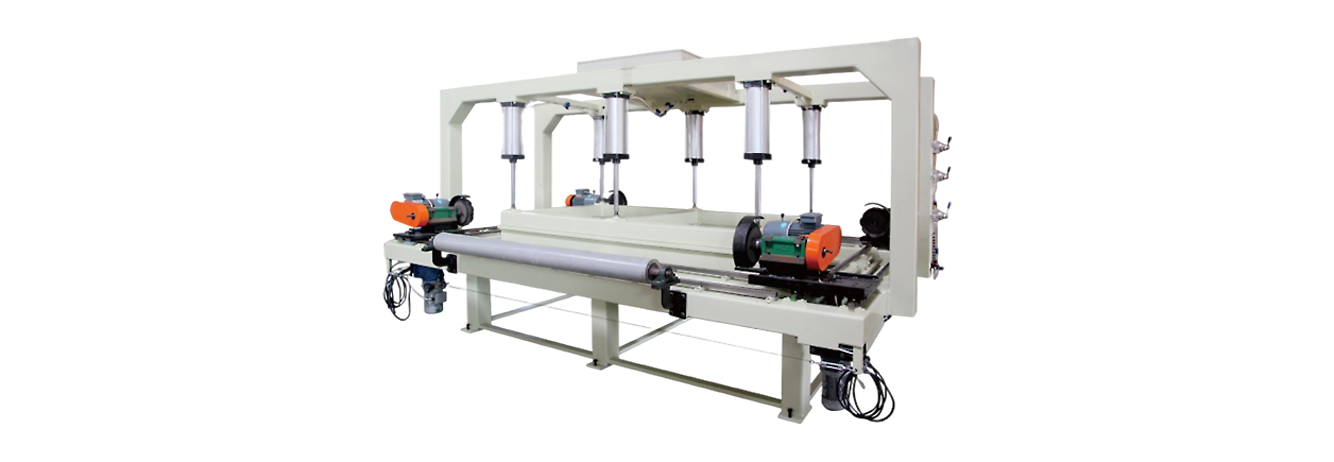
Organizing Material Preparation
The workflow begins with proper preparation of raw aluminum coils. Operators should check for surface defects such as scratches, dirt, or oil residue and remove contaminants before processing. Correct loading and alignment of coils reduce the risk of damage to the equipment. A structured approach to material handling ensures that each coil enters the line under controlled conditions, supporting consistent coating application and reducing potential equipment strain.
Coordinating Line Speed and Tension
Mechanical settings such as line speed and strip tension have a direct impact on workflow stability. Operators should adjust these parameters according to coil thickness and material properties. Sudden changes in tension or speed can create stress on rollers, motors, and coating heads, potentially causing surface defects. Careful coordination helps maintain steady operation across the coil coating line and allows for smoother processing of aluminum panels.
Managing Coating Application
Consistent application of coating material contributes to even surface quality and stable workflow. Operators should monitor coating viscosity, feed rates, and temperature, while keeping coating heads and rollers clean. Gradual adjustments prevent uneven coating layers and reduce mechanical disturbances. Maintaining steady coating conditions supports uniform output and allows the aluminum composite panel equipment to operate under stable conditions.
Monitoring Curing Conditions
Temperature control in ovens and curing zones is an important factor for maintaining workflow consistency. Operators should observe oven temperature, airflow, and thermocouple readings regularly. Uneven heating can affect surface properties and slow down production if corrections are required. Ensuring consistent curing conditions across the coil width helps maintain a continuous and predictable process.
Routine Equipment Maintenance
Routine inspection and maintenance of aluminum composite panel equipment supports smooth workflow. Bearings, rollers, drive components, and electrical systems should be checked periodically. Calibration of sensors and control units ensures accurate operation. Preventive maintenance reduces the likelihood of unexpected stops and helps keep the coil coating line running consistently.
Environmental and Workspace Management
External factors such as dust, humidity, and temperature can influence workflow efficiency. Operators should maintain clean working areas and monitor environmental conditions. Stable conditions help prevent material deformation or contamination that could interrupt the line. Proper ventilation and filtration contribute to a safer and more predictable production environment.
Operator Training and Standard Procedures
Well-trained operators are key to efficient workflow management. Training on start-up procedures, process control, and emergency responses ensures that machinery is handled consistently. Standard operating procedures for each stage of the coil coating line support coordination and reduce variability. Clear documentation helps operators follow a structured workflow, which can prevent delays or equipment strain.
Monitoring Production and Quality
Observing output and quality throughout the line allows operators to adjust processes as needed. Visual inspection or automated measurement systems can detect variations in coating thickness, surface texture, or alignment. Tracking production data helps identify trends and informs adjustments to maintain consistent workflow. Early identification of potential issues reduces interruptions and supports steady operation of aluminum composite panel equipment.
Coordinating Line Sections
Smooth communication and coordination between unwinding, coating, curing, and winding sections improve workflow efficiency. Operators should share information on material changes, line speed, or tension adjustments to maintain synchronization. A coordinated approach ensures that each section of the coil coating line operates in alignment with the others, reducing mechanical stress and maintaining consistent output.


 中文简体
中文简体 English
 Português
 русский
 Español
 عربى
عربى