Exterior façades are constantly exposed to dust, moisture, sunlight, and airborne pollutants, all of which gradually affect surface appearance. Buildings finished with Aluminum Composite Panel systems manufactured from Color Coated Aluminum Coil are designed for outdoor durability, yet proper maintenance remains essential to preserve structural integrity and visual consistency over time. Maintenance is not complicated, but it requires an understanding of surface coatings, cleaning methods, environmental conditions, and inspection routines. Addressing these aspects systematically helps building owners and facility managers avoid preventable surface damage and unnecessary replacement costs.
Understanding the Surface Structure Before Cleaning
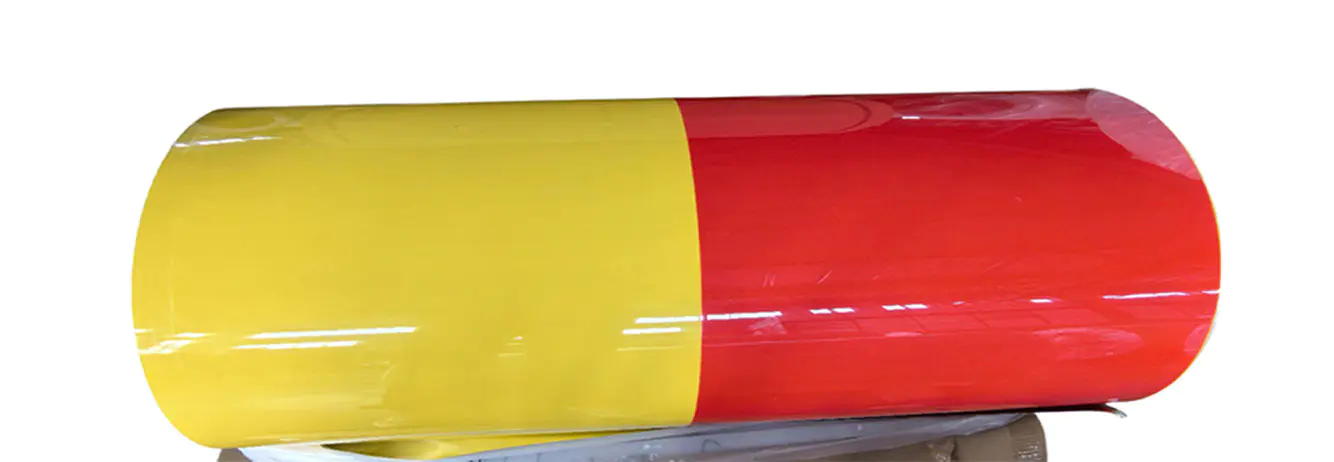
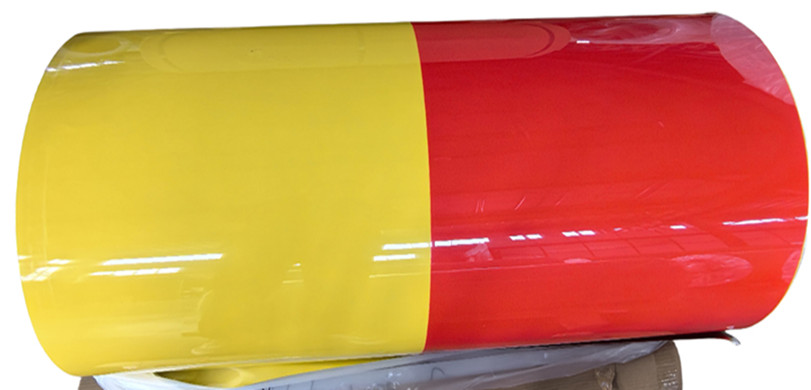
Before starting any maintenance program, it is important to understand how the panel surface is constructed. Aluminum composite panels consist of two aluminum skins bonded to a core material. The outer aluminum layer is produced from color coated aluminum coil that undergoes pretreatment, primer application, top coating, and high-temperature curing during manufacturing. This multi-layer coating system forms a protective barrier against corrosion, UV exposure, and moisture.
Although the cured coating provides environmental resistance, it is not immune to mechanical abrasion or aggressive chemicals. Cleaning methods must therefore respect the coating’s chemical stability and thickness. Using abrasive tools, strong solvents, or highly alkaline cleaners can damage the surface finish and reduce coating lifespan. Maintenance planning should always begin with reviewing product technical data sheets and confirming compatible cleaning agents.
A clear understanding of coating type—such as polyester or fluorocarbon-based finishes—helps determine how frequently cleaning is needed and which detergents are appropriate.
Routine Cleaning: Frequency and Basic Procedure
Surface contamination typically depends on location. Urban areas with heavy traffic generate soot and dust, while coastal regions introduce salt deposits. Industrial zones may expose façades to chemical particles. Establishing a cleaning schedule based on environmental exposure prevents excessive accumulation.
A standard routine cleaning process generally includes:
- Rinsing the surface with clean water to remove loose dust and particles
- Applying a mild, non-abrasive detergent diluted according to manufacturer guidance
- Gently wiping with a soft sponge or cloth
- Rinsing thoroughly to eliminate detergent residue
- Allowing the surface to air dry or wiping with a clean, soft cloth
High-pressure washing equipment should be used carefully. Excessive pressure may force water into panel joints or compromise sealants. Maintaining a safe distance and moderate pressure level reduces the risk of joint infiltration.
For buildings located in areas with moderate pollution, cleaning once or twice per year may be sufficient. In coastal or industrial environments, more frequent cleaning may be necessary to remove salt or chemical residues that could affect coating performance over time.
Addressing Stubborn Stains Without Damaging the Coating
Occasionally, façade surfaces may develop localized stains from grease, graffiti, tree sap, or construction residues. Removing these contaminants requires targeted treatment rather than aggressive scrubbing.
Mild solvents such as isopropyl alcohol may be suitable for certain stains, but compatibility testing on a small, inconspicuous area is recommended before full application. Acidic or highly alkaline cleaners should be avoided unless explicitly approved by the coating manufacturer.
Mechanical tools such as steel wool, abrasive pads, or hard brushes should not be used, as they can scratch the protective layer. Even minor scratches may expose underlying aluminum to environmental exposure, which can gradually affect appearance.
For graffiti removal, specialized cleaning agents formulated for coated metal surfaces are often available. Prompt cleaning improves the likelihood of removing marks without leaving residual shadowing.
Inspection Practices That Prevent Long-Term Issues
Maintenance extends beyond cleaning. Periodic inspection plays an equally important role in preserving façade condition. Visual checks can identify early signs of sealant deterioration, loose fasteners, or joint separation.
Inspection routines may include:
- Examining panel joints for sealant cracking or shrinkage
- Checking fasteners and brackets for corrosion or loosening
- Looking for surface scratches, dents, or coating blisters
- Assessing drainage paths to ensure water is not trapped behind panels
If sealants show signs of aging, replacement should be carried out promptly to prevent water infiltration. Trapped moisture behind panels can contribute to substructure corrosion even if the panel surface remains intact.
Documenting inspection findings provides a maintenance history that helps facility managers track recurring issues and plan timely repairs.
Environmental Factors and Preventive Measures
Environmental exposure varies significantly by region. In coastal zones, salt accumulation can form a thin film on façade surfaces. If left unwashed, salt deposits may gradually affect coating performance. Regular rinsing with clean water reduces accumulation.
In areas with heavy rainfall, drainage design should be reviewed to ensure water flows away from panel joints. Standing water near façade elements may accelerate sealant wear. Buildings surrounded by vegetation may experience organic staining from leaves or pollen, requiring seasonal cleaning.
Construction activities nearby can also introduce cement dust or metal particles. These contaminants should be removed promptly, as they may bond to the surface if exposed to moisture.
Preventive maintenance often requires coordination between cleaning teams and building management to ensure that surrounding environmental factors are considered.


 中文简体
中文简体 English
 Português
 русский
 Español
 عربى
عربى