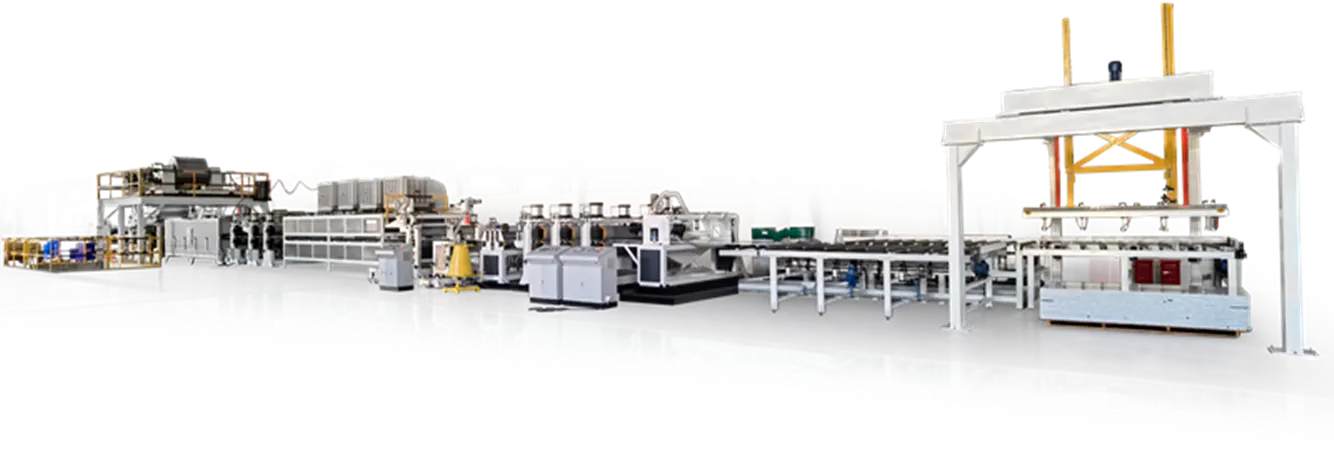
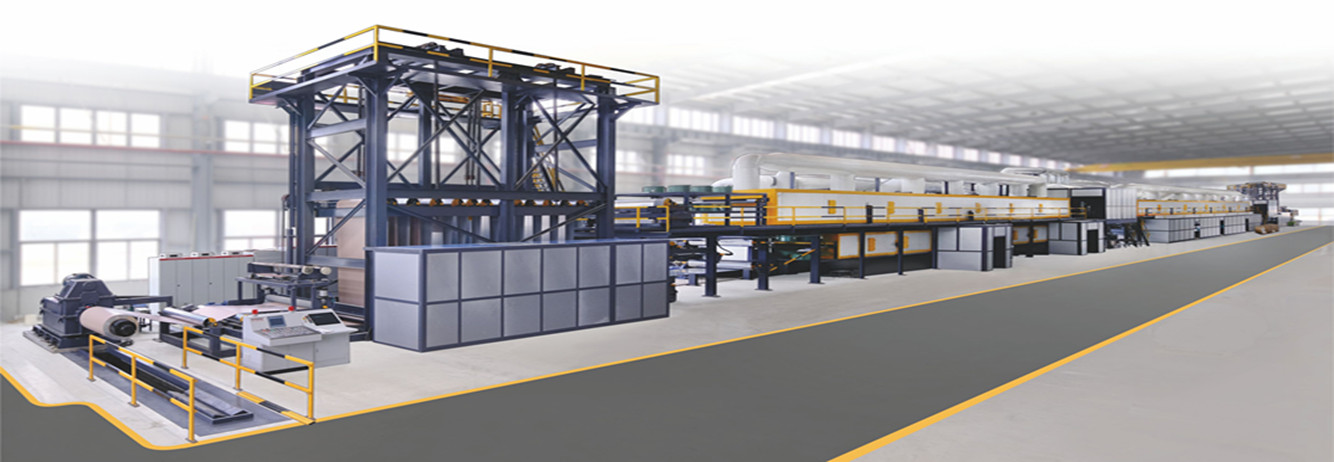
Building façades face continuous exposure to weather, UV radiation, pollution, and temperature changes, all of which influence how long materials remain functional and visually consistent. Aluminum Composite Panel systems, produced using Color Coated Aluminum Coil, are increasingly used due to their combination of lightweight construction, aesthetic versatility, and manageable maintenance requirements. Understanding what factors affect their lifespan allows architects, contractors, and facility managers to make informed decisions about selection, installation, and upkeep rather than assuming uniform durability across all projects.
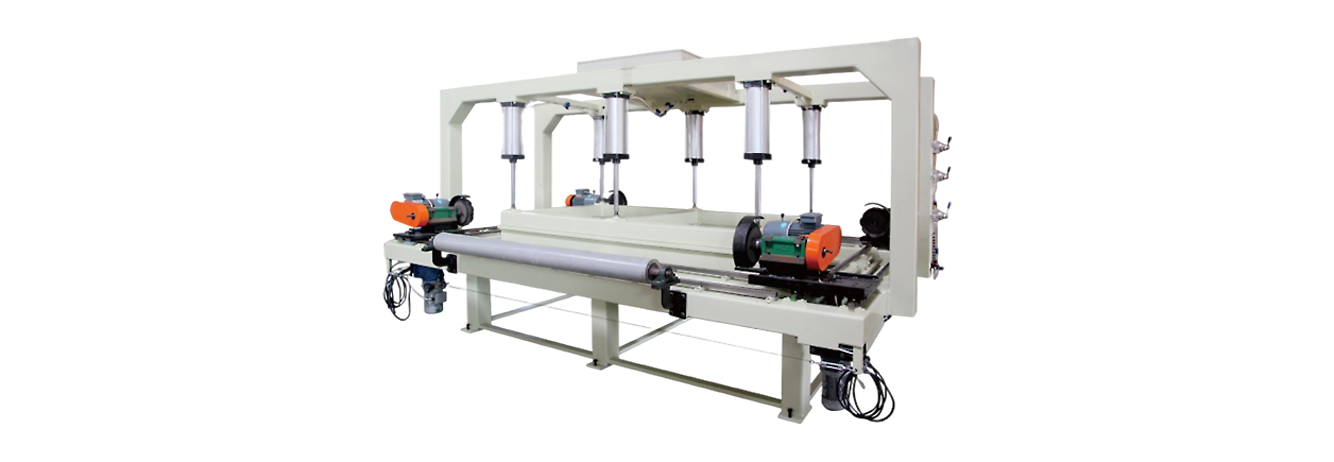
Material Composition and Quality of Coatings
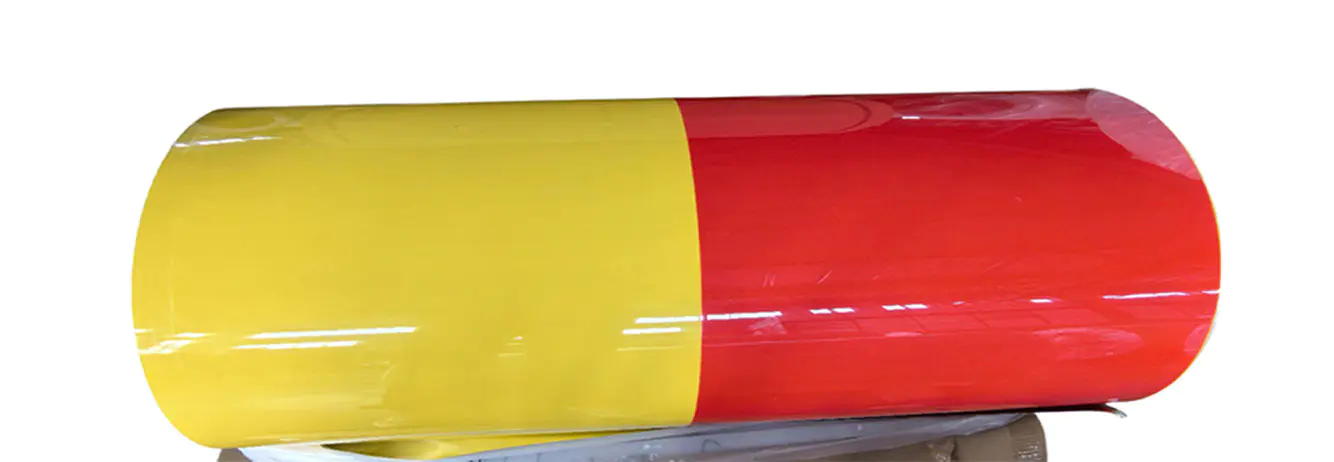
The durability of an aluminum composite panel is closely linked to the properties of both the aluminum substrate and the surface coating. Aluminum provides corrosion resistance through its natural oxide layer, while the color coated aluminum coil adds a protective layer that resists environmental degradation. The coating system—applied under controlled conditions with chemical pretreatment, primer, and topcoat—determines resistance to UV exposure, moisture, and chemical pollutants. Coating thickness, curing consistency, and adhesion quality directly influence how well the panel surface maintains its appearance and resists cracking or peeling over time.
Similarly, the core material affects structural stability. Mineral-filled or fire-retardant cores maintain panel flatness and prevent warping or delamination under environmental stress, whereas polyethylene cores may behave differently under high heat or prolonged sunlight. Choosing a combination of aluminum skins, core material, and coil-applied coating appropriate to the building's exposure conditions plays a central role in expected service life.
Installation Practices Affecting Longevity
Even high-quality materials can show reduced lifespan if installation does not accommodate natural movement, drainage, and environmental stress. Panels expand and contract with temperature changes, and joints, fasteners, and subframe design must allow this movement to avoid warping or stress at attachment points. Properly installed expansion joints, ventilation gaps, and alignment checks reduce strain on both panel skins and coating surfaces.
Façade assembly also influences how moisture is managed. Trapped water behind panels can accelerate corrosion or degrade sealants, impacting both appearance and structural stability. Therefore, installation practices that account for drainage, airflow, and joint sealing contribute significantly to the system's overall lifespan.
Environmental Exposure and Its Impacts
Buildings located in coastal, industrial, or high-UV environments face additional factors that influence panel longevity. Salt particles, chemical pollutants, or intense sunlight can gradually affect coatings and underlying aluminum. Regular inspection and cleaning reduce the accumulation of pollutants, but environmental exposure remains a key variable in determining how long panels maintain their functional and visual integrity. Regional climate data, including temperature variation and precipitation levels, should inform both panel selection and maintenance scheduling.
Maintenance and Inspection Practices
Routine maintenance is critical to sustaining the lifespan of aluminum composite panel systems. Cleaning surfaces to remove dust, pollutants, or organic debris prevents abrasion or staining that could degrade the coating. Periodic inspection of joints, fasteners, and sealants identifies minor issues before they affect overall performance.
Practical steps for maintenance include:
- Cleaning with mild detergents and soft cloths or sponges
- Checking sealant condition and replacing cracked or shrunken sections
- Inspecting fasteners and subframe connections for corrosion or looseness
- Observing surface condition for minor scratches, dents, or coating fatigue
Thermal Movement and Mechanical Stress
Temperature fluctuations cause aluminum composite panels to expand and contract. While the material design accommodates this movement, repeated cycles over many years can affect both panel alignment and coating adhesion if installation and assembly are not properly executed. Panels in areas with large daily or seasonal temperature differences benefit from careful attention to fastening methods, joint spacing, and panel orientation. Mechanical stresses during wind exposure or seismic activity can also influence long-term performance, making proper subframe design and secure fastening an important determinant of lifespan.
Chemical and UV Resistance
The color coated aluminum coil surface is designed to withstand typical environmental conditions, but exposure to harsh chemicals, acids, or abrasive particles can accelerate surface degradation. Choosing coatings compatible with expected environmental conditions, along with timely removal of contaminants, helps maintain surface uniformity. UV exposure gradually affects gloss and color, so coatings with stable pigmentation and sufficient thickness prolong appearance over time. While panels do not require frequent repainting, selecting a coating suited to both climate and aesthetic expectations supports long-term durability.


 中文简体
中文简体 English
 Português
 русский
 Español
 عربى
عربى