Thermal management has become a key consideration in the design of modern equipment, especially as systems grow more compact and operate under higher loads. In this context, Aluminum Coil and Coated Aluminum Coil are widely used materials that help manufacturers manage heat flow more effectively while maintaining structural flexibility. Their combination of thermal conductivity, formability, and surface adaptability allows them to be integrated into a wide range of industrial and commercial applications.
Heat Transfer Characteristics of Aluminum Materials
Aluminum is commonly selected for heat-related applications because of its relatively high thermal conductivity compared to many other metals used in manufacturing. This allows heat to move quickly through the material, reducing the risk of localized overheating. In coil form, aluminum can be shaped into fins, tubes, or layered structures that increase the surface area exposed to air or fluids, which supports more efficient heat exchange.
Another factor that influences performance is thickness. Thinner coils allow faster heat transfer but may reduce mechanical strength, while thicker coils offer durability but slightly slower thermal response. Balancing these aspects depends on the specific application, such as HVAC systems, heat exchangers, or electronic cooling components.
How Surface Coating Influences Thermal Performance
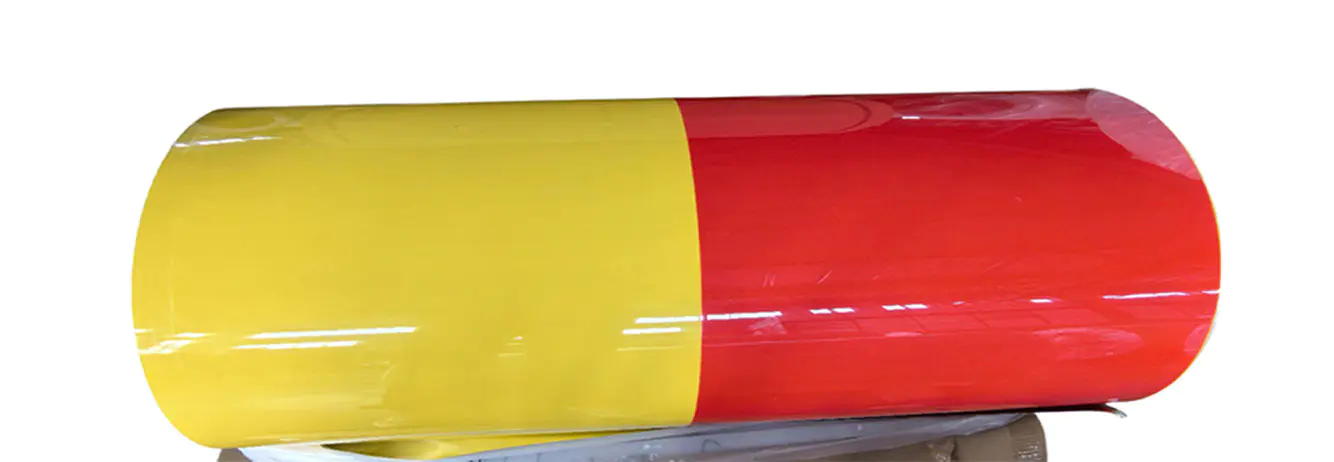
The addition of coatings introduces another layer of functionality to aluminum coils. A Coated Aluminum Coil is not only designed for appearance or corrosion resistance, but also plays a role in thermal behavior. Certain coatings can improve emissivity, which affects how efficiently a surface releases heat into the surrounding environment.
At the same time, coatings can act as a protective barrier against oxidation, moisture, and chemical exposure. This helps maintain consistent heat transfer performance over time, particularly in environments where untreated aluminum may degrade. However, the type and thickness of the coating should be carefully selected, as overly thick layers may slightly reduce thermal conductivity.
Practical Design Considerations for Equipment Manufacturers
When incorporating aluminum coils into equipment, several design factors should be evaluated to ensure effective heat transfer:
- Surface Area Expansion: Increasing the exposed surface through fins or corrugated shapes can enhance heat dissipation.
- Airflow or Fluid Contact: Proper spacing and orientation allow air or liquid to flow smoothly across the coil surface.
- Material Compatibility: Ensuring compatibility with other metals helps prevent galvanic corrosion.
- Coating Selection: Choosing coatings that balance protection and thermal properties supports long-term use.
These considerations are often interconnected. For example, increasing surface area without ensuring adequate airflow may limit the expected improvement in heat exchange.
Comparing Bare and Coated Aluminum Coil in Applications
|
Feature
|
Aluminum Coil
|
Coated Aluminum Coil
|
|
Thermal Conductivity
|
Direct and efficient
|
Slightly influenced by coating
|
|
Corrosion Resistance
|
Moderate
|
Enhanced due to surface layer
|
|
Surface Emissivity
|
Standard
|
Can be adjusted with coatings
|
|
Maintenance Requirements
|
May require protection
|
Reduced need for frequent upkeep
|
|
Application Environment
|
Controlled or indoor settings
|
Outdoor or corrosive environments
|
This comparison shows that both forms have their place, and the choice depends on operating conditions rather than a single performance factor.
Common Questions About Aluminum Coil in Heat Transfer
- Does coating always reduce heat transfer efficiency?
Not necessarily. While coatings can introduce a slight thermal barrier, certain types improve heat emission, which may offset the reduction in conductivity.
- How do I choose the right thickness for an aluminum coil?
Thickness should match the mechanical and thermal requirements of the application. Thinner materials respond faster to temperature changes, while thicker ones provide added strength.
- Are aluminum coils suitable for outdoor equipment?
Yes, but coated versions are often preferred in outdoor environments to reduce the effects of moisture and corrosion.
- What role does surface design play in heat transfer?
Surface geometry, such as fins or grooves, increases contact area and improves interaction with air or fluids, supporting better heat exchange.
- Can aluminum coils be combined with other metals?
They can, but compatibility should be considered to avoid galvanic corrosion, especially in humid or conductive environments.


 中文简体
中文简体 English
 Português
 русский
 Español
 عربى
عربى