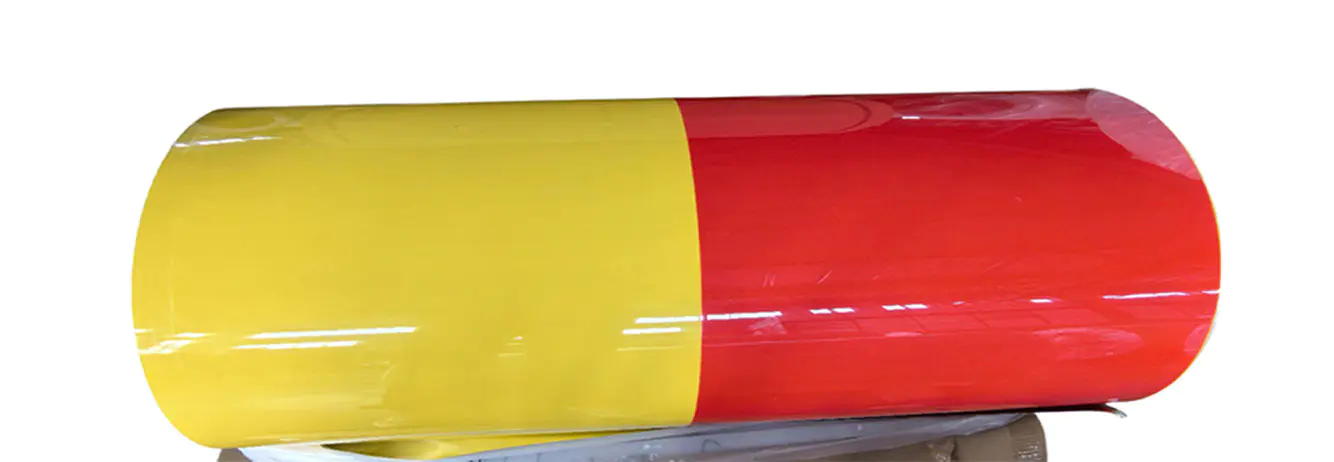
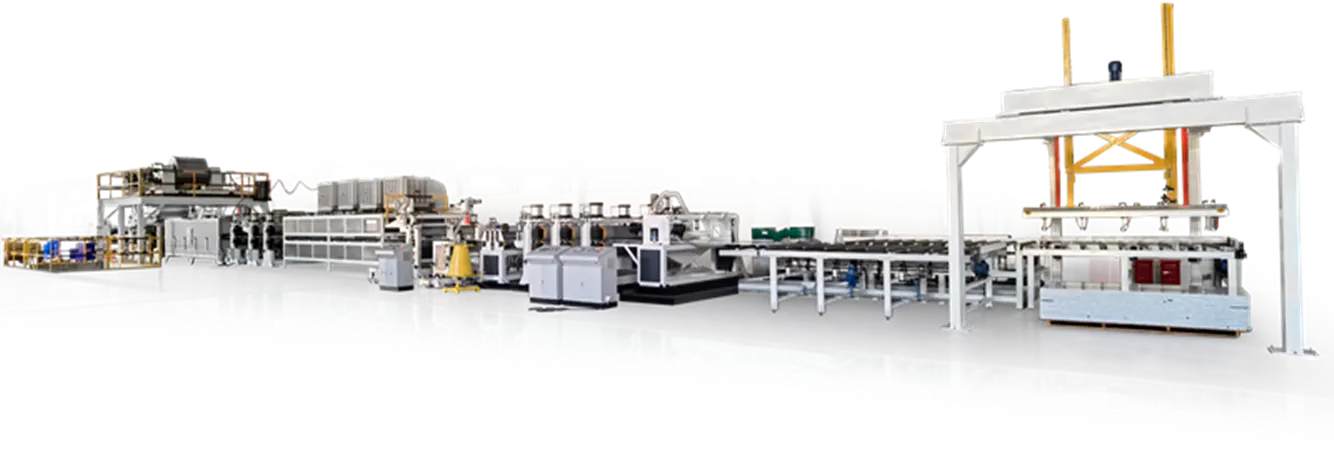
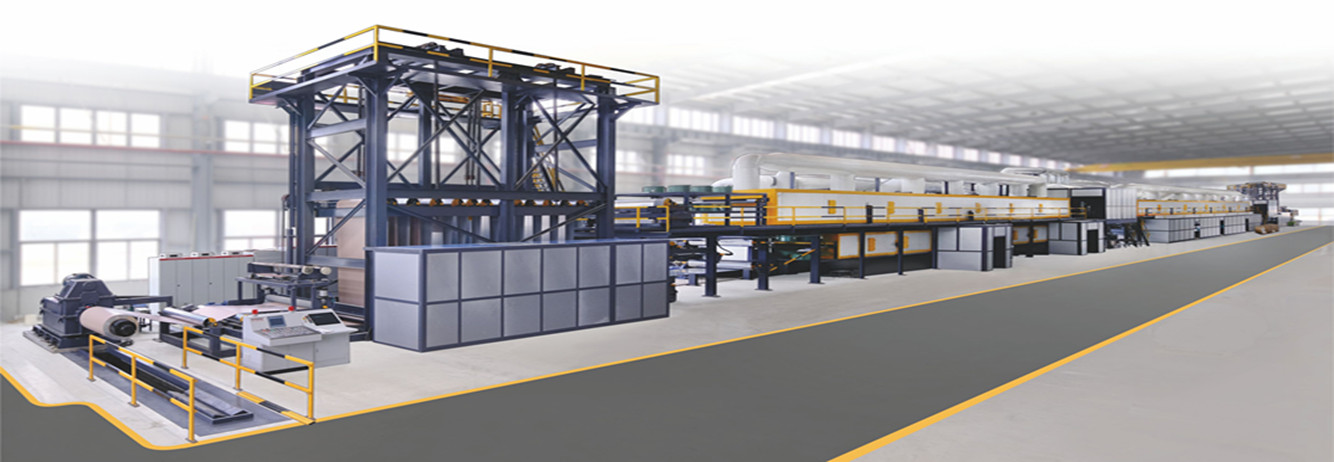
Outdoor environments place continuous demands on building materials, especially those exposed to sunlight, moisture, and airborne contaminants. Under these conditions, Aluminum Coil and Coated Aluminum Coil are frequently selected for their ability to balance structural flexibility with surface protection. By combining the inherent properties of aluminum with tailored coatings, these materials are widely used in construction, transportation, and exterior equipment where long-term surface stability is required.
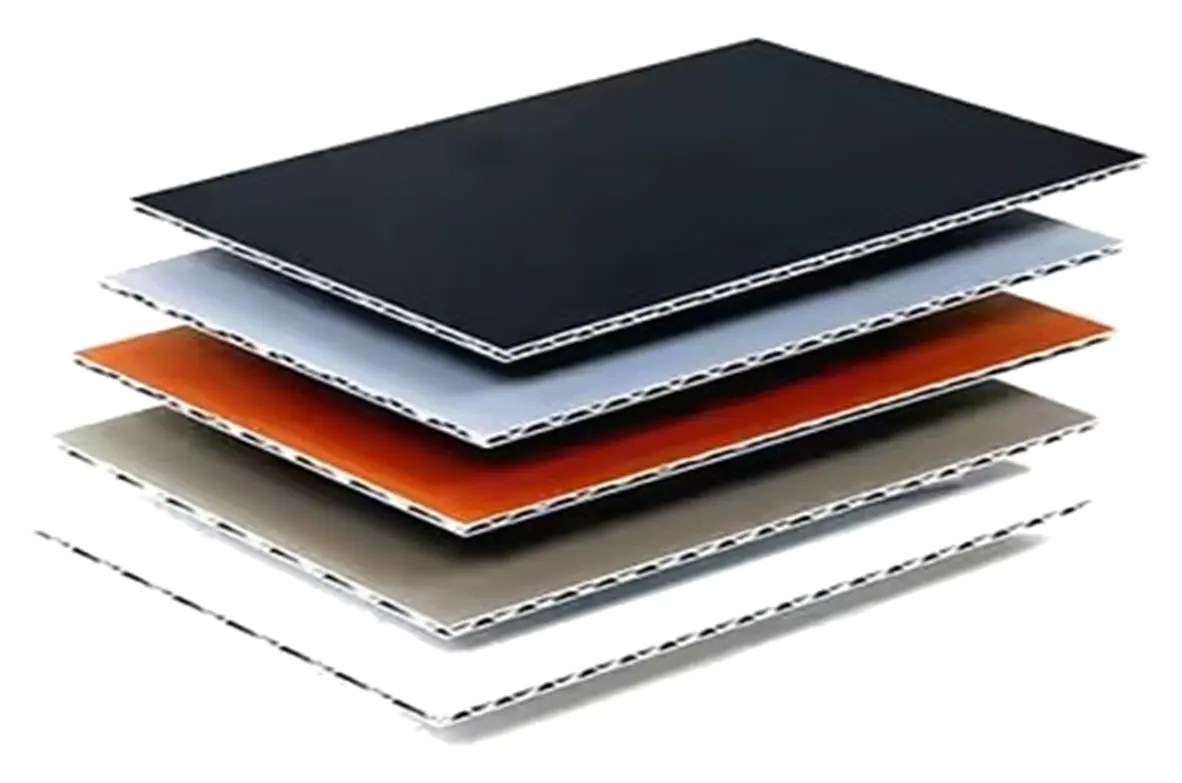
Why Outdoor Applications Require Surface Protection Beyond Bare Aluminum
Aluminum naturally forms a thin oxide layer when exposed to air, which provides a certain level of corrosion resistance. However, in outdoor environments where materials are exposed to rain, ultraviolet radiation, and pollutants, this natural layer may not always be sufficient to maintain a consistent surface appearance over time. Discoloration, gradual oxidation, and surface wear can occur, particularly in coastal or industrial regions.
Applying a coating to aluminum coils introduces an additional protective barrier that helps reduce direct contact between the metal and external elements. This barrier can slow down environmental impact while also allowing the surface to maintain a more uniform color and texture. As a result, coated variants are often used in facades, roofing systems, and outdoor signage where both appearance and durability matter.
How Coating Types Influence Outdoor Performance
Different coating systems are designed to address specific environmental challenges. Polyester coatings, for example, are commonly used for general outdoor applications due to their balance between cost and weather resistance. Fluorocarbon-based coatings are often selected for projects that require longer color retention and resistance to UV exposure. Powder coatings, on the other hand, provide a thicker surface layer and are often used in components that require additional mechanical protection.
Each coating type has its own characteristics in terms of thickness, adhesion, and flexibility. These factors influence how the aluminum coil performs when exposed to temperature fluctuations or mechanical stress. Choosing the appropriate coating depends on the intended use, environmental conditions, and expected service life.
Key Factors to Evaluate When Selecting Coated Aluminum Coil
When choosing materials for outdoor use, several practical considerations can help guide the selection process:
- Environmental Exposure: Assess whether the material will be exposed to coastal air, industrial emissions, or heavy rainfall.
- UV Resistance Requirements: Determine how much sunlight exposure the surface will receive over time.
- Coating Thickness: Thicker coatings may provide added protection but should remain compatible with forming processes.
- Color Stability Needs: Some applications require surfaces to maintain a consistent appearance for longer periods.
- Maintenance Expectations: Consider how often the surface can be cleaned or inspected after installation.
Evaluating these aspects together helps ensure that the selected material aligns with both functional and visual expectations.
Comparing Common Coating Options for Outdoor Use
|
Coating Type
|
Typical Features
|
Suitable Applications
|
|
Polyester (PE)
|
Balanced cost and weather resistance
|
General building exteriors
|
|
PVDF (Fluorocarbon)
|
Strong UV resistance and color retention
|
High-exposure architectural surfaces
|
|
Powder Coating
|
Thicker layer, mechanical durability
|
Railings, frames, outdoor equipment
|
Design Considerations for Outdoor Installations
The performance of coated aluminum coils is not only influenced by the material itself but also by how it is integrated into the final structure. Proper installation techniques can help maintain surface integrity over time. For example, allowing for thermal expansion reduces the risk of cracking or deformation as temperatures change. Adequate drainage design prevents water accumulation, which may otherwise affect the coating surface.
Additionally, the method of cutting and forming the coil plays a role in maintaining coating consistency. Improper handling during fabrication can expose raw edges or create surface stress, which may affect durability in outdoor conditions. Using appropriate tools and processes helps preserve the protective layer across the entire component.
Common Questions About Coated Aluminum Coil in Outdoor Applications
- How does a coated aluminum coil perform in coastal areas?
Coated aluminum coils are often used in coastal regions because the coating helps reduce exposure to salt in the air. Selecting a coating designed for such conditions can further improve durability.
- Will the color fade over time under sunlight?
All materials experience some level of change over time, but coatings with higher UV resistance tend to maintain color consistency for longer periods compared to standard options.
- Can coated aluminum coils be bent or shaped during installation?
Yes, they are designed to be formable. However, bending should be done within recommended limits to avoid affecting the coating layer.


 中文简体
中文简体 English
 Português
 русский
 Español
 عربى
عربى