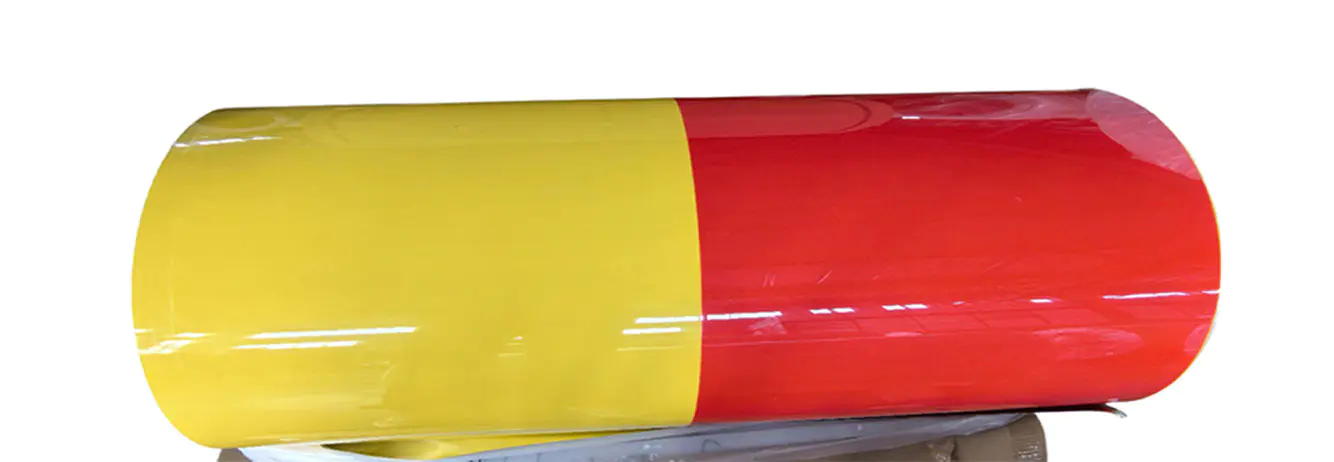
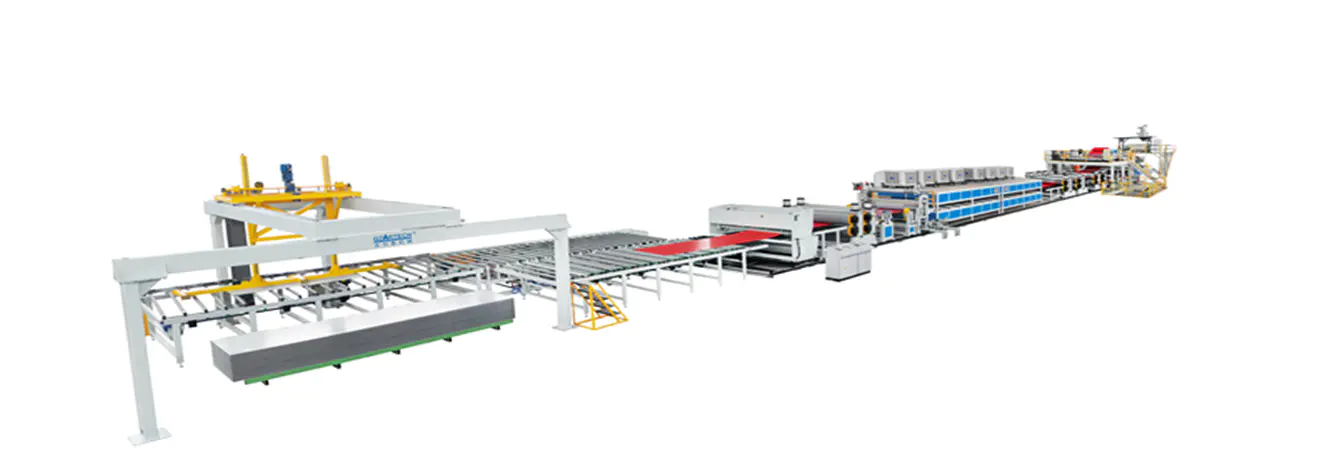
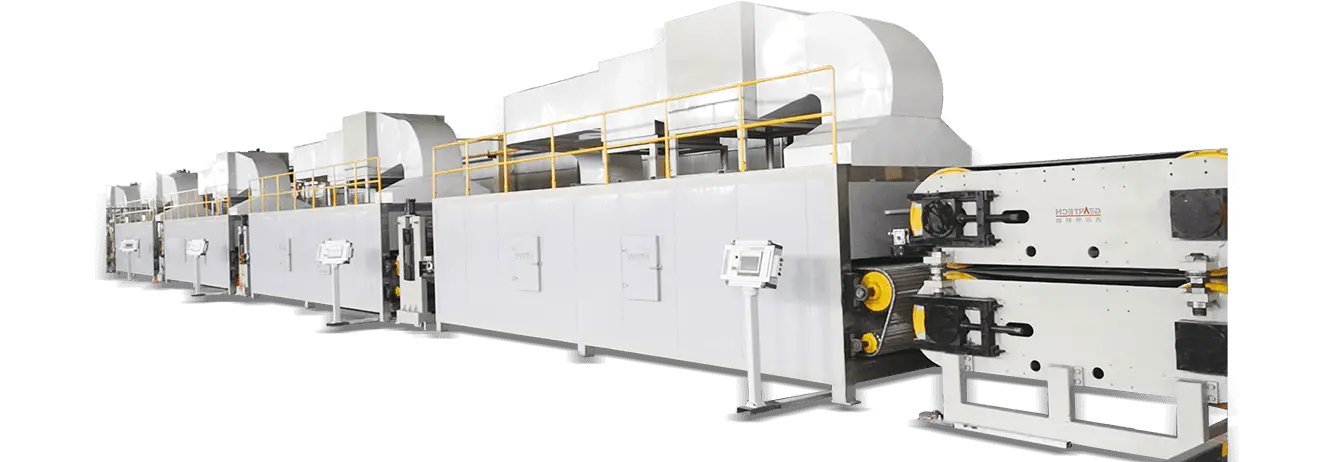
Weight reduction has become a practical focus in transportation manufacturing, where efficiency, fuel consumption, and structural design are closely connected. In this context, Aluminum Coil and Coated Aluminum Coil are widely used materials that support lighter structures while maintaining necessary strength and durability. Their adaptability across different forming processes allows manufacturers to integrate them into vehicle components without significantly changing existing production methods.
The Role of Lightweight Materials in Transportation Design
Modern transportation equipment, including passenger vehicles, commercial trucks, rail systems, and trailers, often requires a balance between structural integrity and overall weight. Heavier materials can increase fuel consumption and place additional stress on mechanical systems, while lighter materials help reduce energy demand and improve handling.
Aluminum has become a commonly used alternative to traditional steel in certain applications due to its lower density. When processed into coil form, it can be rolled, stamped, or shaped into panels and structural components used in body systems, roofing, and interior frameworks. This flexibility allows designers to explore different configurations without significantly increasing total mass.
How Aluminum Coil Supports Weight Reduction Without Complex Redesign
One advantage of using aluminum coils lies in their compatibility with existing manufacturing techniques. Many production lines can adapt to aluminum with adjustments in tooling and forming parameters rather than requiring a complete overhaul. This makes it possible to introduce lighter materials gradually.
Another practical factor is the strength-to-weight ratio. While aluminum may not match the absolute strength of some steel grades, its lower weight allows manufacturers to achieve similar performance by adjusting thickness or reinforcing certain areas. This approach helps maintain structural performance while still reducing the total weight of the component.
Comparing Aluminum Coil with Traditional Materials
|
Property
|
Aluminum Coil
|
Traditional Steel Materials
|
|
Density
|
Lower
|
Higher
|
|
Weight Impact
|
Reduces overall structure
|
Increases total mass
|
|
Corrosion Behavior
|
Forms natural oxide layer
|
Requires additional protection
|
|
Formability
|
Suitable for various shapes
|
Strong but may require more force
|
|
Surface Treatment
|
Can be coated easily
|
Often requires painting or plating
|
This comparison shows why aluminum is increasingly considered in applications where reducing weight is a priority, while still meeting functional requirements.
Design Considerations for Using Aluminum in Vehicles
Integrating aluminum coils into transportation manufacturing involves more than simply replacing one material with another. Engineers often need to evaluate joining methods, as aluminum behaves differently during welding and fastening compared to steel. In some cases, adhesives or mechanical fasteners are used to maintain structural connections.
Thermal expansion is another factor. Aluminum tends to expand more than steel when exposed to temperature changes, which may influence how components are assembled, particularly in large panels. Proper allowances in design help prevent distortion or stress over time.
Additionally, the surface condition of the material plays a role in performance. Coated aluminum coils can provide an extra layer of protection, especially in parts exposed to outdoor conditions such as vehicle exteriors or underbody components.
Common Questions About Aluminum Coil in Transportation Manufacturing
- Can aluminum coil fully replace steel in vehicles?
In some components it can, but in others a combination of materials is still used to balance strength, cost, and manufacturing requirements.
- Does reducing weight always improve fuel efficiency?
Weight reduction generally contributes to lower energy consumption, but overall efficiency also depends on design, aerodynamics, and engine performance.
- Are coated aluminum coils necessary for all transportation parts?
Not always. Coated versions are more commonly used in areas exposed to environmental conditions or where surface appearance matters.
- How does aluminum affect vehicle durability?
Durability depends on design and application. When properly engineered, aluminum components can perform effectively under normal operating conditions.
- Is aluminum coil easy to recycle in transportation applications?
Yes, aluminum is widely recyclable, and recycled material can be reused in manufacturing with appropriate processing.
- What challenges should manufacturers expect when switching to aluminum?
They may need to adjust forming techniques, joining methods, and design parameters to accommodate the material’s properties.


 中文简体
中文简体 English
 Português
 русский
 Español
 عربى
عربى