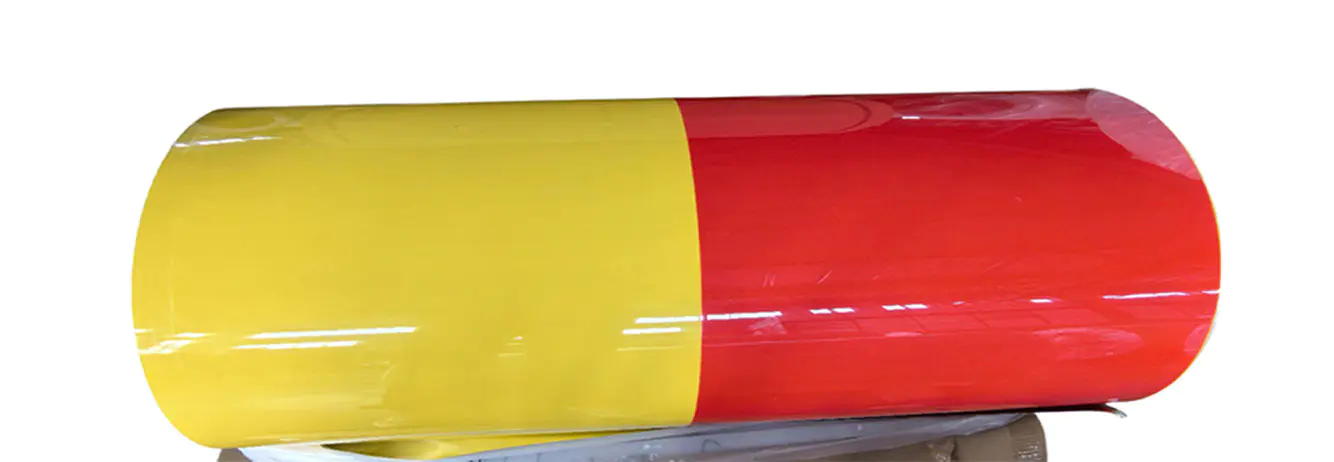
Exposure to demanding environments such as coastal regions, industrial zones, and high-humidity areas places continuous stress on metal materials. Under these conditions, Aluminum Coil and Coated Aluminum Coil are often evaluated for their ability to maintain structural stability and surface condition over time. While untreated aluminum already offers certain corrosion resistance, the addition of coatings can extend its usability in environments where external factors accelerate material degradation.
What Defines a Harsh Environment for Metal Materials?
A harsh environment is not defined by a single factor but rather by the combination of elements that affect material performance. High salinity in coastal air, airborne chemicals in industrial areas, frequent rainfall, and strong ultraviolet exposure can all contribute to surface deterioration. Temperature fluctuations also play a role, as repeated expansion and contraction may influence both the metal substrate and the coating layer.
In such conditions, materials are expected to withstand corrosion, maintain surface integrity, and remain functional without frequent replacement. Aluminum coils can meet some of these requirements on their own, but additional surface treatment often becomes necessary when exposure levels increase.
How Coatings Improve Aluminum Performance in Challenging Conditions
Coatings act as a barrier between the aluminum surface and the surrounding environment. This barrier helps reduce direct contact with moisture, oxygen, and contaminants that may otherwise contribute to corrosion or discoloration. Depending on the formulation, coatings can also provide resistance to ultraviolet radiation, which affects long-term surface appearance.
Another practical benefit is that coatings can help maintain consistent performance across different climates. For example, in areas with frequent rainfall, a coated surface may reduce the likelihood of water-related surface changes. In industrial settings, coatings can limit the impact of chemical exposure on the underlying aluminum. However, the effectiveness of this protection depends on coating quality, thickness, and proper application.
Situations Where Coated Aluminum Coil Becomes a Practical Choice
When evaluating whether coated aluminum coils are suitable for demanding environments, several conditions can indicate their usefulness:
- Coastal Installations: Exposure to salt-laden air increases the risk of corrosion, making protective coatings an important consideration.
- Industrial Facilities: Airborne chemicals and pollutants may affect untreated metal surfaces over time.
- High Humidity Regions: Persistent moisture can accelerate oxidation processes.
- Outdoor Architectural Surfaces: Long-term exposure to sunlight and weather requires stable surface finishes.
- Transportation Equipment: Vehicles operating in varying climates may benefit from added surface protection.
These scenarios highlight how environmental factors influence material selection rather than relying on a single performance requirement.
Installation and Handling Considerations in Harsh Environments
Even when the correct material is selected, installation practices can influence performance. Edges and cut sections of coated aluminum coils are more vulnerable because they may expose the underlying metal. Sealing or treating these areas helps maintain consistent protection.
Handling during transportation and installation should also be controlled to avoid scratches or surface damage. Mechanical impacts can compromise the coating layer, reducing its ability to act as a barrier. Using appropriate tools and protective measures during fabrication helps preserve the material’s surface condition.
Maintenance Approaches for Long-Term Use
Maintenance practices for coated aluminum coils in harsh environments are generally straightforward but should not be overlooked. Regular cleaning helps remove accumulated salts, dust, or chemical residues that may affect the surface over time. Mild cleaning agents are typically sufficient, while abrasive materials should be avoided to prevent surface damage.
Periodic inspections allow early identification of issues such as coating wear or localized damage. Addressing these areas promptly can help maintain overall material performance and reduce the likelihood of more extensive deterioration.
Common Questions About Coated Aluminum Coil in Harsh Environments
- Is coated aluminum coil always necessary in outdoor environments?
Not always. In mild environments, uncoated aluminum may perform adequately. Coated options are more often used when exposure levels are higher.
- How do I choose the right coating for a specific environment?
Consider factors such as humidity, chemical exposure, and sunlight intensity.
- Can coated aluminum coils handle temperature changes?
They can accommodate typical temperature variations, but proper installation design should allow for thermal expansion.
- What happens if the coating is scratched?
Scratches may expose the aluminum surface, which could cause localized corrosion. Repairing or sealing the area is usually recommended.
- Are coated aluminum coils suitable for industrial equipment?
Yes, they are often used in equipment exposed to chemicals or outdoor conditions, provided the coating type matches the environment.


 中文简体
中文简体 English
 Português
 русский
 Español
 عربى
عربى