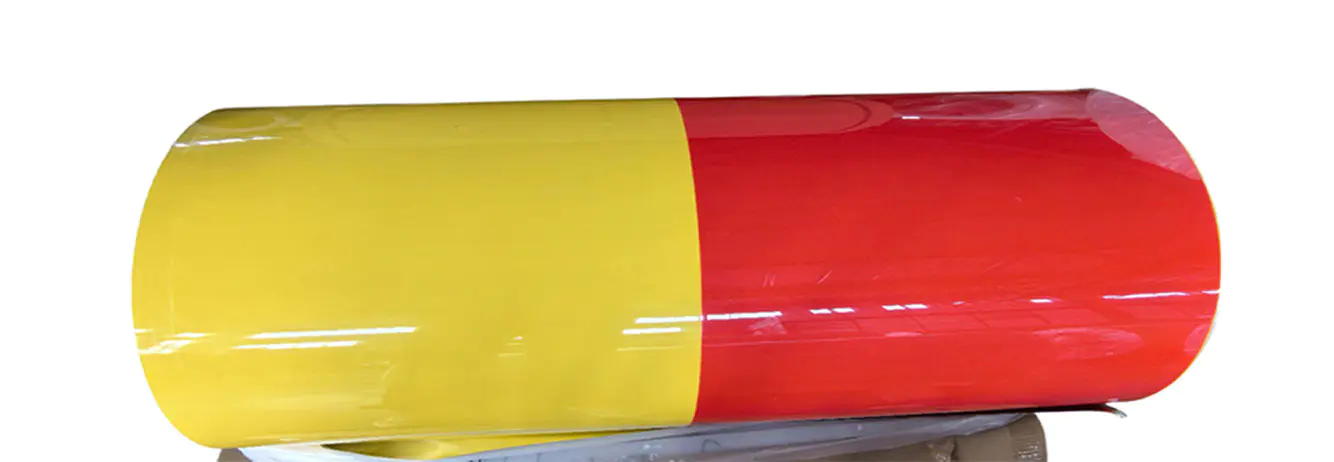
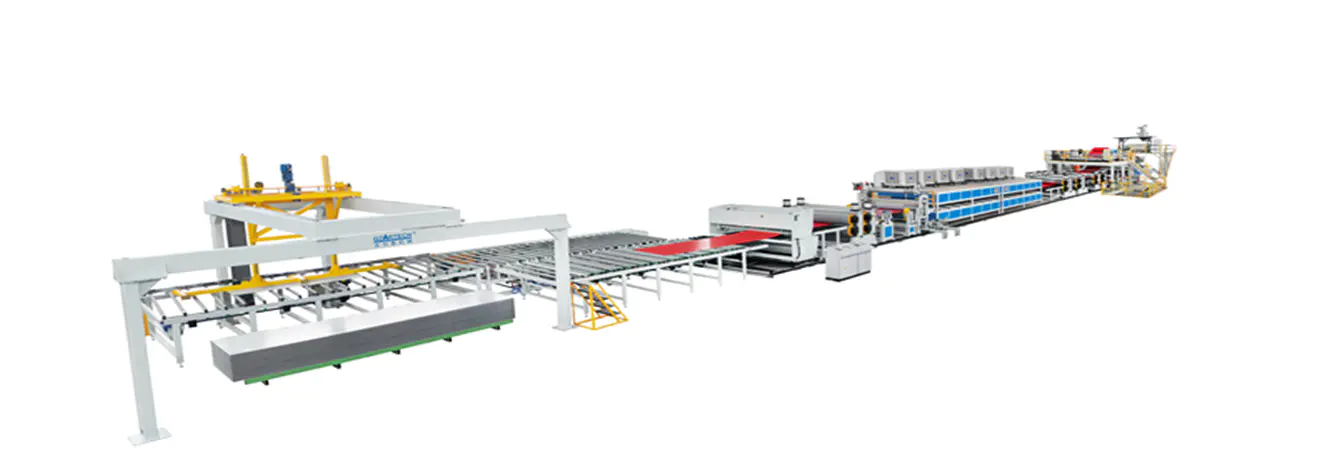
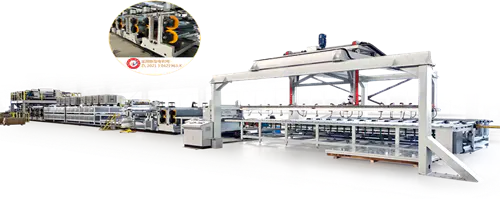
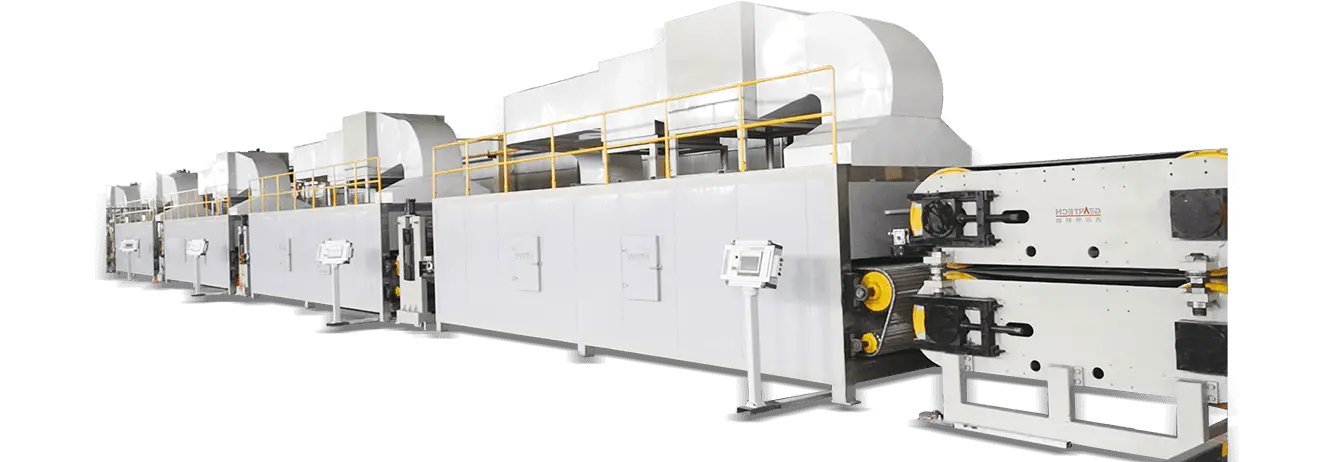
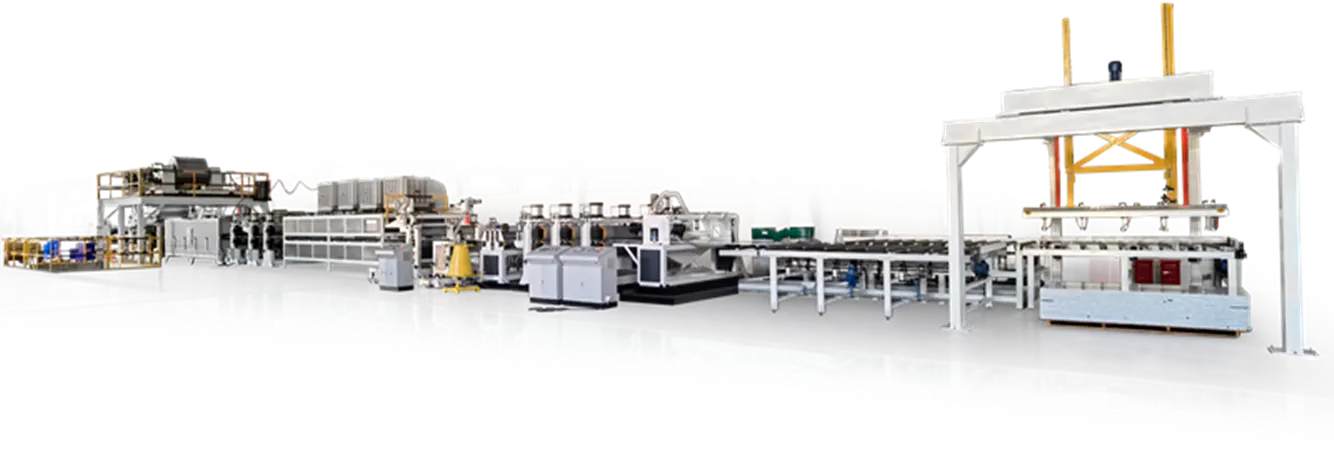
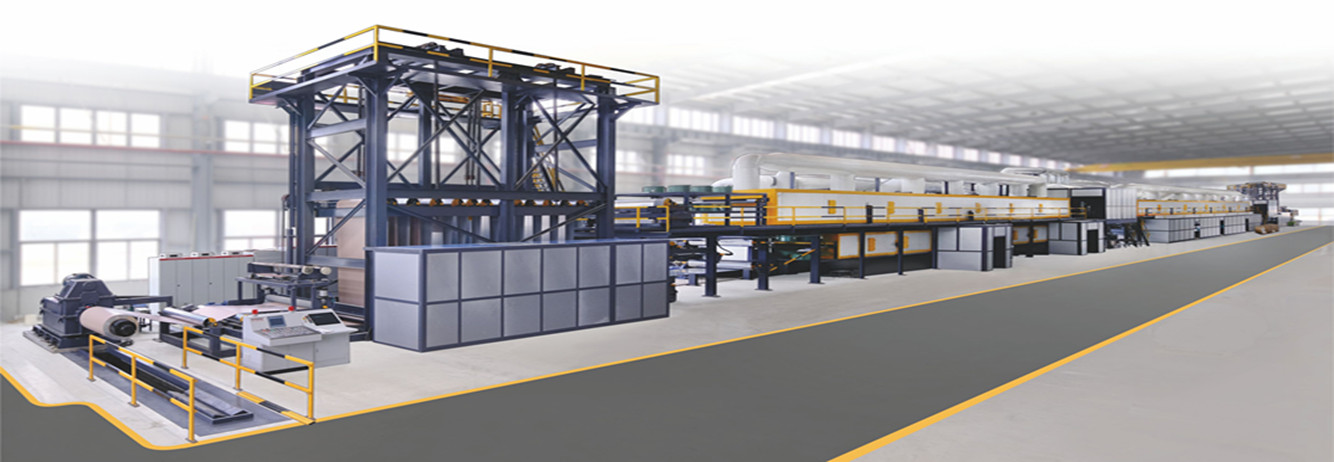
As architectural panel designs become more varied, manufacturers are dealing with a wider combination of panel shapes, surface effects, dimensions, and material specifications. This shift is creating new production requirements that cannot always be addressed by conventional flat-panel equipment. A 3D Aluminum Composite Panel Production Line can provide a more coordinated approach to forming and composite panel manufacturing, but achieving stable results depends on much more than the forming section itself. Feeding accuracy, temperature control, lamination, cooling, cutting, and material compatibility all influence the final panel.
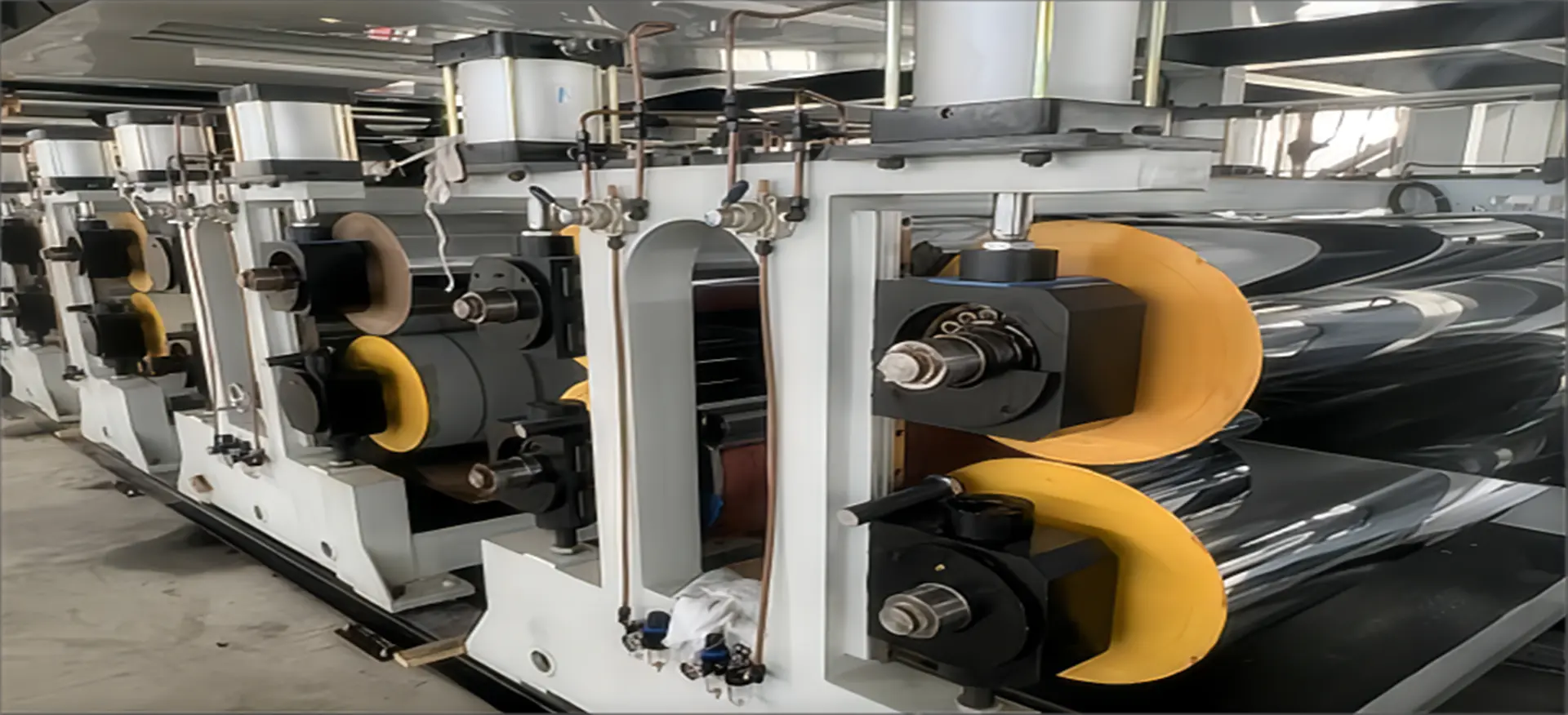
Panel Geometry Changes the Production Process
Moving from flat aluminum composite panels to three-dimensional designs introduces additional process variables. Changes in depth, curvature, embossed patterns, or shaped sections can affect material stress and dimensional stability. If the forming process is not properly matched to the panel structure, manufacturers may encounter inconsistent shapes, surface distortion, or difficulties during subsequent fabrication.
For production engineers, the step is therefore to define the intended panel geometry and dimensional tolerances before selecting equipment. This information helps determine the appropriate forming method, working width, material handling arrangement, and downstream processing configuration.
Stable Material Feeding Supports Consistent Results
Continuous production relies on controlled material feeding. Aluminum coils, core materials, and other layers need to enter the process at a consistent speed and with appropriate tension. Variations in feeding can influence alignment and create problems during lamination or forming.
A properly configured production line should coordinate feeding speed with the extrusion, bonding, forming, and cutting sections. This is particularly useful when manufacturers need to switch between different panel specifications. Practical automation can reduce repeated manual adjustments and give operators clearer control over production conditions.
Temperature Control Influences Composite Performance
Temperature is another important engineering consideration. The core material and aluminum layers must be processed within suitable temperature conditions to achieve reliable bonding without causing unnecessary deformation.
An aluminum composite panel production line may therefore integrate temperature monitoring and control across several processing stages. Engineers should pay attention to heating zones, temperature uniformity, cooling performance, and the response of the control system during specification changes. Stable thermal conditions can make production easier to reproduce when the same panel needs to be manufactured repeatedly.
Lamination Requires More Than Pressure
Lamination quality depends on the interaction between surface preparation, temperature, pressure, material compatibility, and line speed. Excessive pressure does not automatically produce better bonding, while insufficient pressure may result in inconsistent contact between layers.
For manufacturers, the useful approach is to establish a process window based on the selected materials and panel structure. The production equipment should then provide sufficient control over the relevant parameters. This becomes increasingly important for buyers planning to manufacture several product categories on one production platform.
Cooling and Flatness Need Attention
After lamination and forming, cooling has a direct relationship with dimensional stability. Uneven cooling can contribute to residual stress or deformation, particularly when panel structures become more complex.
For this reason, cooling equipment should be evaluated as part of the complete production process rather than treated as a secondary component. Engineers can examine cooling uniformity, conveyor stability, panel support, and the transition between forming and cutting. These details may have a noticeable effect on the consistency of finished panels during later installation or fabrication.
Automation Helps Manage Multiple Specifications
Many overseas buyers are not looking for automation simply for the sake of adding automated components. Their concern is usually whether the equipment can make production easier to manage when orders involve different specifications.
A practical control system can support:
- Parameter adjustment for different panel dimensions.
- Coordinated speed control between production sections.
- Temperature monitoring across processing zones.
- Production alarms for abnormal operating conditions.
- Repeatable settings for recurring orders.
Such functions can reduce dependence on manual adjustment and make production records easier to review when quality issues occur.
Equipment Selection Should Follow the Product Roadmap
From a manufacturer's perspective, equipment should be specified around the buyer's intended product range rather than a generic production target. A 3D Aluminum Composite Panel Production Line may need different configurations depending on panel dimensions, core materials, surface treatments, forming requirements, and downstream fabrication methods.
Before purchasing, overseas buyers should provide clear information about the panels they intend to manufacture and discuss these requirements with the equipment supplier. A production line designed around actual products can provide a more practical foundation for future customization, process testing, operator training, maintenance planning, and production expansion.
For manufacturers entering the 3D architectural panel market, this engineering-focused approach can turn flexible production capability into a more manageable long-term manufacturing system with a suitable 3D Aluminum Composite Panel Production Line.


 中文简体
中文简体 English
 Português
 русский
 Español
 عربى
عربى