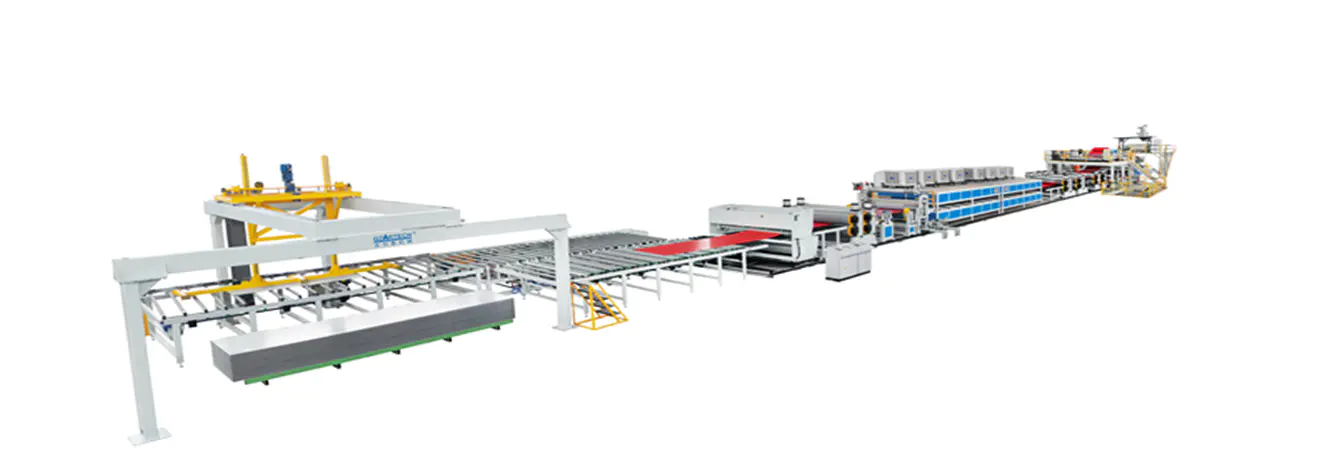
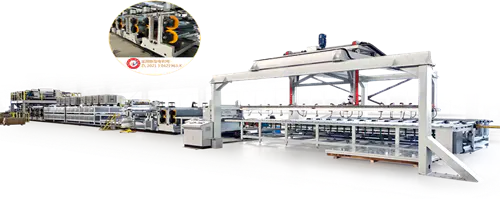
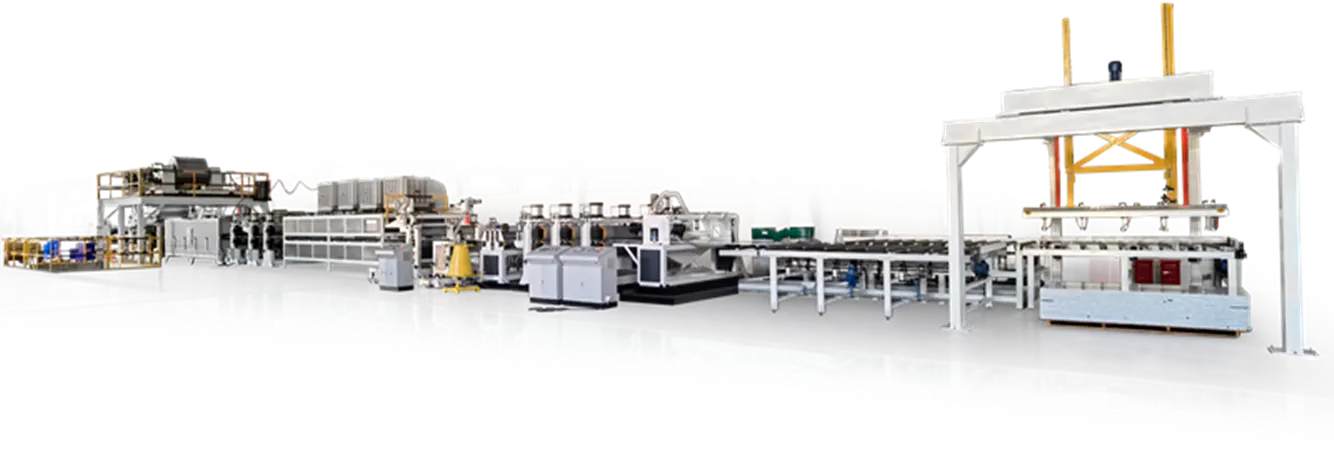
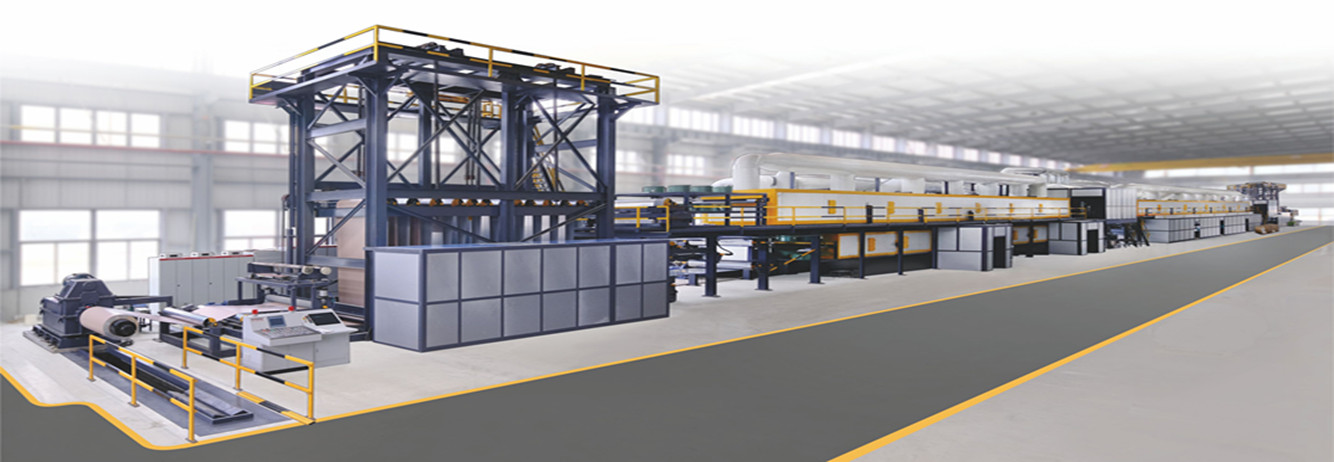
As architectural cladding and decorative panel markets continue to demand more design flexibility, manufacturers are paying closer attention to how production equipment handles different panel structures, finishes, dimensions, and core materials. A 3D Aluminum Composite Panel Production Line is becoming relevant for businesses that want to move beyond standard flat panels and support textured, shaped, embossed, or design-oriented products without adding unnecessary production complexity. For overseas buyers, the key decision is not simply machine capacity, but whether the line can provide stable lamination, accurate forming, controlled cooling, and practical changeover for real production orders.
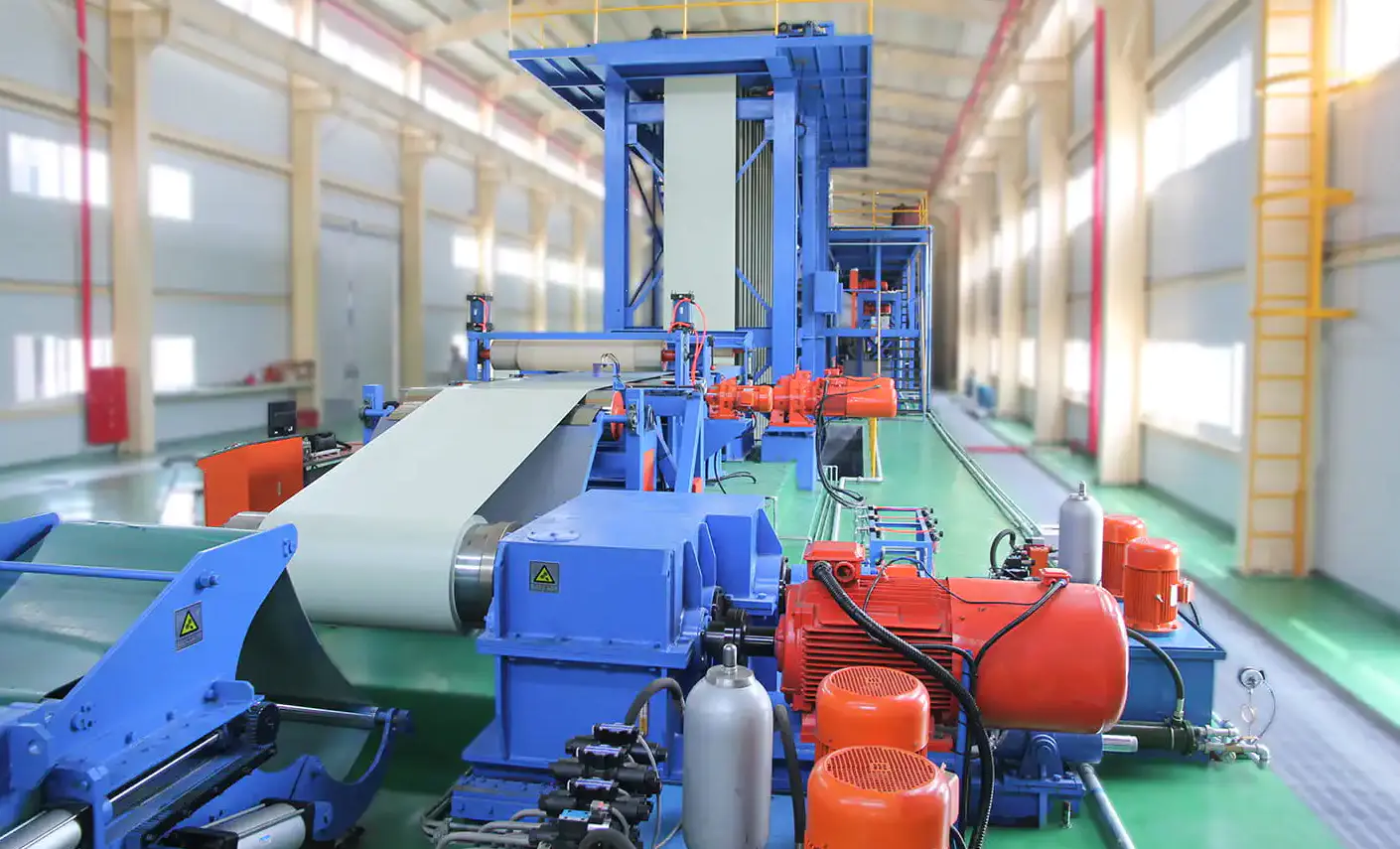
Flexible Production Starts with Process Compatibility
A 3D panel project may involve more than adding a decorative surface. Forming depth, panel geometry, surface texture, aluminum thickness, core composition, and finishing method can all affect the production route. Recent ACP manufacturing discussions place increasing attention on synchronized feeding, extrusion, lamination, cooling, trimming, and cutting because instability in one stage can influence downstream panel quality. Manufacturers should therefore evaluate the complete process chain rather than selecting individual machines only by rated output.
Lamination Quality Remains a Purchasing Priority
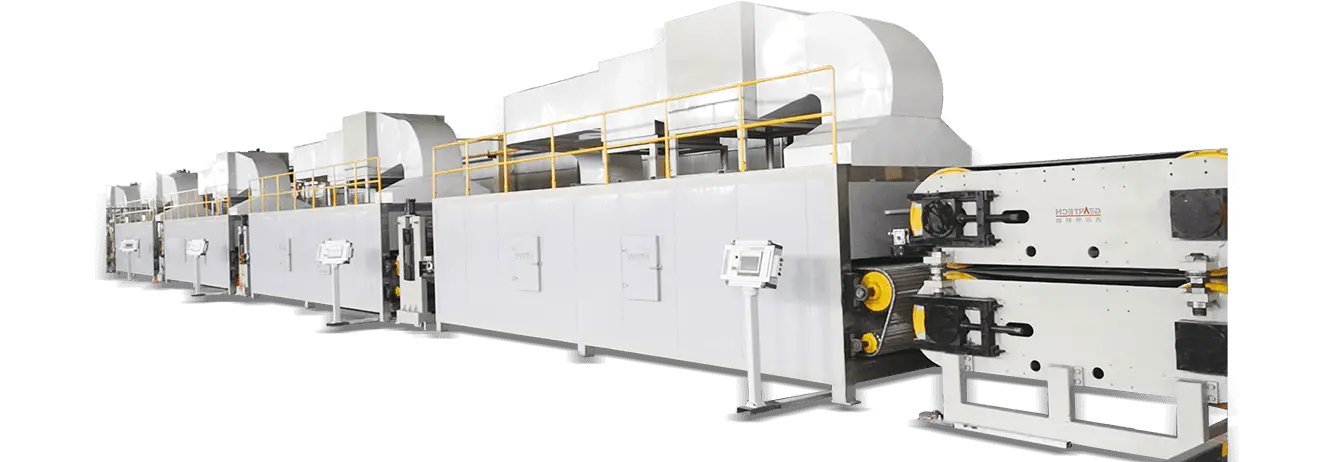
For composite panels, the bond between the aluminum skins and the core is fundamental to finished-product reliability. Uneven pressure, temperature fluctuations, contaminated aluminum surfaces, or poor tension control can contribute to weak bonding, surface defects, or deformation. Current ACP production-line guidance emphasizes controlled lamination pressure and temperature together with proper surface preparation. A practical equipment specification should therefore identify how the line monitors and adjusts these conditions across the working width instead of relying only on operator experience.
Automation Should Solve Real Production Problems
Automation is increasingly valuable when it reduces repetitive manual adjustments and makes production conditions easier to reproduce. PLC-based control, synchronized drives, automatic temperature management, and coordinated cutting can help operators maintain consistent processing conditions. For buyers comparing an automated aluminum composite panel production line, useful questions include whether recipes can be stored for different panel specifications, whether alarms identify process deviations, and whether production parameters can be reviewed during quality investigations. These functions are more meaningful when they directly support quality control and production flexibility rather than simply increasing the number of automated components.
3D Surface Processing Requires Downstream Planning
The production line should also be considered together with post-forming and fabrication equipment. Architectural ACP applications can require grooving, cutting, drilling, folding, or CNC processing after panel production. Recent industry equipment developments highlight the role of CNC ACP processing for V-grooving, cutting, and fabrication of large-format panels. This means buyers should define the finished product before finalizing the production line: equipment designed for flat decorative sheets may not automatically support every 3D panel geometry.
Material Selection Affects Line Configuration
PE-core and fire-retardant ACP products do not have identical processing requirements. Core formulation influences extrusion behavior, bonding conditions, temperature control, and equipment configuration. Buyers supplying different construction markets should clarify the intended product range before choosing an extruder, die, laminating section, and cooling system. This becomes particularly important when a production program includes both general-purpose decorative panels and products requiring specific fire-performance classifications. A properly matched line configuration can reduce unnecessary equipment changes and make production planning easier as product specifications expand.
Quality Control Needs to Be Built into the Workflow
A reliable manufacturing strategy treats inspection as part of production rather than a final-stage activity. Operators can monitor aluminum feeding, core thickness, lamination conditions, panel flatness, edge quality, dimensions, and surface appearance at defined process points. Inline inspection and controlled stacking can also reduce the risk of handling damage before shipment. For overseas procurement teams, documentation such as equipment drawings, process flow diagrams, test procedures, maintenance schedules, and spare-parts recommendations can make commissioning and future troubleshooting more manageable.
Selecting a Manufacturer Around Long-Term Production Needs
From a manufacturer's perspective, equipment selection should begin with the customer's product roadmap rather than a standard machine list. A suitable 3D Aluminum Composite Panel Production Line should be configured around target panel structures, materials, dimensions, surface treatments, automation requirements, and expected order diversity. Buyers should also assess installation support, operator training, process testing, customization capability, and after-sales service. This approach helps manufacturers build a production system that can adapt to changing architectural panel requirements while maintaining repeatable processing conditions and commercially practical operation.


 中文简体
中文简体 English
 Português
 русский
 Español
 عربى
عربى