Improving Material Handling and Production Flow
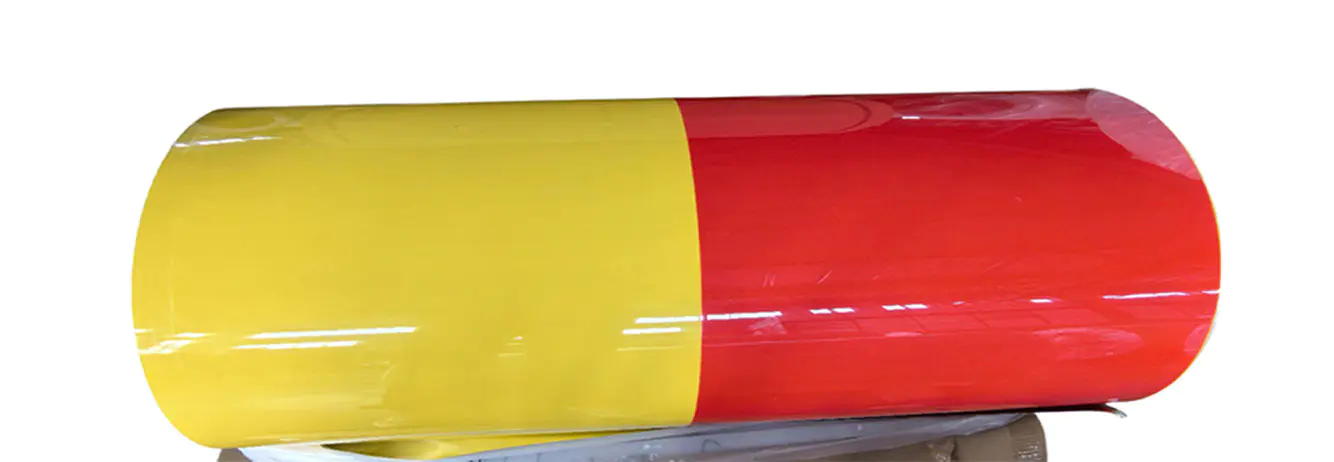
Material preparation is an important part of honeycomb panel manufacturing. Proper handling of core materials and surface layers helps maintain smooth production operations and supports stable product quality.
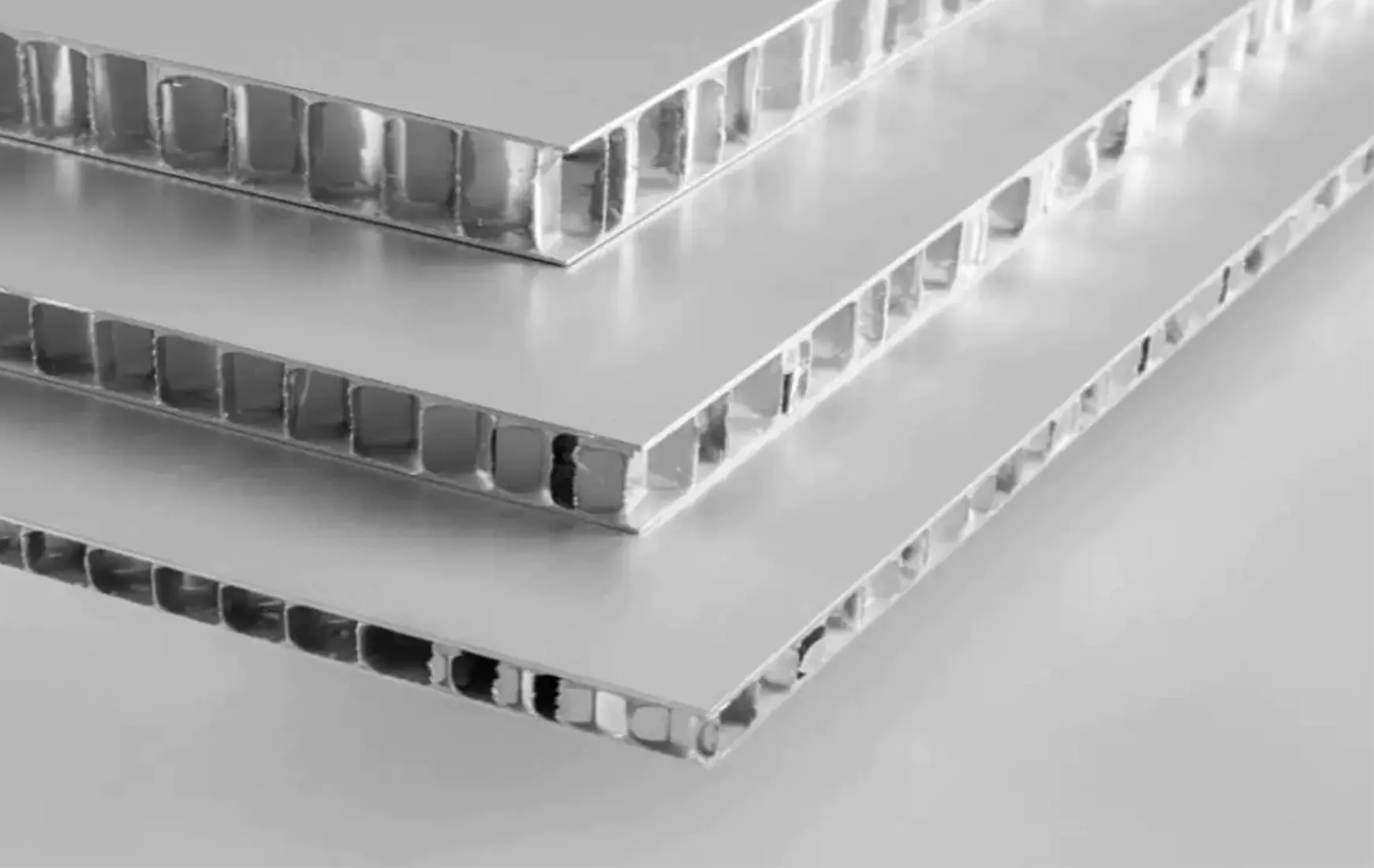
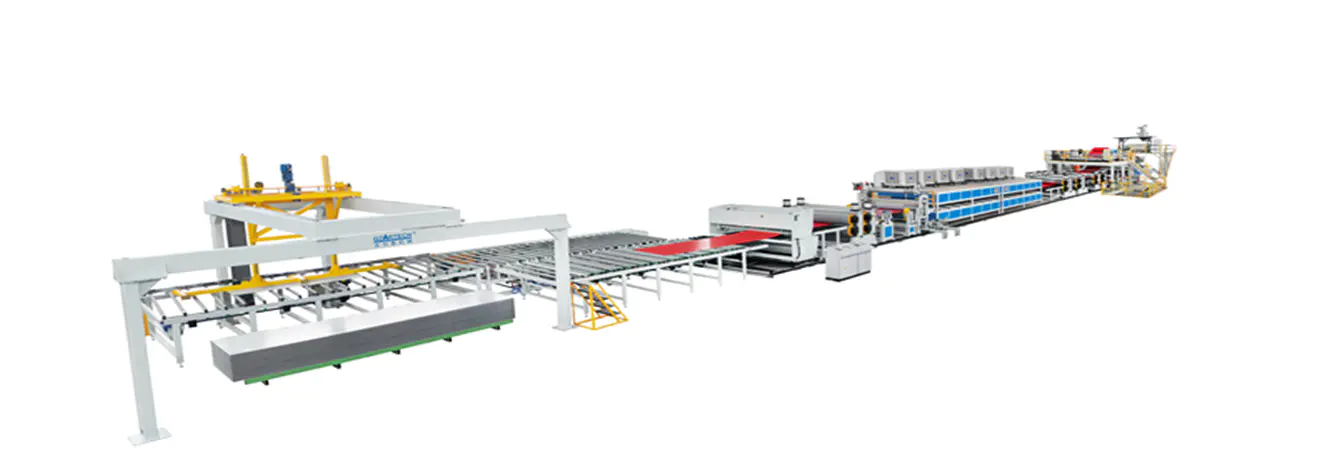
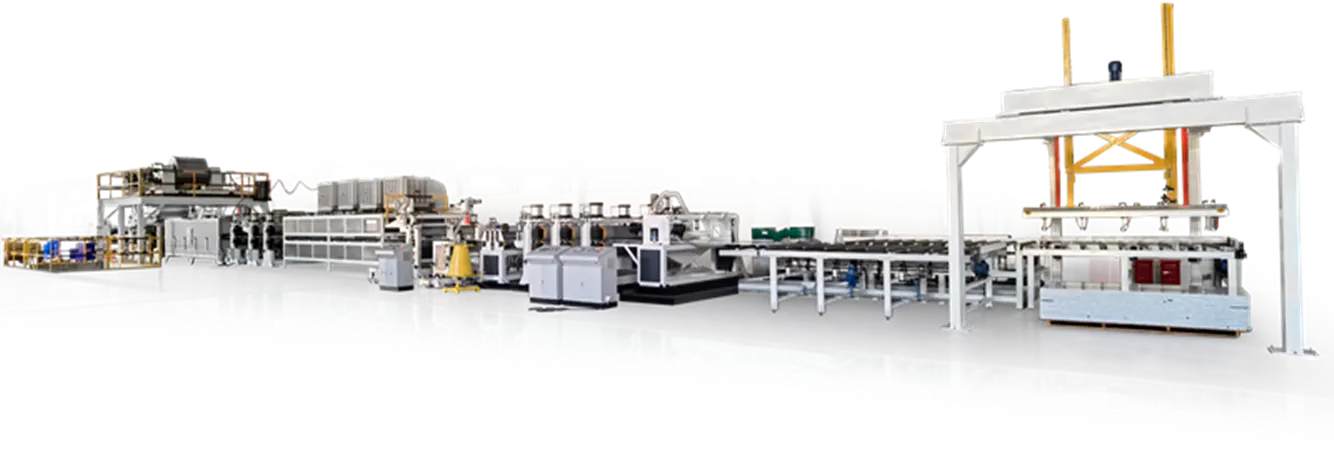
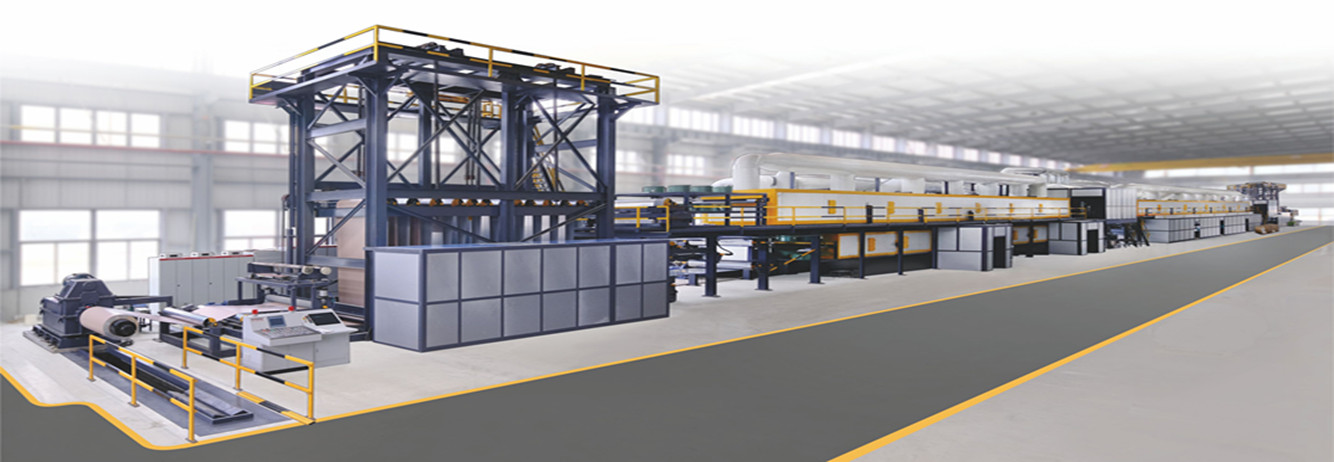
A Honeycomb Panel Production Line integrates different processing stages to create a more organized workflow. Automated material feeding and positioning systems help reduce manual handling during production while improving the connection between different manufacturing steps.
For manufacturers, better material management can reduce production difficulties and help maintain consistent processing conditions. This is especially important when working with different honeycomb cores and composite materials.
Enhancing Bonding and Lamination Processes
Bonding is a key stage in honeycomb panel production because it affects the connection between the core structure and surface materials. Uneven adhesive application or unstable pressing conditions may influence the final performance of the panel.
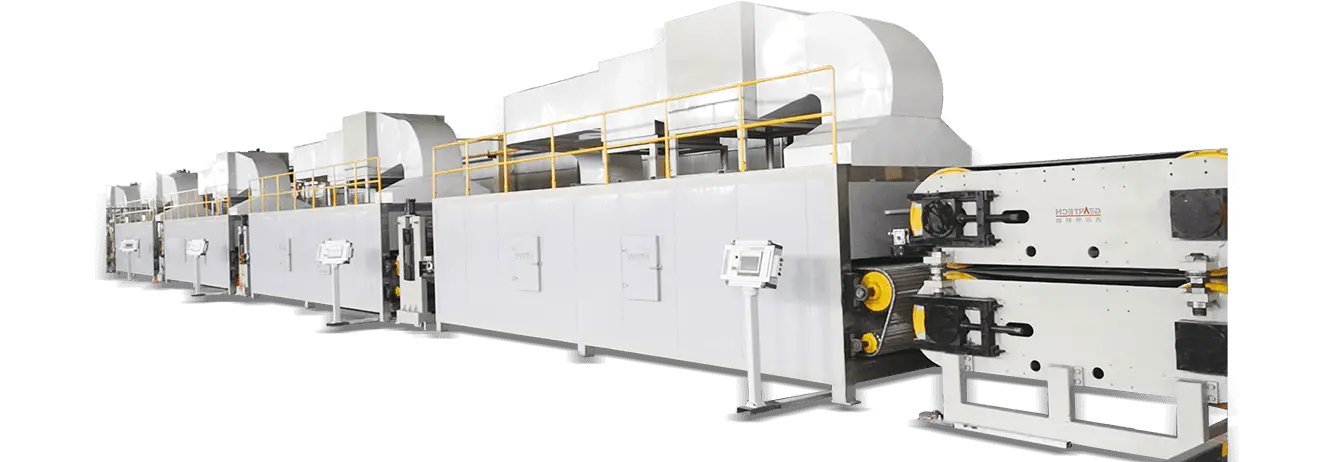
A suitable Honeycomb Panel Production Line supports controlled adhesive coating, accurate material positioning, and stable lamination procedures. These processes help manufacturers improve bonding consistency and produce panels with reliable structures.
For engineering teams, improved bonding management also provides better control over production parameters. By optimizing this stage, manufacturers can reduce process variations and create products that meet different application requirements.
Reducing Production Challenges Through Equipment Upgrades
Many manufacturers are looking for ways to improve production management and reduce operational difficulties. Traditional production methods may require more manual coordination, which can increase management complexity.
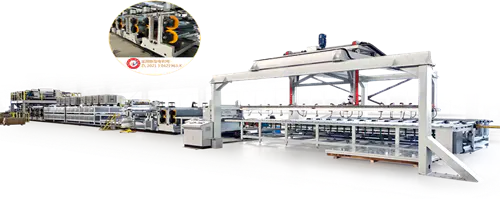
A Honeycomb Panel Production Line helps simplify manufacturing processes by combining multiple production stages into an integrated system. This approach allows operators to manage production tasks more efficiently and improve communication between different processing steps.
Equipment upgrades can also support better production planning. With improved process organization, manufacturers can manage resources more effectively and create a smoother manufacturing environment.
Strengthening Quality Control During Production
Quality control is an important consideration for honeycomb panel manufacturers. Factors such as panel dimensions, bonding conditions, surface quality, and cutting accuracy need careful management throughout the production process.
A well-structured Honeycomb Panel Production Line helps manufacturers monitor important processing stages and maintain stable manufacturing conditions. Better process control allows production teams to identify possible issues and make timely adjustments.
For companies supplying panels to different industries, consistent production quality helps build trust with customers and supports long-term business cooperation.
Simplifying Operation and Maintenance Management
Besides production performance, equipment operation and maintenance are also important factors when selecting manufacturing systems. Easy operation and practical maintenance procedures can help factories maintain stable production activities.
A properly designed Honeycomb Panel Production Line allows operators to understand production steps more clearly and manage daily operations more conveniently. Regular maintenance planning can also support equipment reliability and extend service life.
For manufacturers, a well-managed production system creates better conditions for continuous improvement and efficient factory operation.
Creating Efficient Honeycomb Panel Manufacturing Solutions
The development of composite materials and growing application demands are encouraging manufacturers to improve their production methods. Process optimization, equipment integration, and better production management are becoming important parts of modern honeycomb panel manufacturing.
A Honeycomb Panel Production Line helps companies improve manufacturing processes by supporting organized workflows, stable processing, and flexible production arrangements. With continuous improvements in production technology, manufacturers can develop more suitable solutions for different industries and create a stronger foundation for future composite panel applications.


 中文简体
中文简体 English
 Português
 русский
 Español
 عربى
عربى