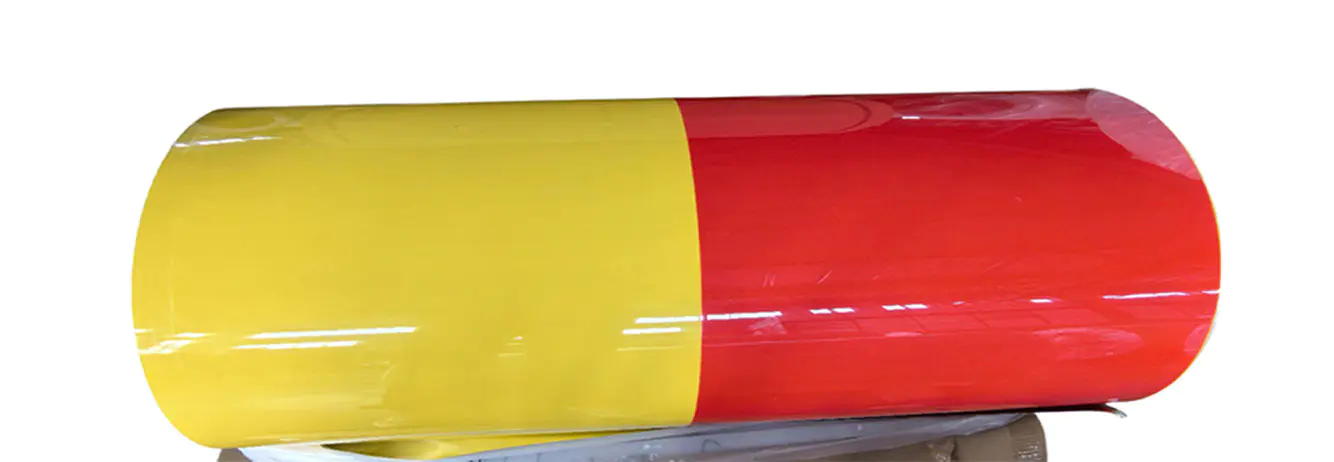
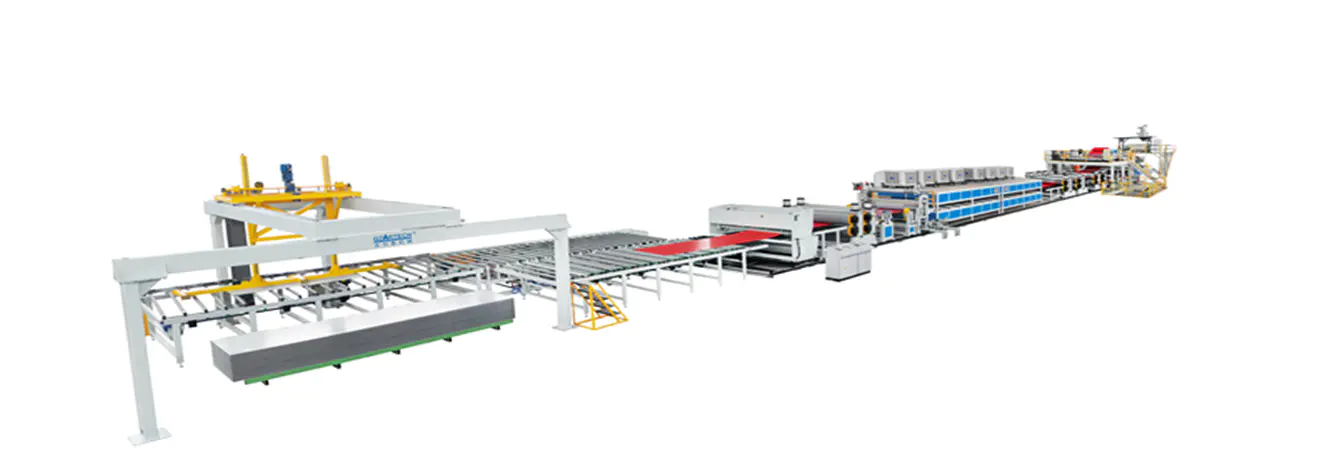
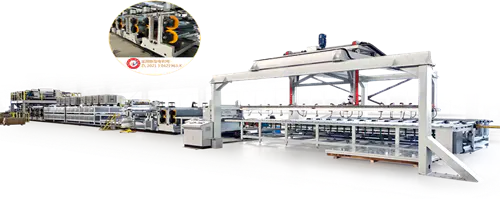
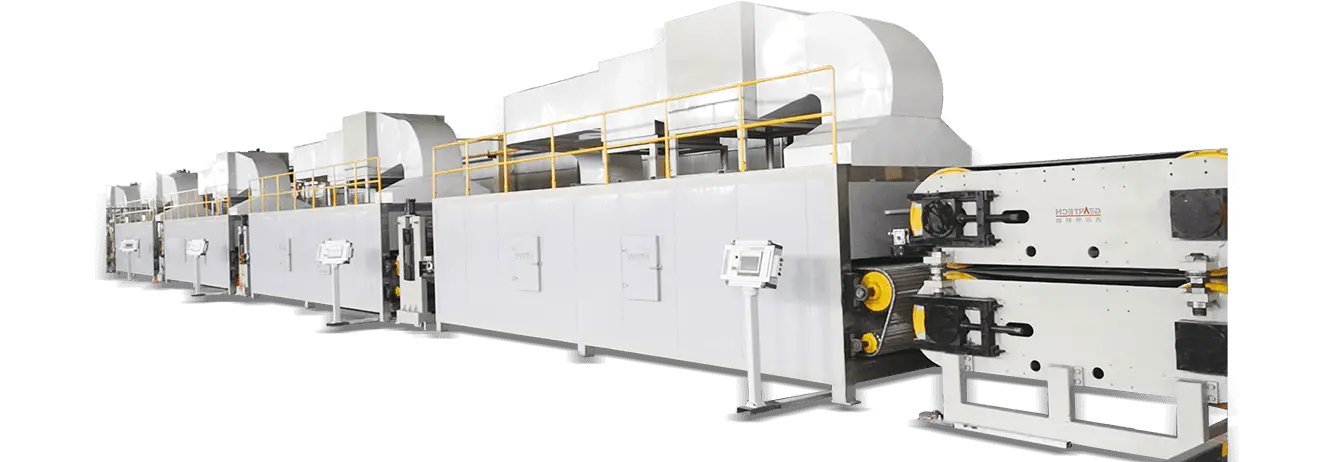
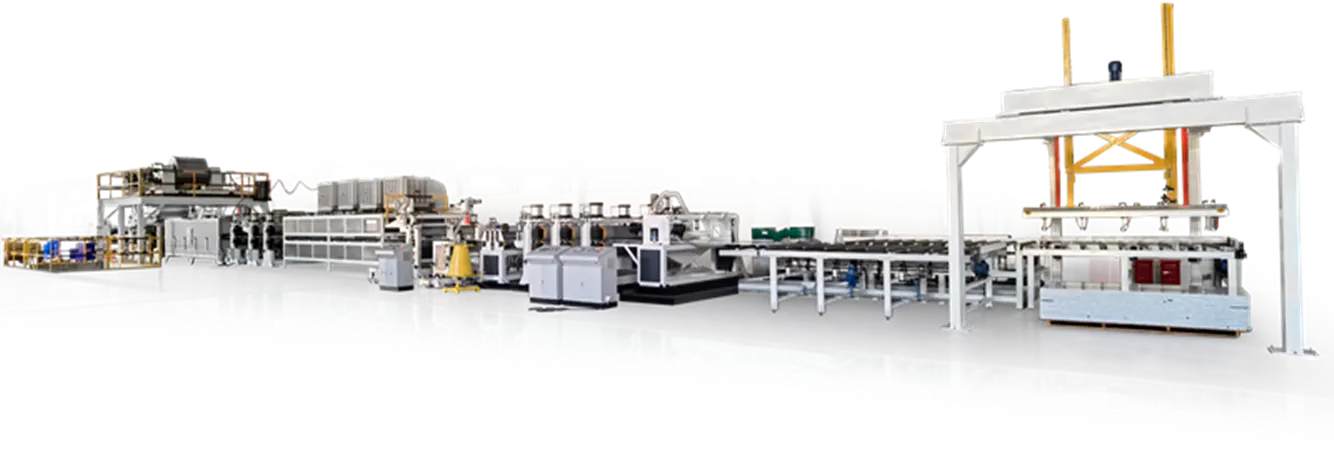
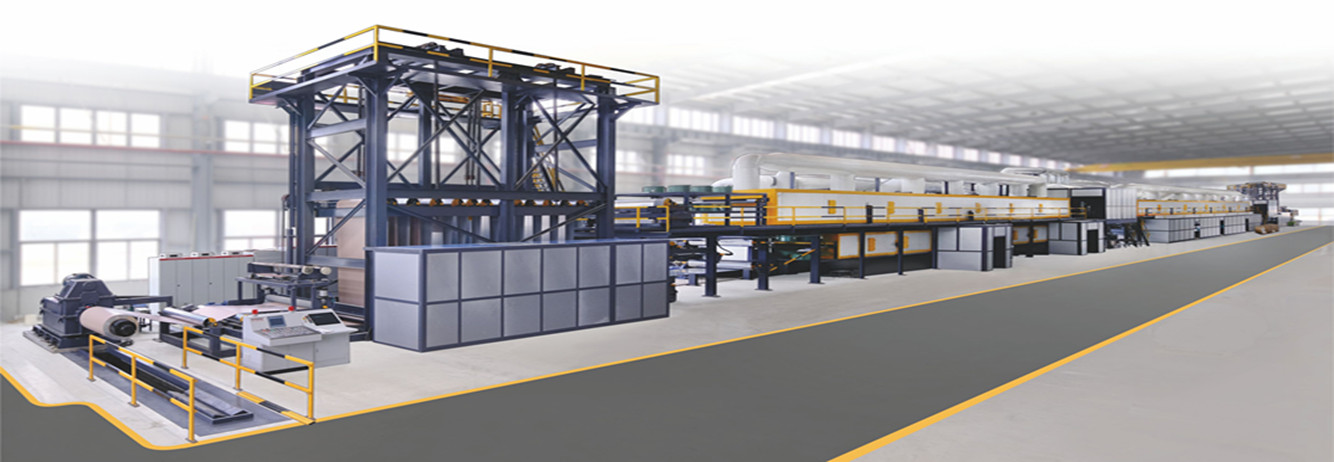
Architectural projects are placing greater emphasis on distinctive surfaces, shaped elements, and customized panel dimensions. For manufacturers, this means production equipment must handle more than long runs of standardized flat panels. A 3D Aluminum Composite Panel Production Line can support a wider range of panel designs when its forming, laminating, cooling, cutting, and control systems are properly matched. For overseas buyers, the focus is increasingly shifting toward production flexibility, specification changes, material compatibility, and how efficiently one line can support different customer orders.
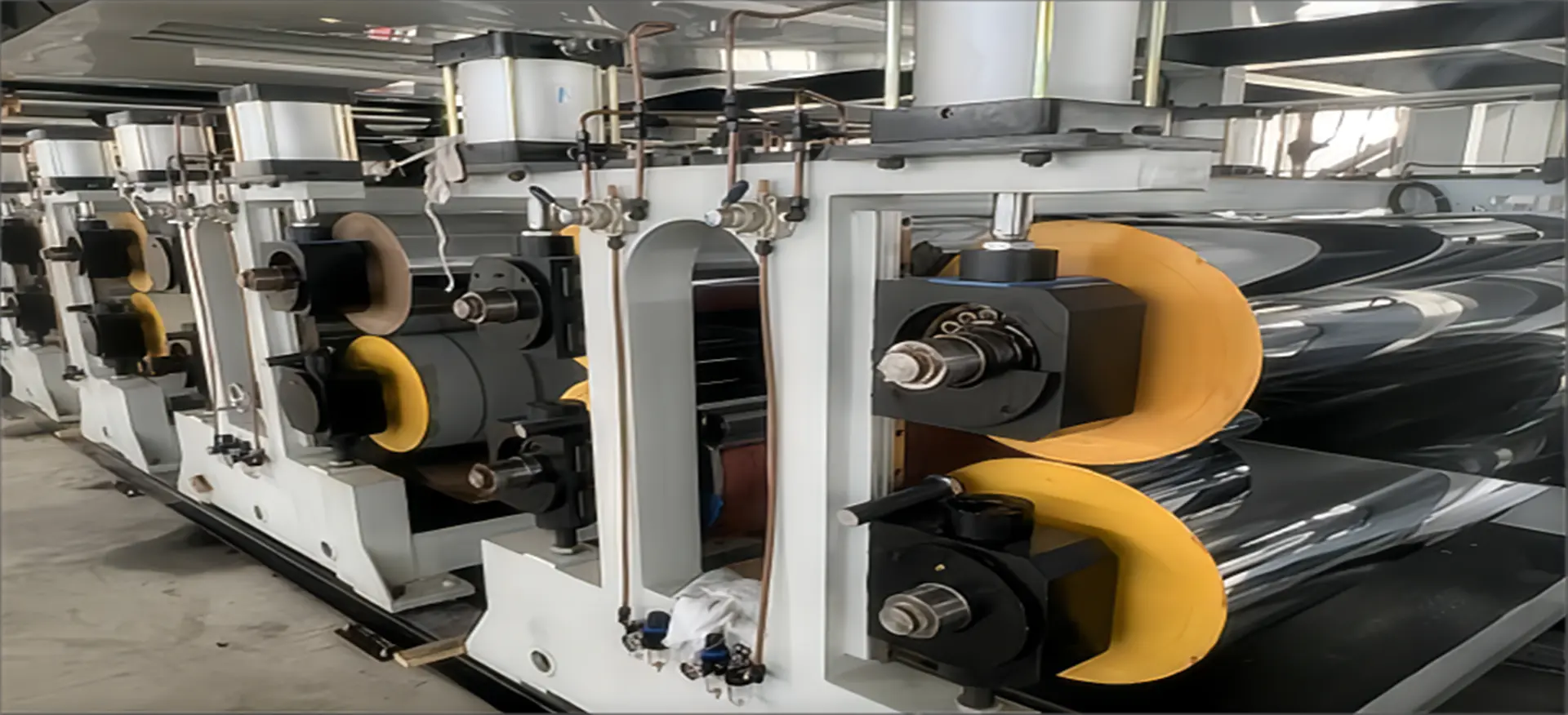
Growing Demand for Customized Panel Formats
Standard panels remain important, but architectural contractors and distributors may also require panels with different dimensions, textures, grooves, embossed effects, or three-dimensional structures. These orders can create production pressure when equipment is configured around only one fixed specification.
A flexible production system allows manufacturers to respond to changing requirements without creating a completely separate manufacturing process for every panel type. Before purchasing equipment, buyers should identify the range of panel widths, thicknesses, core materials, and surface treatments they expect to handle.
Changeover Efficiency Matters in Daily Production
Frequent specification changes can affect productivity when operators need to spend excessive time adjusting equipment manually. The practical value of automation is therefore closely connected to changeover management.
A suitable line can coordinate operating parameters across multiple sections, including:
- Material feeding speed and tension.
- Extrusion and lamination conditions.
- Forming parameters.
- Cooling settings.
- Cutting length and production speed.
When these functions are integrated through a centralized control system, operators can manage different production requirements with fewer disconnected adjustments. This is particularly useful for manufacturers handling customized or medium-volume orders.
Material Compatibility Should Be Confirmed Early
Different aluminum composite panel structures can require different processing conditions. Aluminum thickness, core formulation, surface coating, and bonding characteristics may influence extrusion, lamination, forming, and cooling.
For procurement teams, material testing should therefore be discussed before equipment specifications are finalized. Providing representative raw materials and finished-panel requirements to the equipment manufacturer can help determine whether the proposed configuration is suitable for the intended production range.
This step can also reduce the risk of purchasing a line that performs well with one material combination but requires substantial modification when the product portfolio expands.
Forming Accuracy Affects Downstream Fabrication
A three-dimensional panel is not finished when it leaves the forming section. Many architectural products still require cutting, grooving, drilling, folding, or CNC machining before installation.
Inconsistent panel dimensions or deformation can create difficulties during these downstream processes. Maintaining stable forming conditions and controlled cooling can therefore contribute to more predictable fabrication results.
Manufacturers should evaluate the production line as a connected workflow. Feeding, composite bonding, forming, cooling, cutting, and subsequent machining should work toward the same finished-product specifications instead of being treated as isolated operations.
Production Control Helps Manage Repeat Orders
Repeatability becomes particularly important when buyers manufacture panels for multiple projects. Customers may reorder the same specification months after the original production run, requiring manufacturers to reproduce the relevant process conditions.
A digital control system can make this task more manageable by allowing operators to record and reuse established settings. Monitoring temperature, line speed, material feeding, and other operating parameters also provides useful information when investigating production deviations.
The objective is not simply to automate every operation, but to make important production conditions easier to control and reproduce.
Maintenance Should Be Considered Before Installation
Equipment selection should include maintenance requirements from the beginning. Components exposed to heat, pressure, continuous movement, or material contact require regular inspection and appropriate replacement planning.
Overseas buyers should request information about recommended spare parts, maintenance intervals, lubrication requirements, electrical components, and operator training. Clear technical documentation can also simplify communication between the equipment supplier and the buyer's maintenance team after installation.
A Flexible Line Can Support Product Expansion
From a manufacturer's perspective, production equipment should be selected according to both current products and realistic future requirements. A 3D Aluminum Composite Panel Production Line configured around flexible material handling, coordinated process control, forming requirements, and downstream fabrication can give manufacturers more room to respond to customized architectural panel orders.
For buyers comparing suppliers, the useful evaluation is therefore not based on a single machine specification, but on whether the complete production system can match their materials, product range, quality requirements, and planned manufacturing development with a practical 3D Aluminum Composite Panel Production Line solution.


 中文简体
中文简体 English
 Português
 русский
 Español
 عربى
عربى