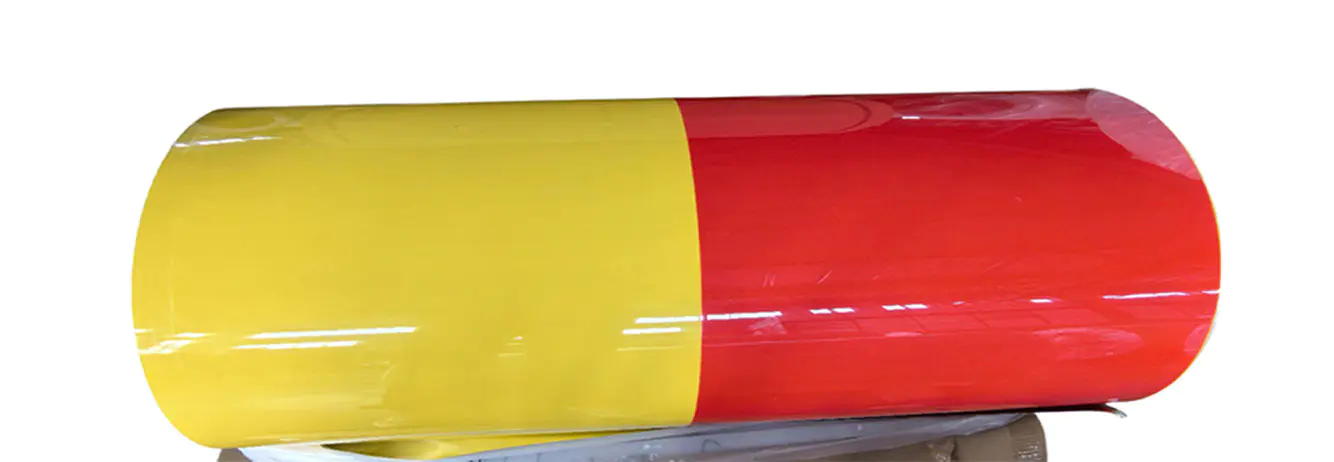
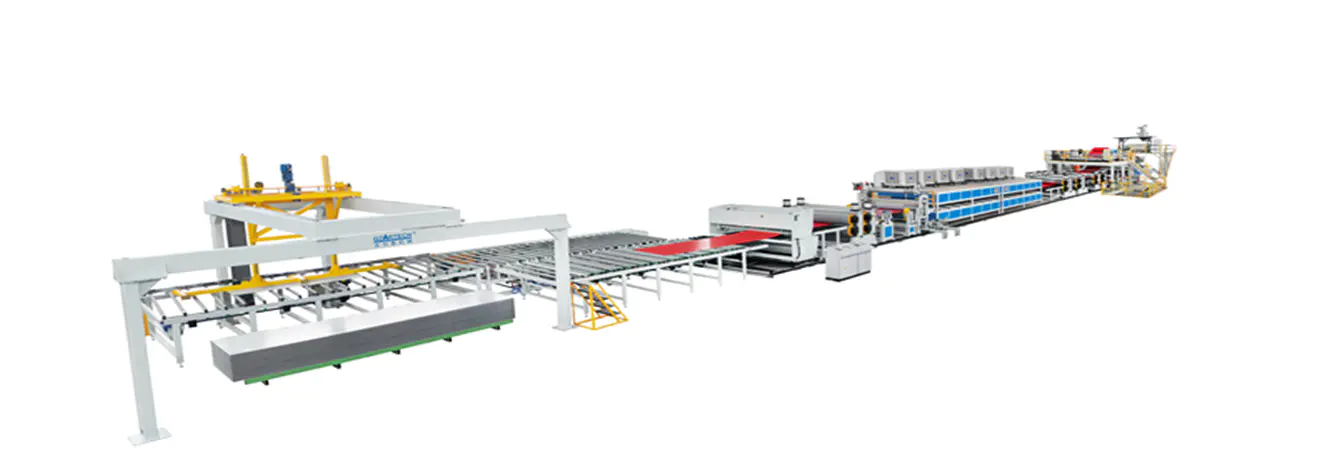
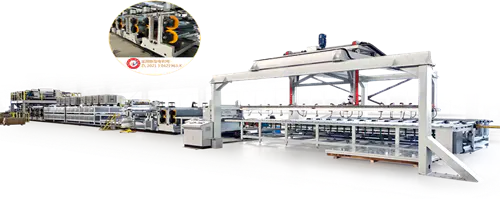
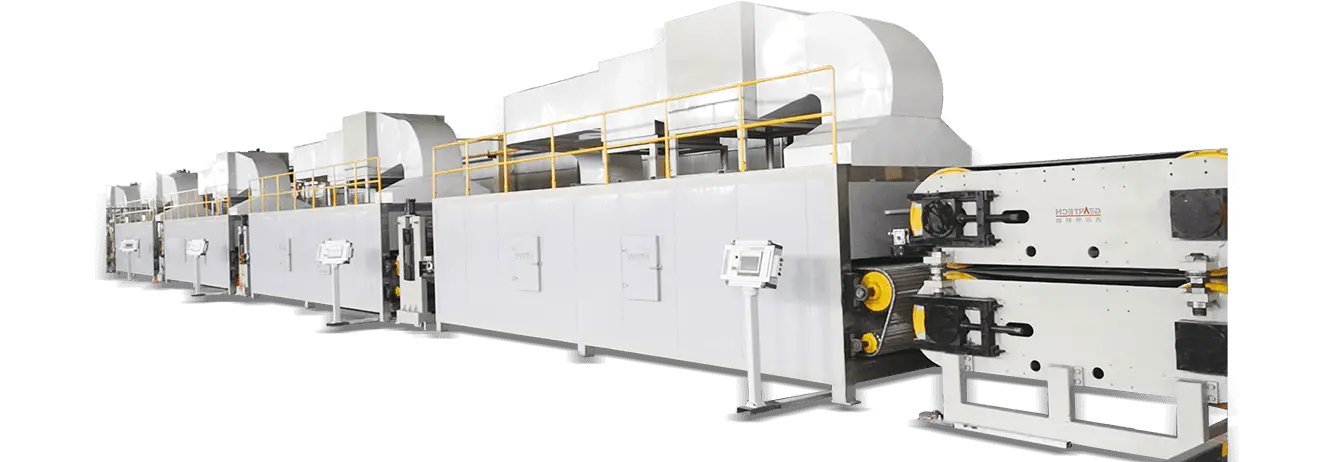
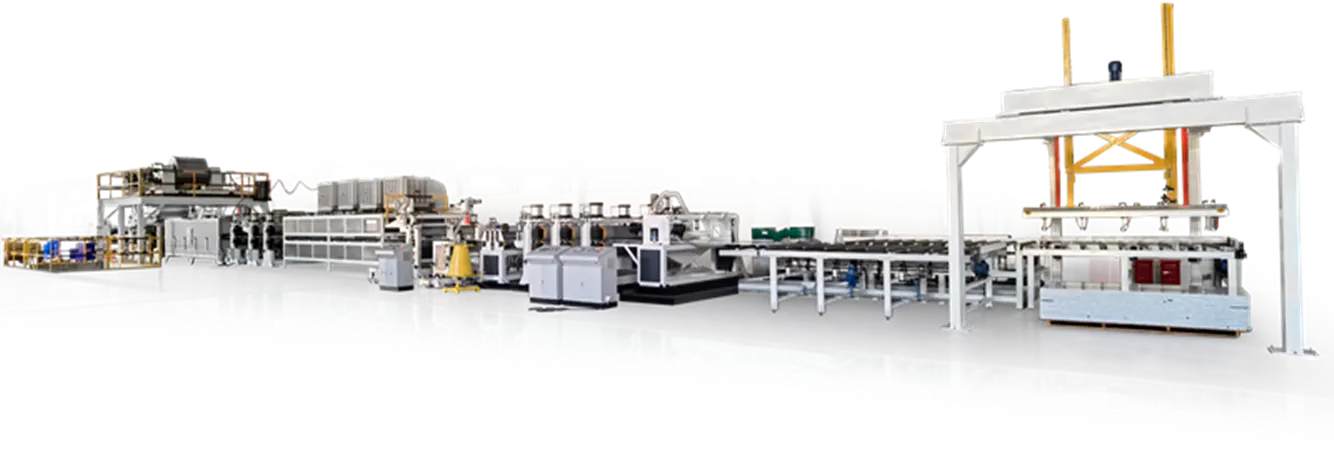
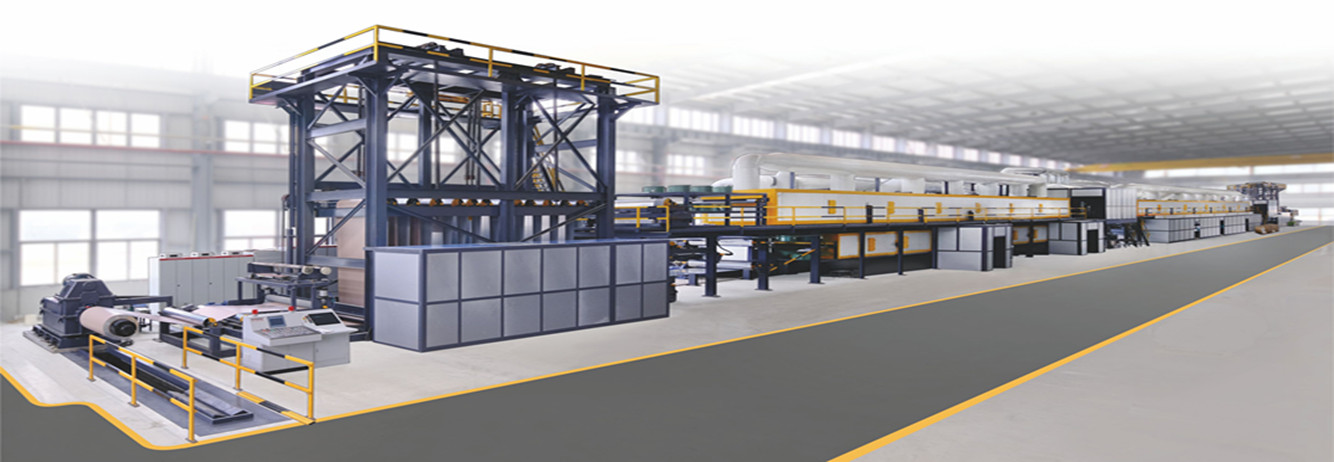
Rising production costs and increasing competition in the architectural panel market are encouraging manufacturers to review every stage of their production process. Energy consumption, raw material utilization, equipment stability, and maintenance requirements are becoming important factors when companies invest in new manufacturing systems. A 3D Aluminum Composite Panel Production Line can help manufacturers improve production management by integrating multiple processes, reducing unnecessary adjustments, and supporting more controlled panel manufacturing.
Energy Management Becomes a Key Production Consideration
Energy consumption is an important part of daily manufacturing operations, especially for continuous production equipment that includes heating, extrusion, lamination, and cooling processes. An efficient production line should allow manufacturers to monitor operating conditions and adjust energy usage according to actual production requirements.
For overseas buyers, equipment evaluation should include more than the initial machine configuration. Important considerations include heating system control, temperature stability, motor efficiency, and whether the control system can help operators identify abnormal conditions. Better process management can contribute to more predictable operating costs during long-term production.
Reducing Material Waste Through Accurate Processing
Material waste can directly influence production profitability. In aluminum composite panel manufacturing, losses may occur during feeding, trimming, cutting, specification changes, and quality adjustments.
A properly configured production system can help reduce unnecessary material consumption through accurate tension control, stable feeding, precise cutting, and coordinated operation between different sections. For manufacturers producing customized 3D panels, this becomes especially important because irregular designs and multiple specifications require better control over raw materials.
Process Integration Simplifies Production Management
Traditional production setups may require operators to coordinate several independent machines, creating challenges in maintaining consistent production conditions. An integrated aluminum composite panel production line connects major processes into a coordinated workflow.
The main production sections usually work together, including:
- Aluminum and core material feeding.
- Composite bonding and lamination.
- Forming and shaping.
- Cooling and stabilization.
- Cutting and panel collection.
When these processes communicate effectively, operators can manage production more efficiently and respond faster to changes in product requirements.
Stable Forming Supports Product Quality
3D architectural panels often require more attention to forming accuracy compared with standard flat panels. Small variations during forming can affect appearance, installation accuracy, and further processing.
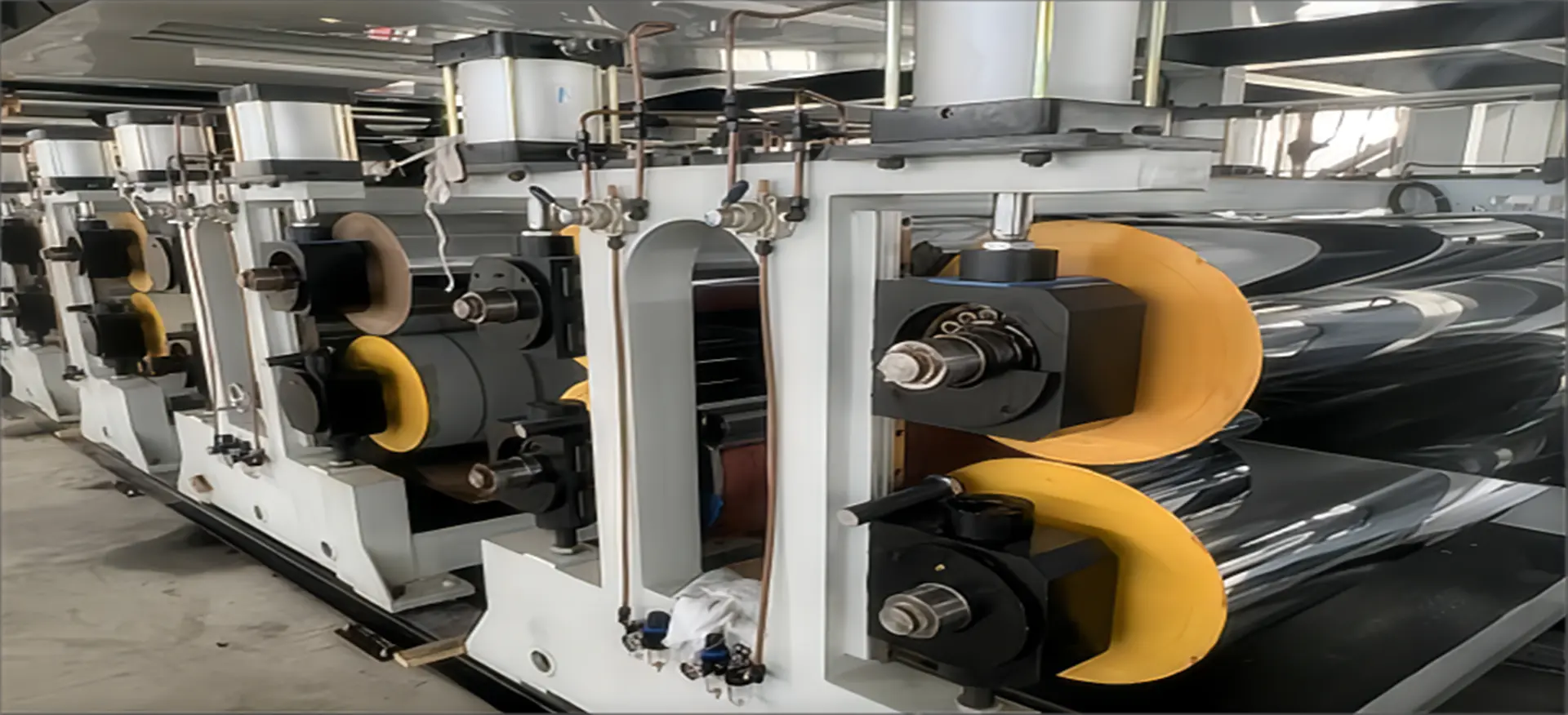
Manufacturers should consider whether the production line provides stable pressure control, consistent material movement, and suitable cooling performance. These factors influence the final panel structure and help maintain quality during repeated production cycles.
For buyers sourcing equipment internationally, discussing real application requirements with the manufacturer before installation can help avoid configuration problems after delivery.
Maintenance Planning Supports Long-Term Operation
Production efficiency is closely connected with equipment reliability. Unexpected downtime can interrupt delivery schedules and increase operational pressure.
A practical maintenance strategy includes regular inspection of heating components, transmission systems, electrical controls, and material-contact parts. Equipment suppliers that provide technical documentation, spare parts recommendations, and operator guidance can make daily maintenance easier for overseas production teams.
Automation Helps Balance Efficiency and Flexibility
Automation is becoming a practical requirement for manufacturers that need to handle different panel orders while maintaining stable production. Modern control systems can store production parameters, monitor key operating conditions, and support faster adjustments between product specifications.
For companies producing architectural panels, the goal is not simply to add more automation but to create a manufacturing environment where operators can maintain quality while managing different customer demands.
Building a More Adaptable Manufacturing System
From a manufacturer's perspective, the value of a production line should be measured by how well it supports real production challenges. A 3D Aluminum Composite Panel Production Line designed around material control, energy management, process coordination, and flexible operation can help manufacturers improve daily efficiency while preparing for changing market requirements.
For overseas buyers, selecting equipment based on long-term production needs rather than short-term specifications can create a more stable foundation for future business growth with a practical 3D Aluminum Composite Panel Production Line solution.


 中文简体
中文简体 English
 Português
 русский
 Español
 عربى
عربى