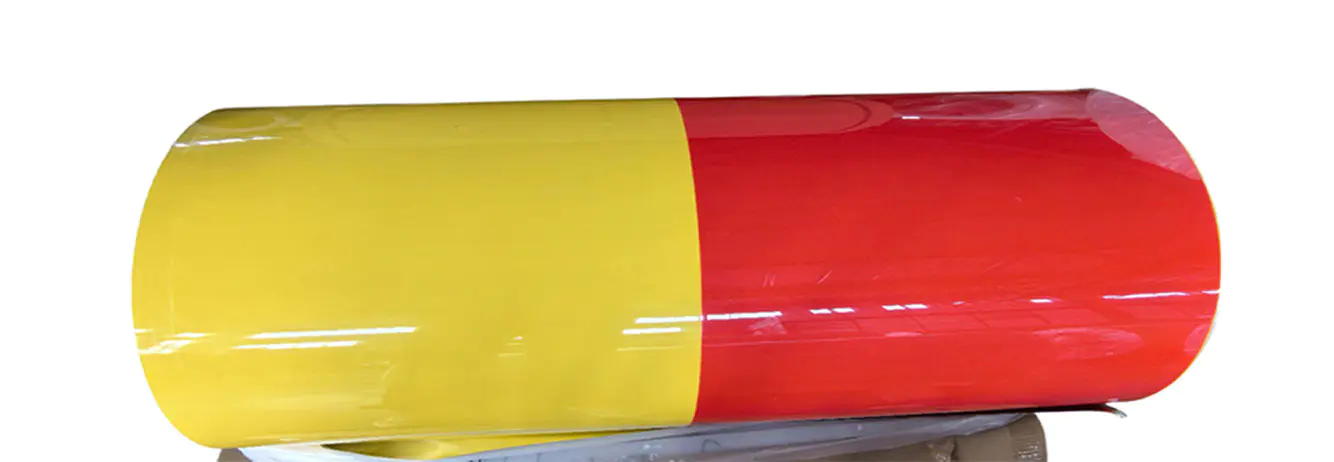
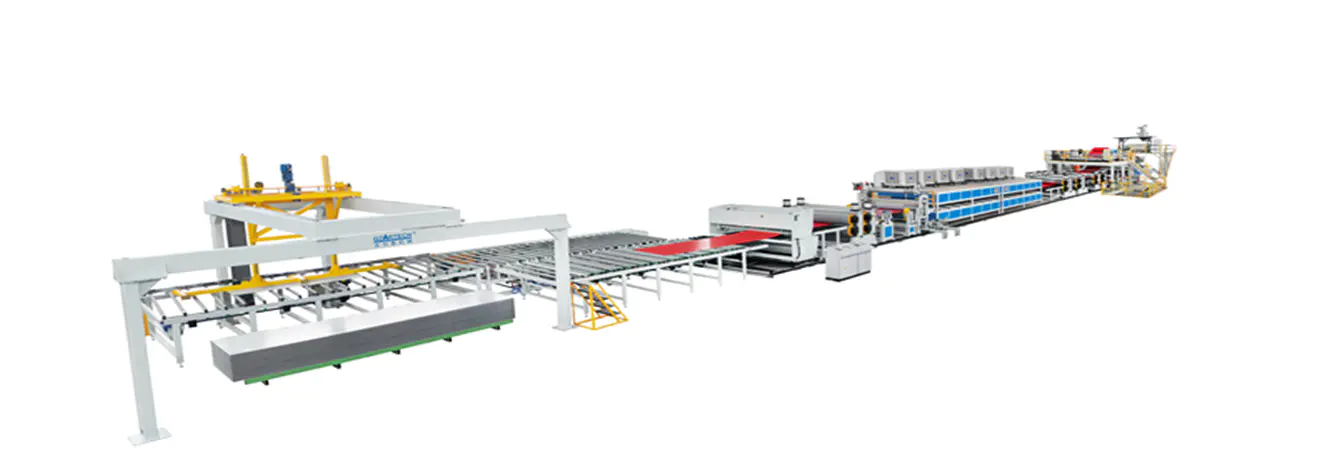
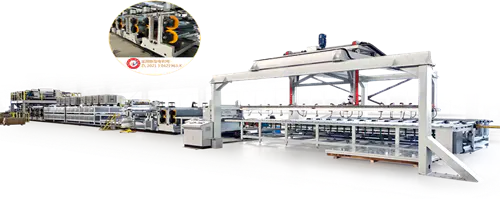
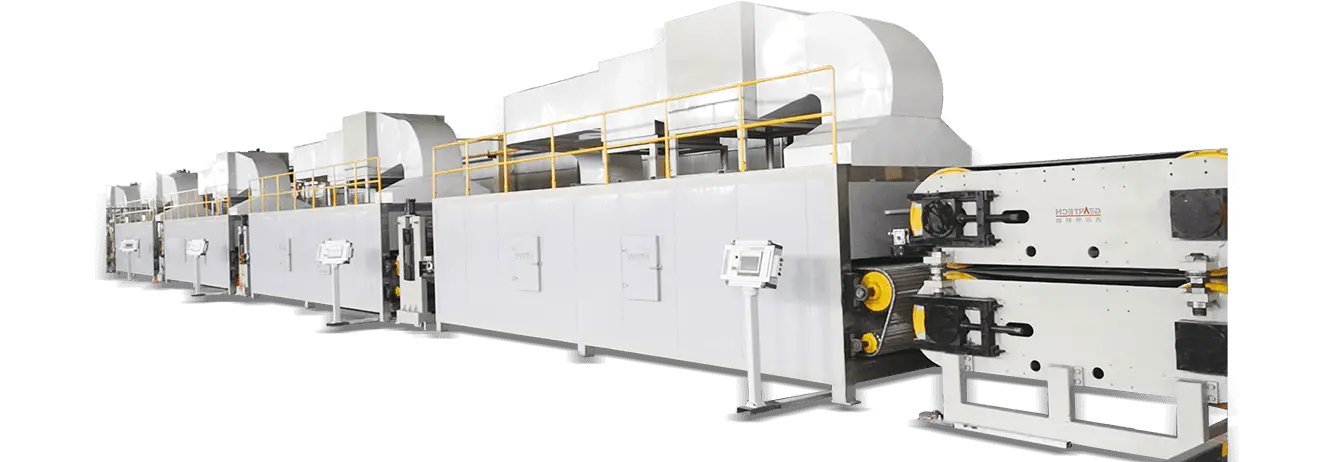
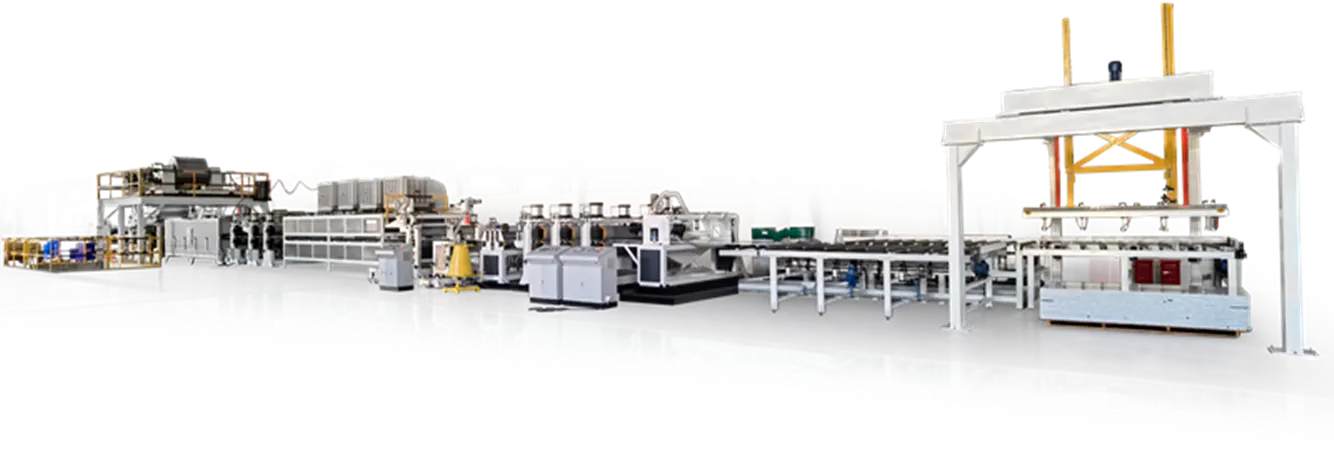
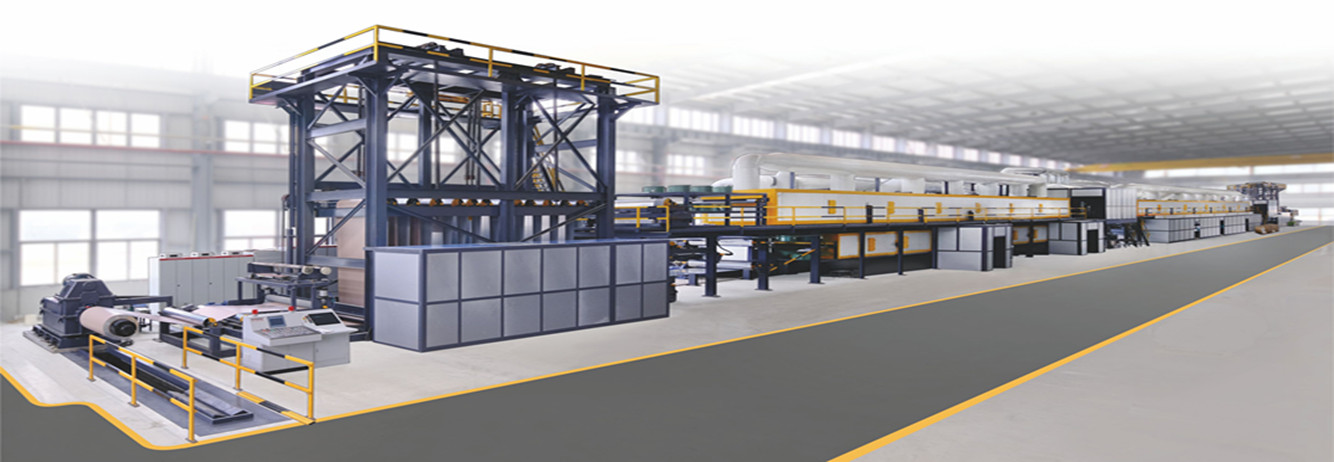
Architectural projects are increasingly using shaped and textured panels to create distinctive exterior and interior surfaces. This trend brings new requirements for panel producers, especially when conventional flat-panel processes cannot provide the required geometry or consistency. A 3D Aluminum Composite Panel Production Line gives manufacturers an integrated approach to producing shaped panels while managing feeding, bonding, forming, cooling, and finishing processes.
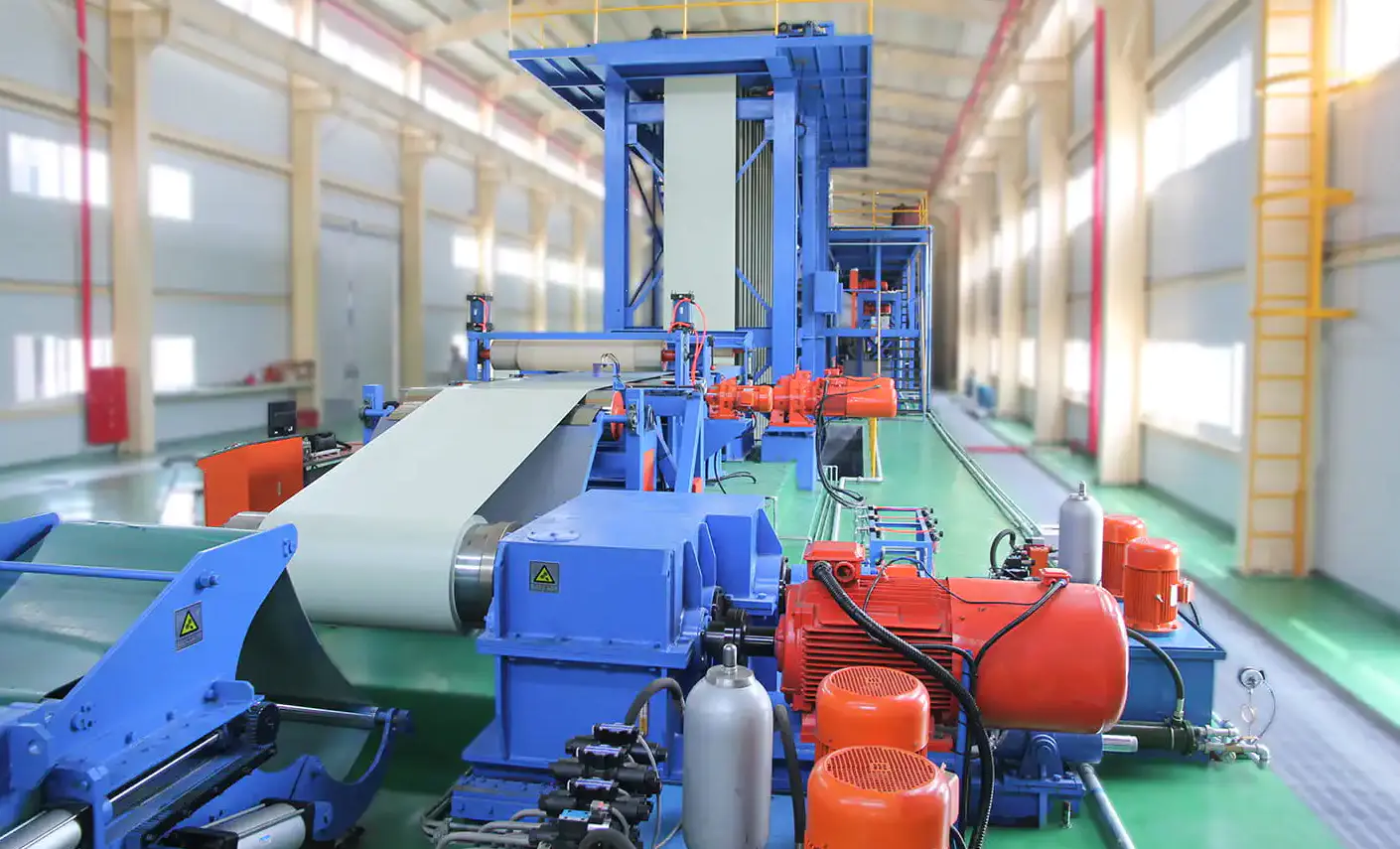
Material Selection Comes Before Equipment Configuration
The panel structure directly affects production requirements. Aluminum thickness, core material, surface coating, and forming depth can all influence how the material behaves during processing. Choosing equipment before confirming these factors may create unnecessary adjustments later.
As a production equipment manufacturer, we recommend defining the intended panel structure and application first. The line can then be configured around the actual material combination and finished-panel requirements, helping manufacturers establish a more stable production process.
Stable Feeding Supports Consistent Panel Quality
Three-dimensional panels are more sensitive to material movement than standard flat products. Feeding instability can affect alignment, bonding, and subsequent forming operations. Small variations may become more noticeable once the panel reaches the forming or trimming stage.
A practical production line should therefore maintain controlled material feeding and smooth transfer between processing sections. This helps reduce unnecessary interruptions and gives operators better control over panel consistency during continuous production.
Bonding and Cooling Need to Work Together
Bonding quality is closely connected with process conditions. If the bonding stage is not properly coordinated with heating and cooling, manufacturers may encounter problems such as uneven bonding, deformation, or dimensional changes.
For this reason, production planning should consider lamination and cooling as connected processes rather than isolated machine functions. The right configuration depends on the selected core material, aluminum layers, panel structure, and required finished characteristics.
Forming Accuracy Affects Final Applications
The main difference between flat and 3D panels is the final geometry. Architectural panels may require specific curves, textures, folds, or other shaped surfaces, making forming accuracy an important production consideration.
Manufacturers should evaluate:
- Required panel geometry and forming method.
- Dimensional consistency between production batches.
- Surface protection during forming.
- Compatibility with downstream cutting and fabrication.
Matching the forming process to the finished application can help reduce material waste and avoid problems during installation.
Surface Finish Matters to Architectural Buyers
Panel appearance is often directly connected with the customer's perception of product quality. Scratches, coating defects, uneven surfaces, and processing marks can create problems for projects where panels remain highly visible.
Material handling should therefore be considered throughout the production line. Protective measures, appropriate transfer methods, and controlled processing conditions can help maintain the appearance of coated aluminum surfaces during manufacturing.
Flexible Lines Support Product Development
Overseas panel producers may serve several markets, including building facades, interior decoration, commercial spaces, signage, and customized architectural projects. These applications can require different panel structures and surface designs.
Instead of designing equipment around only one product specification, manufacturers can discuss the expected product range with the equipment supplier before configuration. A flexible production concept can make it easier to introduce new panel designs without completely changing the manufacturing workflow.
What Manufacturers Should Confirm Before Ordering
Before selecting equipment, purchasing and engineering teams should clarify the production requirements with the line supplier. Important points include:
- Panel structure: aluminum layers, core material, thickness, and surface requirements.
- Process requirements: feeding, lamination, cooling, forming, trimming, cutting, and material handling.
- Quality targets: bonding consistency, dimensional accuracy, surface appearance, and finished-panel stability.
- Future needs: potential changes in panel designs, materials, and application markets.
A 3D Aluminum Composite Panel Production Line should be selected according to the complete manufacturing process rather than individual machines. When material compatibility, forming requirements, bonding, cooling, and finishing are considered together, manufacturers can build a production workflow that better matches their products and customer requirements. From an equipment manufacturer's perspective, this process-based approach also provides a practical foundation for developing reliable 3D aluminum composite panels for different architectural applications.


 中文简体
中文简体 English
 Português
 русский
 Español
 عربى
عربى