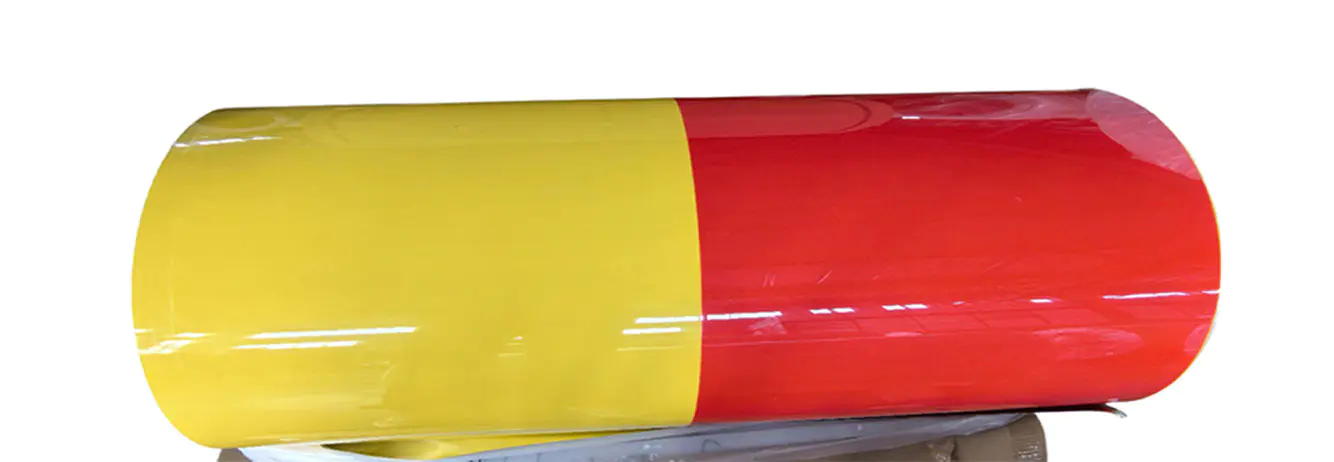
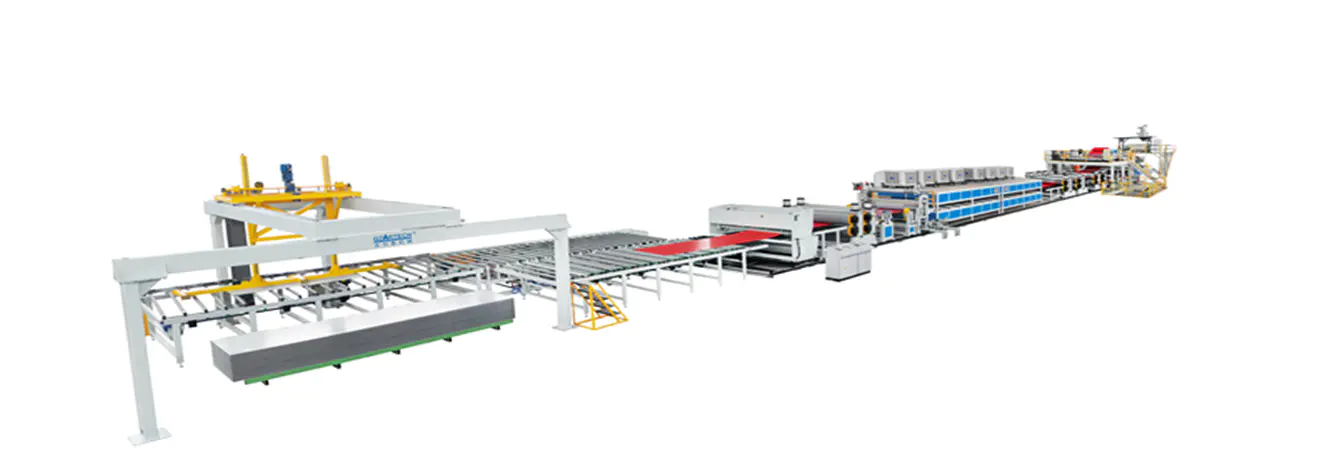
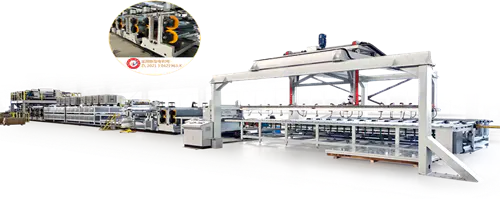
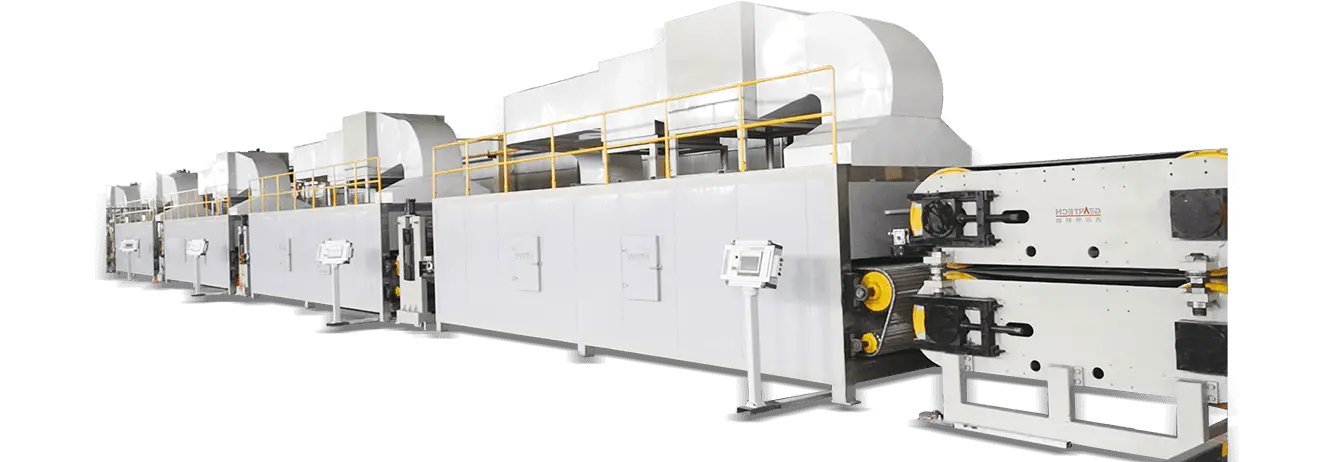
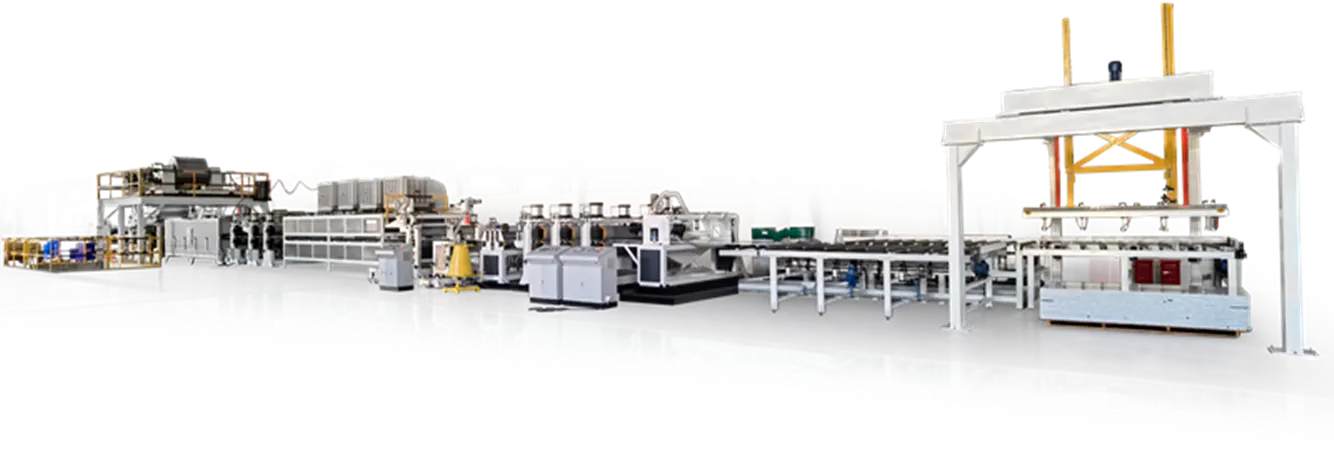
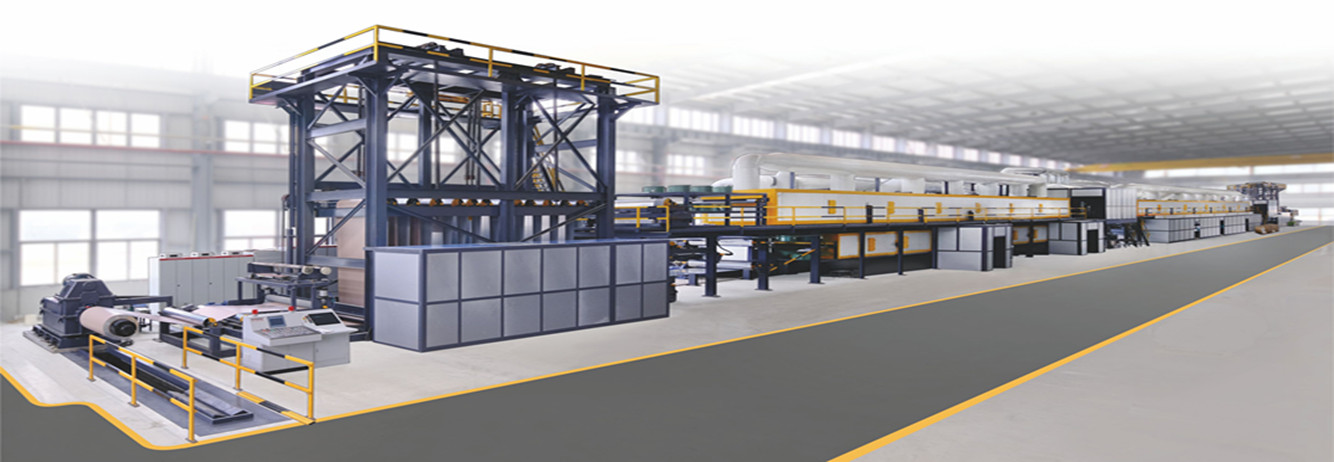
For manufacturers serving architectural cladding, signage, interior decoration, and related markets, an ACP Line is not simply a collection of machines. It is a connected production system covering material feeding, core processing, lamination, cooling, trimming, and cutting. Recent industry discussions are placing more attention on fire-performance requirements, recyclable materials, surface finishes, and flexible production because buyers need equipment that can adapt to changing product specifications without creating avoidable quality problems.
Start With the Finished Panel, Not the Machine List
One common mistake when planning an aluminum composite panel production line is choosing equipment before defining the products to be manufactured. Panel thickness, aluminum skin, core formulation, coating, width, surface finish, and final application can all influence the line configuration. A manufacturer planning standard decorative panels may have different requirements from one supplying façade or fire-retardant products.
Buyers should prepare a product specification sheet before discussing equipment. Defining the target panel range helps the engineering team match the extruder, laminating section, cooling system, trimming unit, and cutting equipment to the actual production plan.
Stable Lamination Is a Core Quality Issue
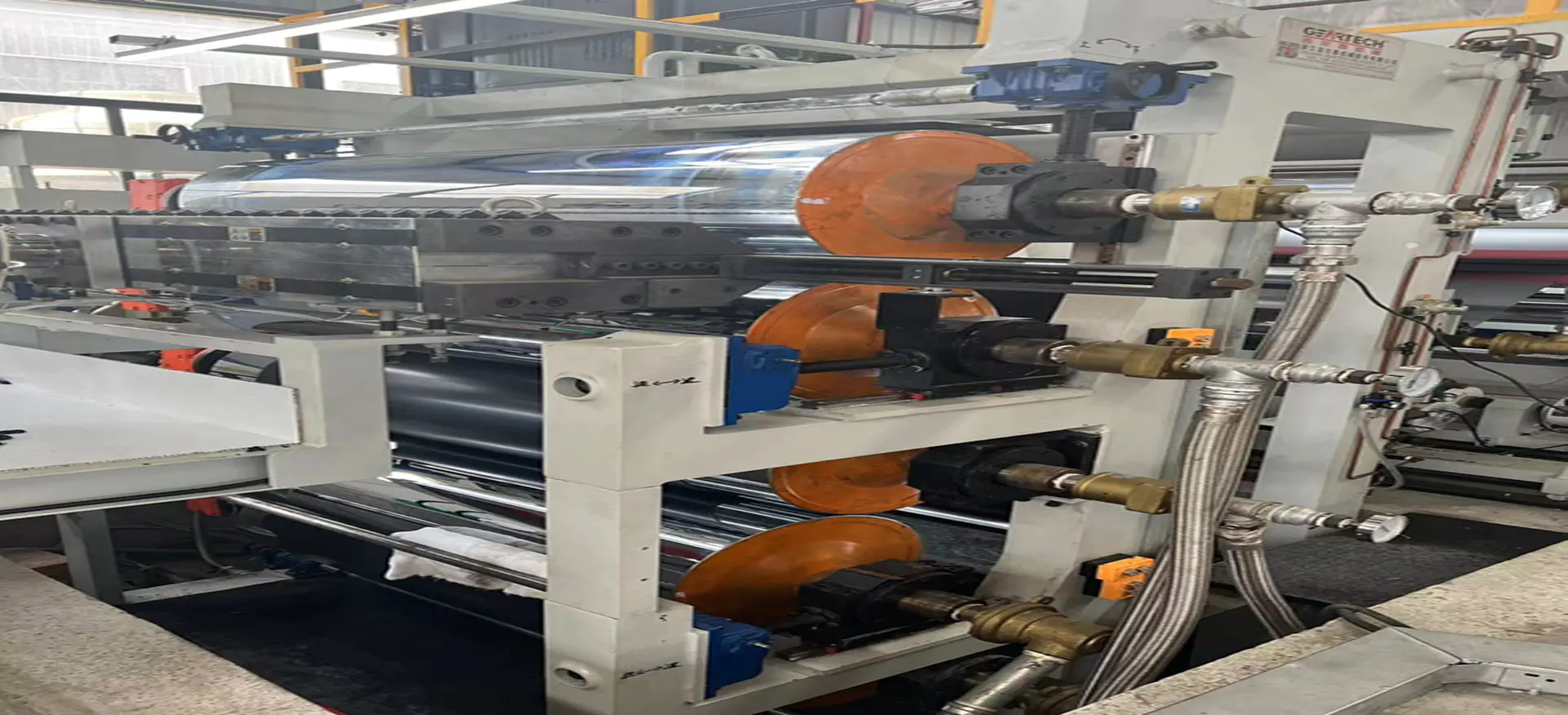
In ACP manufacturing, bonding quality directly affects the finished panel. Temperature, pressure, web tension, surface cleanliness, and material alignment need to remain within the process conditions required by the selected materials. If one stage becomes unstable, defects may appear later as delamination, uneven surfaces, dimensional variation, or edge problems.
A practical production line should make process conditions easy to monitor and adjust. Equipment selection should focus on how the complete line maintains coordinated operation rather than evaluating one machine in isolation.
Fire Performance Is Changing Equipment Decisions
Fire safety has become an important consideration for architectural panel manufacturers in several markets. Government guidance in Victoria identifies certain aluminum composite panels with combustible cores as combustible cladding materials, while current industry analysis points to growing interest in mineral-core and fire-retardant ACP products.
This does not mean every market requires the same panel structure. Manufacturers should identify the target market and applicable product requirements before finalizing the core material and processing configuration. An ACP Line intended to support multiple core formulations may need flexibility in extrusion, temperature control, bonding, and cooling.
Automation Should Make Production Easier to Control
Automation is useful when it solves practical production problems. Coordinated drives, temperature monitoring, PLC-based controls, synchronized feeding, and adjustable processing parameters can help operators reproduce established settings across different orders.
For buyers, useful questions include whether production settings can be adjusted for different panel specifications, whether abnormal process conditions can be identified quickly, and whether operators can make controlled changes during product switching. These functions can be more valuable than automation added only for appearance.
Plan for Coating, Finishing, and Downstream Fabrication
The production line should also fit the way panels will be finished and used. Current market analysis covers applications including building cladding, interior decoration, signage, and transportation-related products. Different applications can place different demands on coating, surface appearance, panel dimensions, and downstream fabrication.
Manufacturers should consider the complete workflow, including trimming, cutting, protective film application, grooving, folding, and inspection where applicable. Planning downstream operations with the main line can make material handling and production flow easier to coordinate.
Sustainability Is Becoming Part of Production Planning
Material recovery is receiving more attention in ACP manufacturing. Industry examples show that production residues and construction-site panel waste can be separated and directed into recycling processes, including recovery of aluminum and reuse of selected core materials.
For equipment buyers, this creates a practical question: how will production scrap be collected, separated, and handled? A factory layout can reserve space for scrap management and material recovery instead of treating waste handling as an afterthought.
Choose a Line Around Long-Term Product Flexibility
A sound equipment decision starts with the manufacturer's product roadmap. Instead of selecting an ACP Line only around a target output figure, buyers should examine material compatibility, process control, changeover requirements, maintenance access, operator workload, and future product development.
As an equipment manufacturer, we recommend discussing the intended panel range, core materials, surface requirements, target markets, and downstream processes before finalizing the line configuration. A properly matched ACP Line can provide a practical foundation for stable production while leaving room to respond to new panel specifications and customer requirements.


 中文简体
中文简体 English
 Português
 русский
 Español
 عربى
عربى