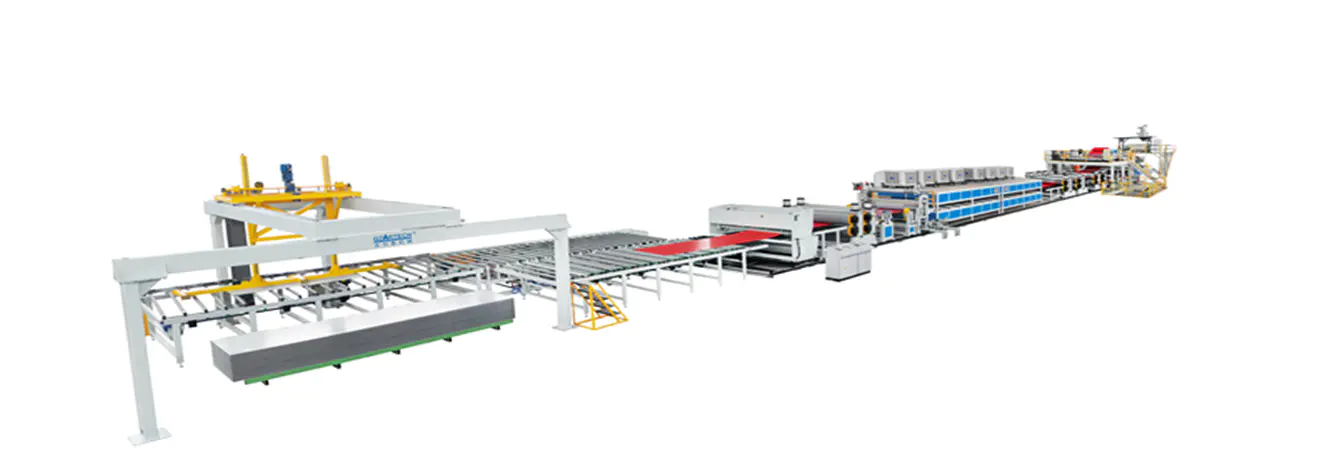
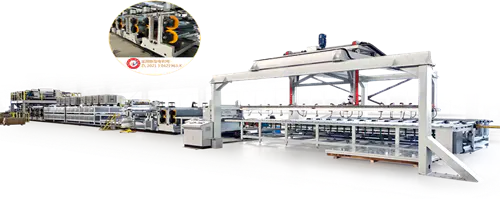
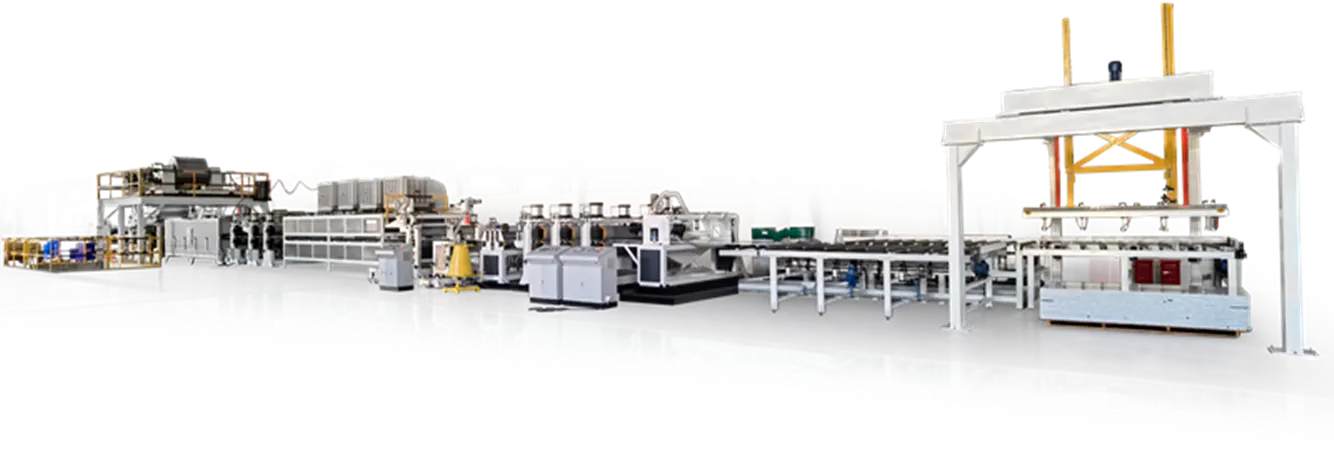
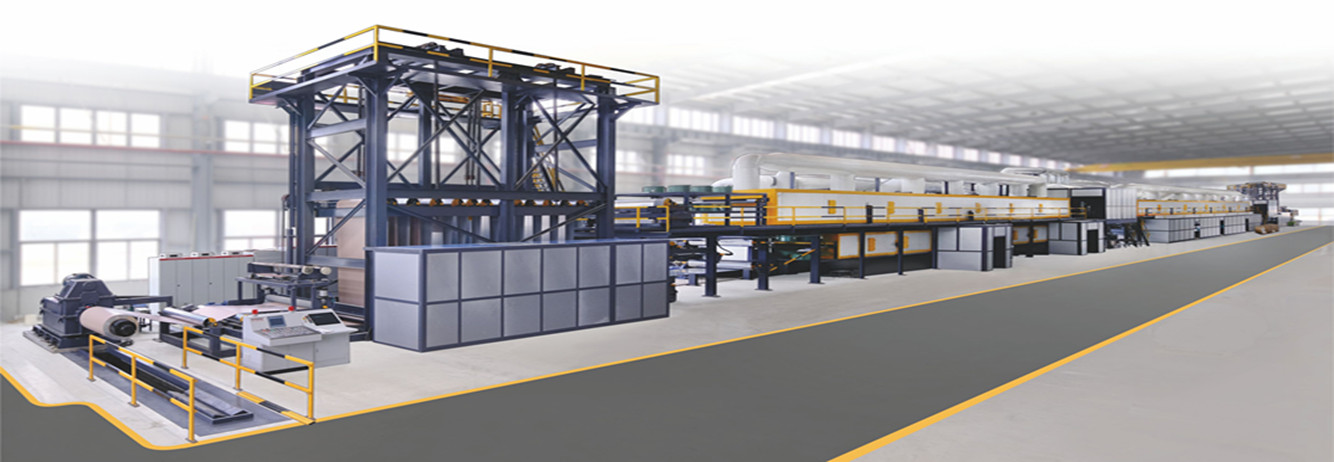
Many construction teams exploring façade improvements have started to evaluate how an ACP Line interacts with broader Aluminum Composite Material Engineering, especially when structural reliability and installation stability are part of the project requirements. As façade materials become more diverse—ranging from coated aluminum coils to three-dimensional metal sheets—the way these materials are engineered has a direct influence on how buildings respond to long-term environmental and mechanical stresses.
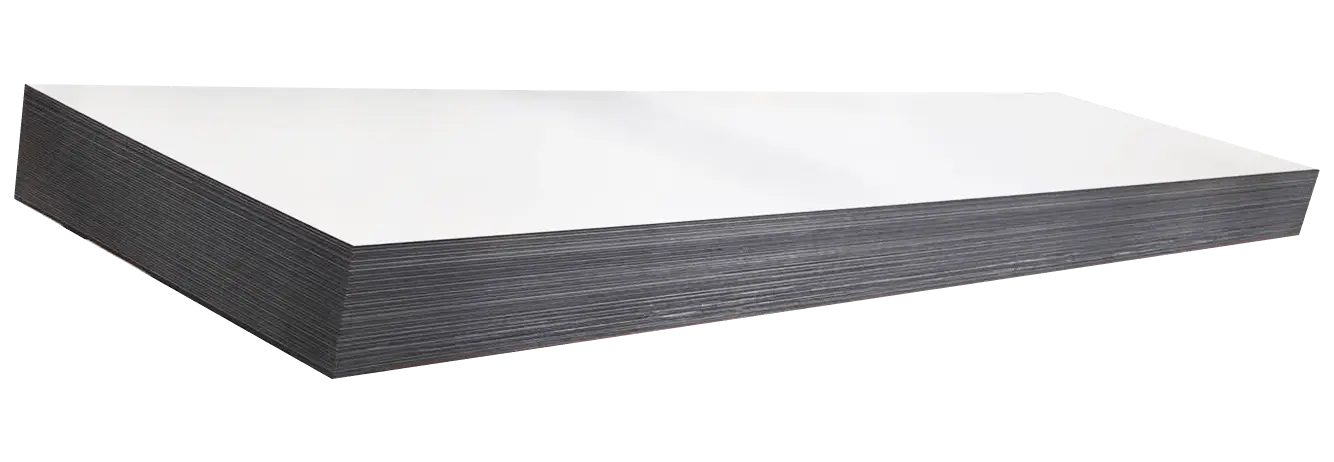
Supporting Dimensional Stability Through Controlled ACP Line Processing
A key concern for architects and contractors is whether ACP panels maintain predictable dimensions during installation. Deviations in width, flatness, or bonding strength can cause joint gaps, surface unevenness, or frame misalignment. The ACP Line addresses this by adopting controlled parameters such as screw diameter, center height, and regulated production speeds. For example, equipment models like JET-FH-1300 and JET-FH-1600 operate within a steady 0–6 m/min range, allowing production teams to match the processing pace with material thickness, coating requirements, or surface treatments.
Consistent panel width—whether 800 mm or extended beyond 1600 mm—helps installers work with fixed structural spacing. Such uniformity supports safe façade assembly, especially where panels must connect with curtain wall systems, reinforcement sub-frames, or insulated wall layers. When panel size remains steady across batches, the risk of misalignment decreases, which contributes to a more predictable installation workflow.
Enhancing Material Behavior Through Controlled Layer Bonding
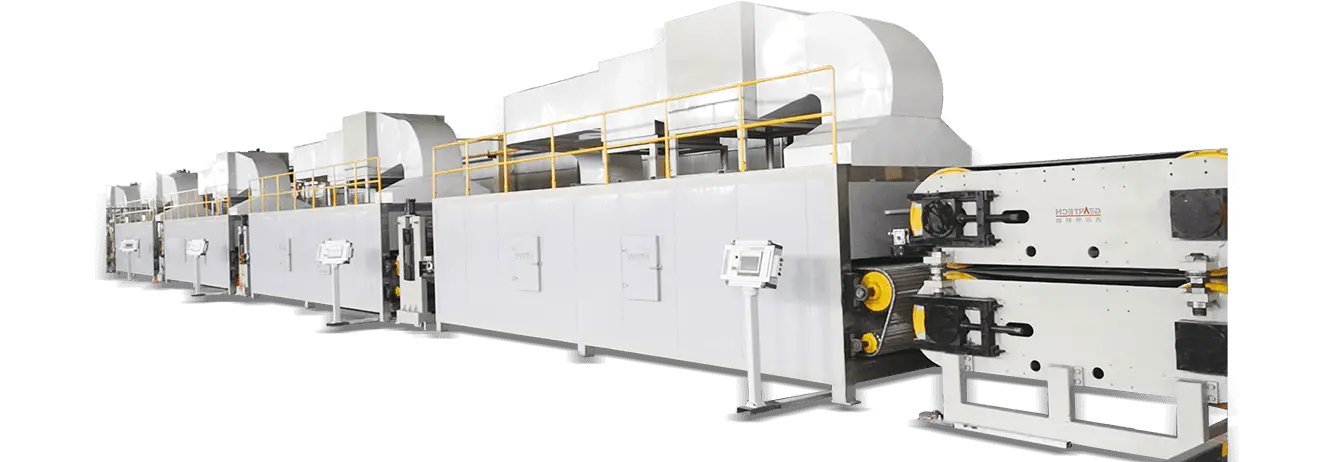
Aluminum Composite Material Engineering places emphasis on bonding consistency between the aluminum layers and the core. Uneven bonding can weaken panel stiffness, causing potential deformation under wind load or thermal movement. Because the ACP Line stabilizes heating sections, lamination pressure, and tension control, it helps panels maintain their internal structure.
For building façades, especially high-rise or wide-span applications, this stability supports safer performance under repeated wind cycles. The bonding quality also affects bending behavior. Panels with balanced internal stress respond more predictably during routing and folding, lowering the chance of cracks at corners or edges. This supports installers who need accurate folding depths for cassette systems or curved architectural surfaces.
Reducing Structural Risks Through Surface Treatment Consistency
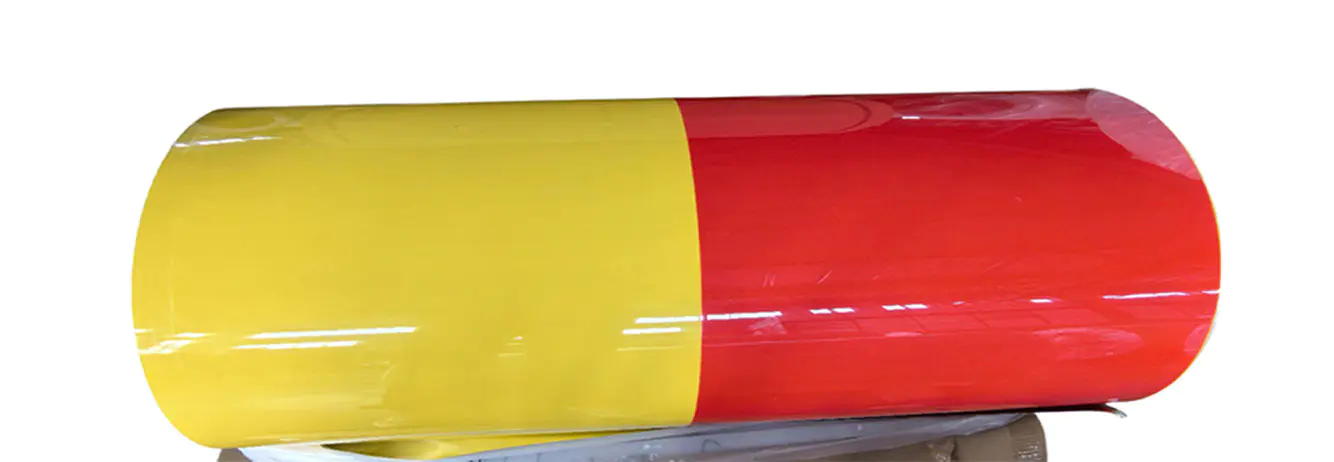
Surface coatings influence how panels resist corrosion, UV exposure, and weathering over time. The coil coating line—configured with cleaning, passivation, rolling coaters, and drying systems—creates a surface layer that maintains color stability and resists environmental wear. The ability to apply PVDF, PE, or AC coatings gives designers and engineers flexibility to match façade panels with project-specific conditions.
A consistent coating layer reduces risks such as premature fading, surface weakening, or micro-corrosion, all of which may cause panel instability. The use of controlled baking and drying systems, powered by natural gas or diesel oil, creates a predictable curing environment. Stable curing reduces internal coating stress and contributes to long-term surface integrity.
How Three-Dimensional Metal Plates Influence Structural Safety
Three-dimensional metal plates add aesthetic depth to a façade, but their structural properties are equally important. Their corrosion resistance and weathering tolerance help them maintain form even in challenging outdoor environments such as building exteriors, door frames, or exposed signage. When used indoors—for ceilings, partitions, or decorative walls—their stable structure helps reduce risks associated with sagging or deformation.
Because these metal plates use screened raw materials with steady load-bearing capacity, they integrate well with aluminum composite systems in mixed-material façades. The ability to apply diverse surface treatments also helps maintain visual uniformity without affecting structural behavior. When architects integrate textured, stamped, or stretched surfaces, they often look for materials that retain form without introducing unexpected strain at connection points. These plates support that requirement.
Coordinating Engineering Decisions With Environmental Factors
Structural risks do not come only from panel defects; environmental forces also play a major role. Temperature cycles, wind pressure, humidity, and long-term exposure require materials that tolerate expansion, contraction, and vibration. Aluminum Composite Material Engineering evaluates these factors by balancing core density, aluminum thickness, and coating type. An ACP Line provides the stable processing environment needed to maintain these variables within controlled ranges.
For example, coastal buildings may need panel surfaces better suited to salt exposure, while urban high-rises require materials that respond predictably to wind sway. Through adjustable lamination pressure and temperature control, manufacturers can prepare materials that match these conditions. This reduces risks such as delamination, panel rattling, or surface cracking that may occur when material behavior does not align with its environment.


 中文简体
中文简体 English
 Português
 русский
 Español
 عربى
عربى