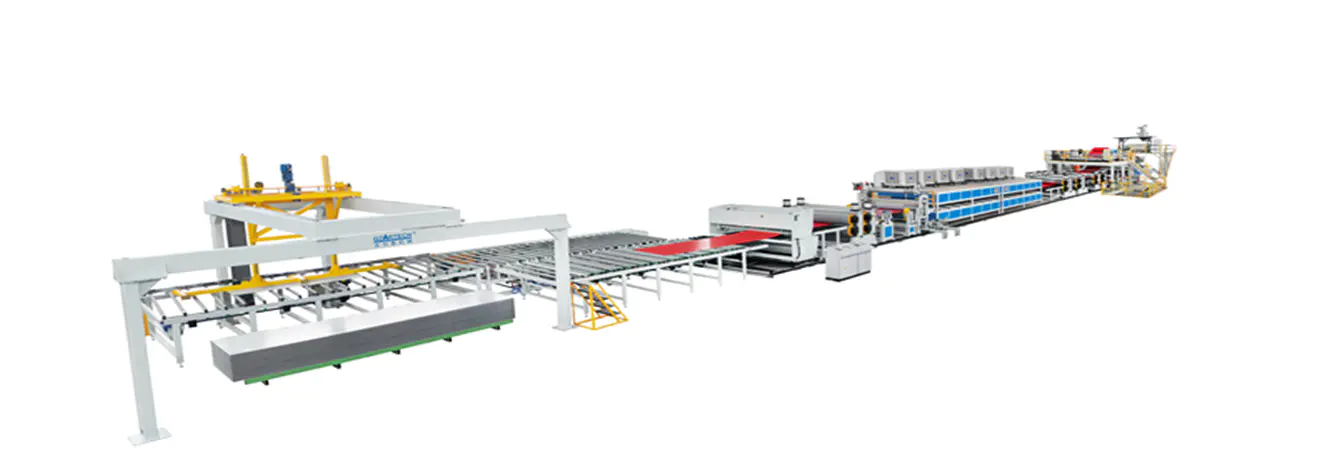
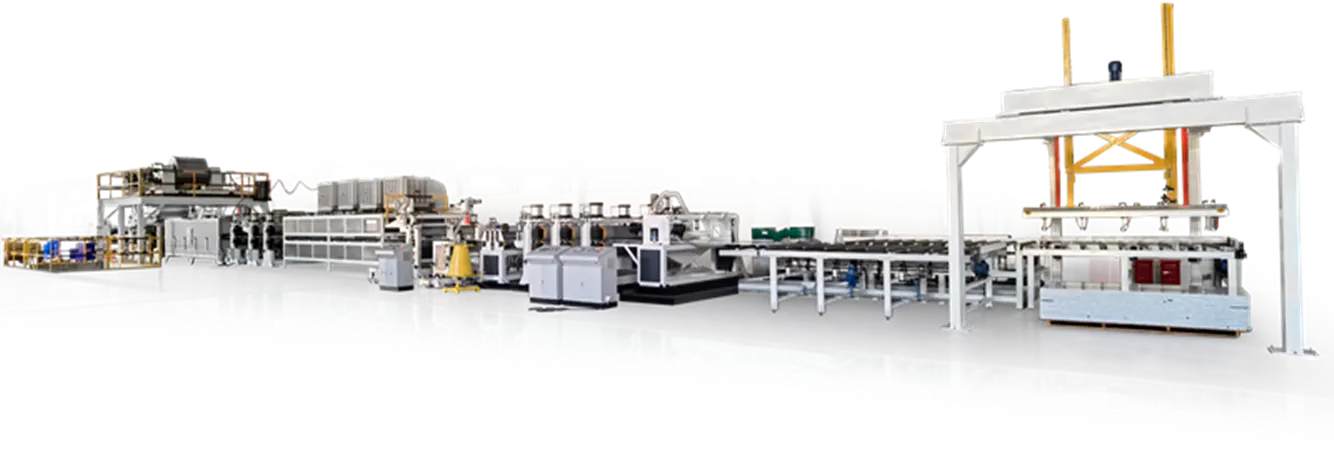
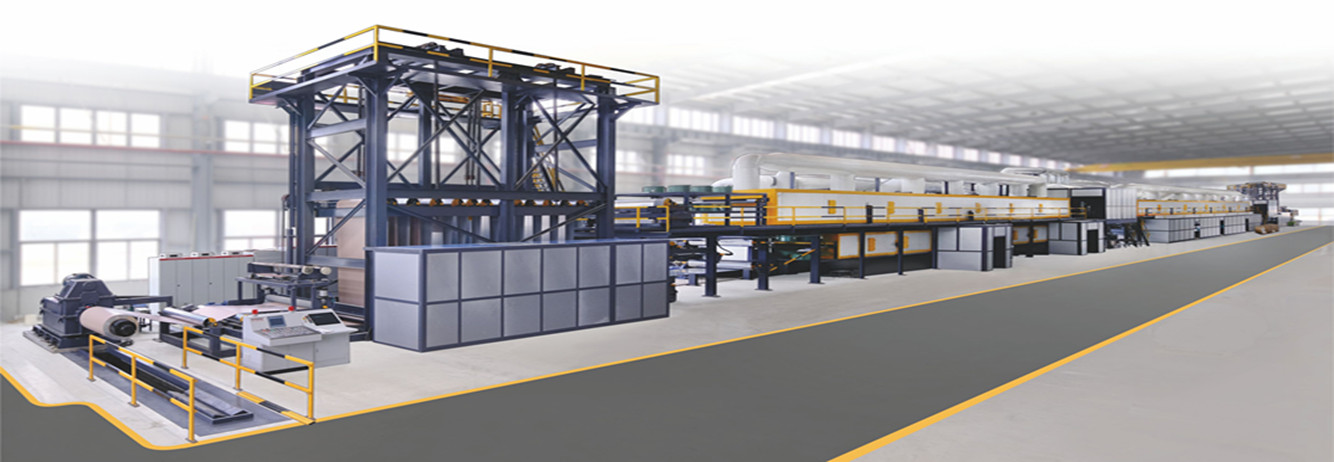
Growing interest in building surface upgrades has made many architects and contractors look closely at how an ACP Line supports broader Aluminum Composite Material Engineering. As construction teams explore ways to handle façade panels with steady quality and predictable performance, an ACP Line often becomes part of the discussion. It offers a structured approach for producing aluminum composite panels that meet the varied requirements of exterior and interior architectural work.
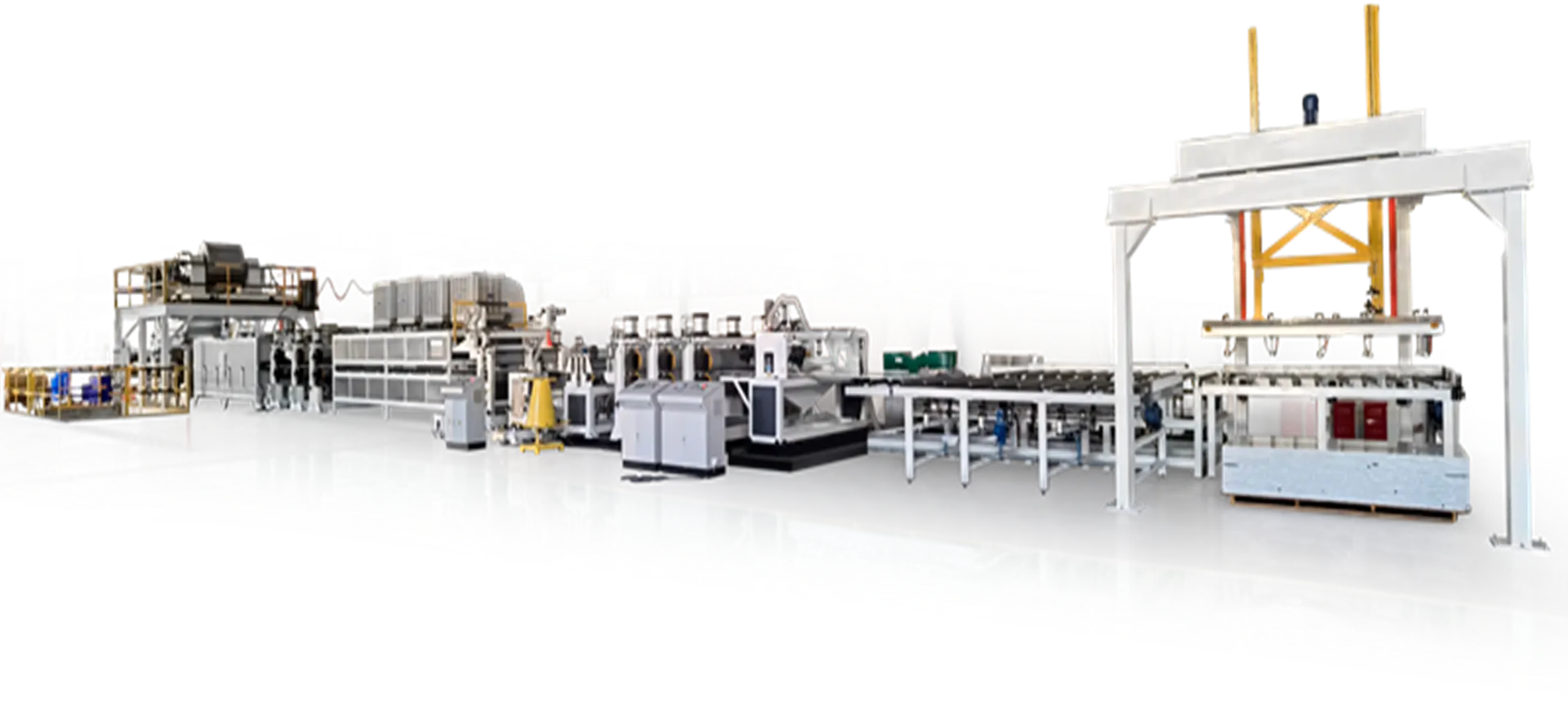
The Role of ACP Line in Panel Stability and Dimensional Planning
When a project involves façade panels across large wall sections, dimensional consistency becomes a routine concern. An ACP Line helps maintain steady measurements across panel batches by using controlled screw diameters, forming widths, and defined production speeds. For example, equipment models such as JET-FH-1300 or JET-FH-1600 operate within a 0–6 m/min range, which allows production teams to select an appropriate working pace depending on coating type, lamination thickness, or surface treatment. This flexibility helps align panel output with a project’s scheduling needs while keeping the measurements predictable during installation.
The panel widths available—ranging from 800 mm to over 1600 mm—also give designers more freedom. Whether the façade requires broad horizontal sections or narrow, repetitive vertical elements, the ACP Line’s adjustable layout helps support those design decisions without forcing major revisions. Aluminum Composite Material Engineering relies heavily on such stable dimensional planning because many façade systems must interface with insulation layers, joint systems, and metal substructures. A small deviation during production may cause misalignment on site; therefore, predictable fabrication assists both installers and project managers.
How ACP Line Supports Surface Quality for Architectural Applications
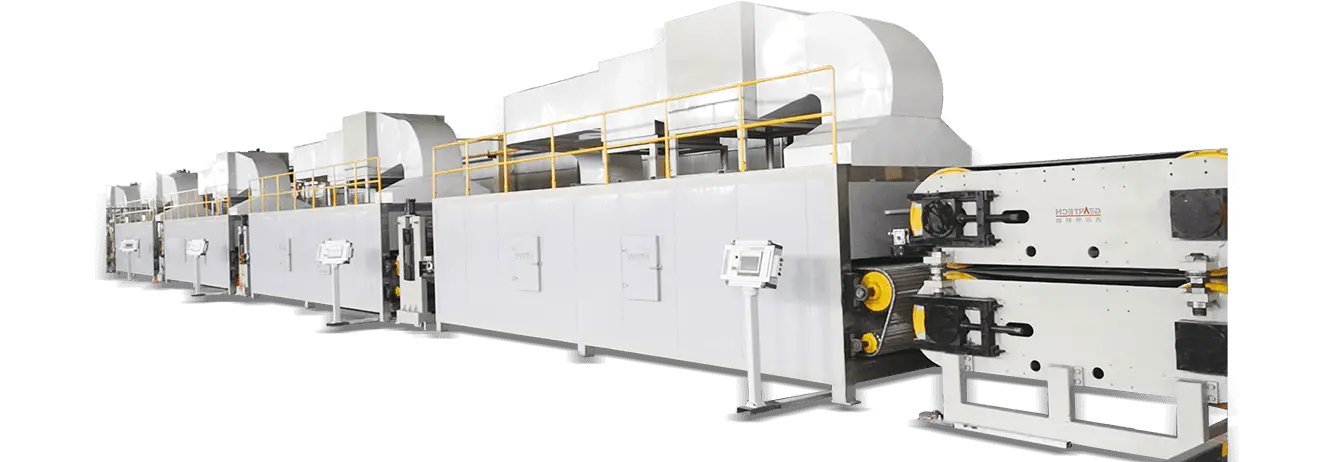
Architectural façades often require uniform color, smooth surfaces, and stable lamination. The structure of an ACP Line helps maintain these surface characteristics by regulating tension, heating zones, screw rotation, and pressing procedures. These operations influence how the core material bonds with aluminum layers, which directly affects the panel’s flatness and long-term appearance.
For façade engineers working with shading patterns, reflective panels, or brushed finishes, consistent surface processing is essential for achieving visual coherence across multiple building elevations. Since ACP panels often appear in long, continuous spans, even slight variation in gloss or tone can be noticeable from a distance. A well-adjusted production line helps reduce such differences by keeping thermal and mechanical conditions stable.
Supporting Various Project Requirements Through Material Compatibility
Aluminum Composite Material Engineering is not limited to appearance; it also involves coordinating panel strength, durability, and installation behavior. An ACP Line can work with different core materials, coating types, and aluminum thicknesses, allowing manufacturers to prepare panels that match the environmental conditions of each project.
For example, a coastal project may need panels compatible with humid air and salt exposure, while an airport structure may require panels that maintain form under high vibration or frequent temperature changes. By adjusting parameters such as production temperature, lamination pressure, or coil coating type, the ACP Line process can align panel features with the project’s long-term use conditions.
This adaptability helps contractors select panels that suit their installation method—rivet mounting, cassette bending, or routed folding—without adding excessive on-site modifications. A production line that offers controlled shaping conditions helps reduce the likelihood of panel cracks during bending or shaping, which is valuable for intricate façade geometries.
Balancing Production Pace With Project Scheduling Demands
Construction timelines often shift due to weather, labor coordination, and material supply. Having access to an ACP Line with adjustable production speed makes it easier to plan deliveries without sudden delays. With equipment running from slow, cautious speeds up to a moderate 6 m/min, production teams can react to urgent orders or maintain a steady output for long-term façade projects.
The power configurations—such as 300 kW or 350 kW models—allow different factories to handle workloads according to their capacity. For large commercial buildings requiring many thousands of square meters of ACP panels, this flexibility supports stable supply planning. For smaller renovation projects, production can be paced appropriately without generating excess material.
Supporting Installation Through Consistent Panel Behavior
Installers often highlight that predictable bending behavior and steady core bonding allow façade work to progress without unexpected adjustments. With ACP Line production controlling center height, screw specifications, and forming temperature, the resulting panels tend to exhibit more uniform bending characteristics. This helps reduce rework on site and assists contractors when creating corner pieces, window reveals, or curved transitions.


 中文简体
中文简体 English
 Português
 русский
 Español
 عربى
عربى