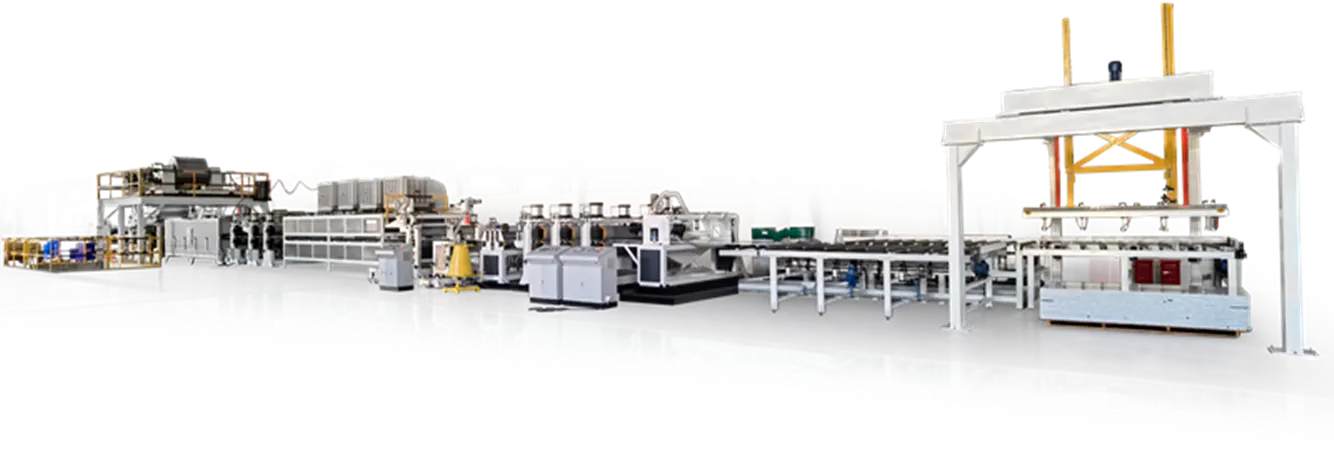
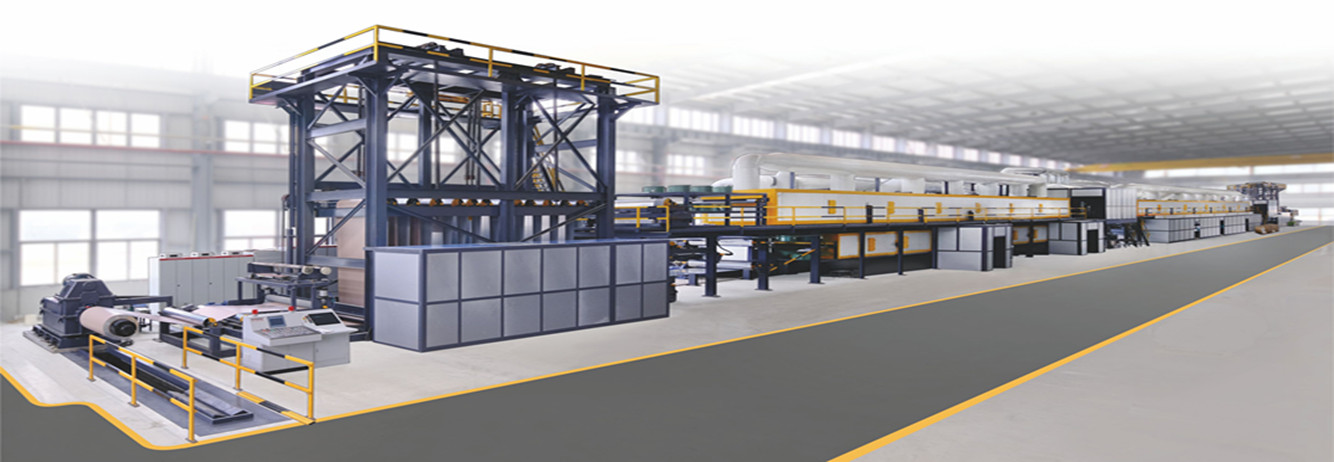
Aluminum Coil Coating Line and Color Coated Aluminum Coil are often discussed together in modern surface finishing workflows, especially when industries look for consistent coated metal sheets for downstream fabrication. The way coil coating is processed today has shaped how color coated aluminum is used across multiple sectors, from building materials to transport components and consumer products.
Why Coated Aluminum Became a Standard Material Choice
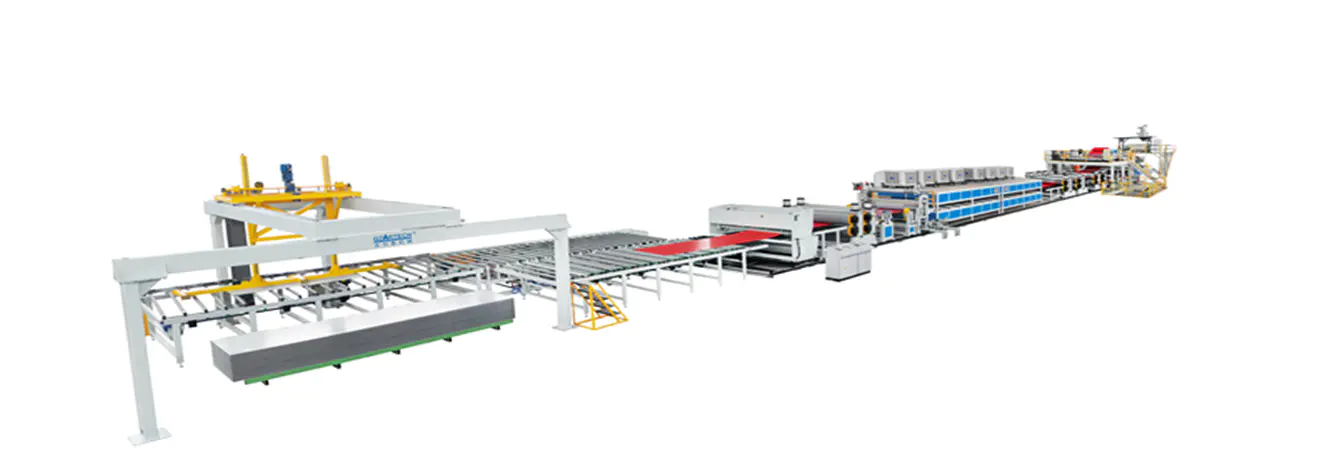
The shift toward coated aluminum sheets is closely tied to changes in material expectations in manufacturing. Bare aluminum, while useful for structural and lightweight needs, often requires additional surface treatment when appearance, corrosion resistance, or environmental exposure becomes part of the requirement. This is where the concept behind a continuous coating process such as an Aluminum Coil Coating Line comes into play, allowing large rolls of aluminum to be cleaned, treated, coated, and cured in a continuous flow.
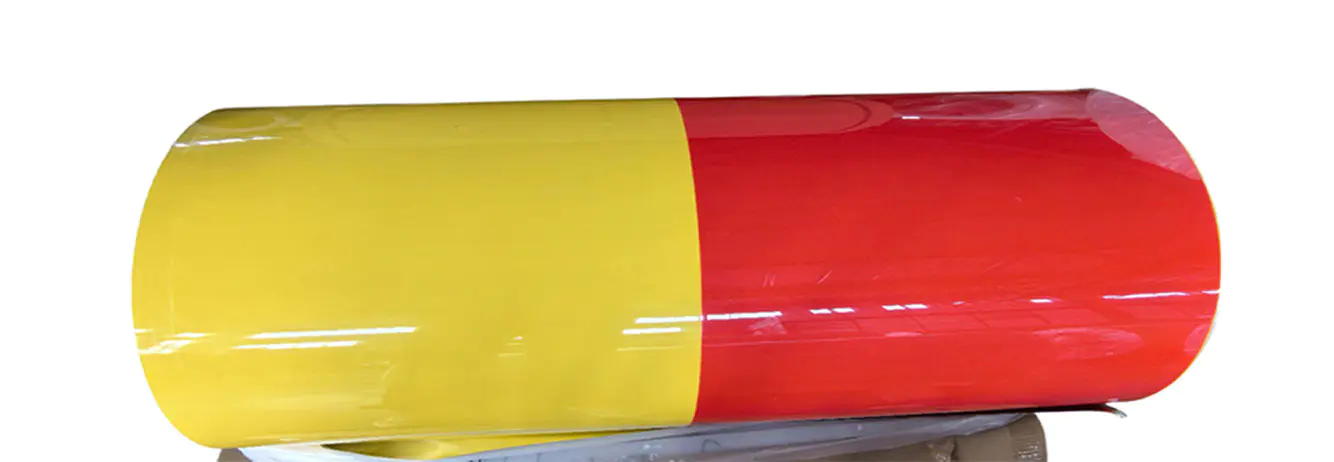
Color coated aluminum coil refers to aluminum sheets that have gone through this controlled surface finishing process. The coating layer is applied in a uniform manner, usually using rollers and controlled curing systems, ensuring that the color and protective film remain consistent across long production runs. Over time, this method replaced more manual or batch-based coating approaches in many industries because it reduces variability in surface quality and supports mass production needs.
How Coil Coating Technology Has Developed in Practice
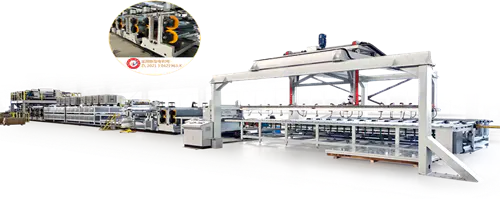
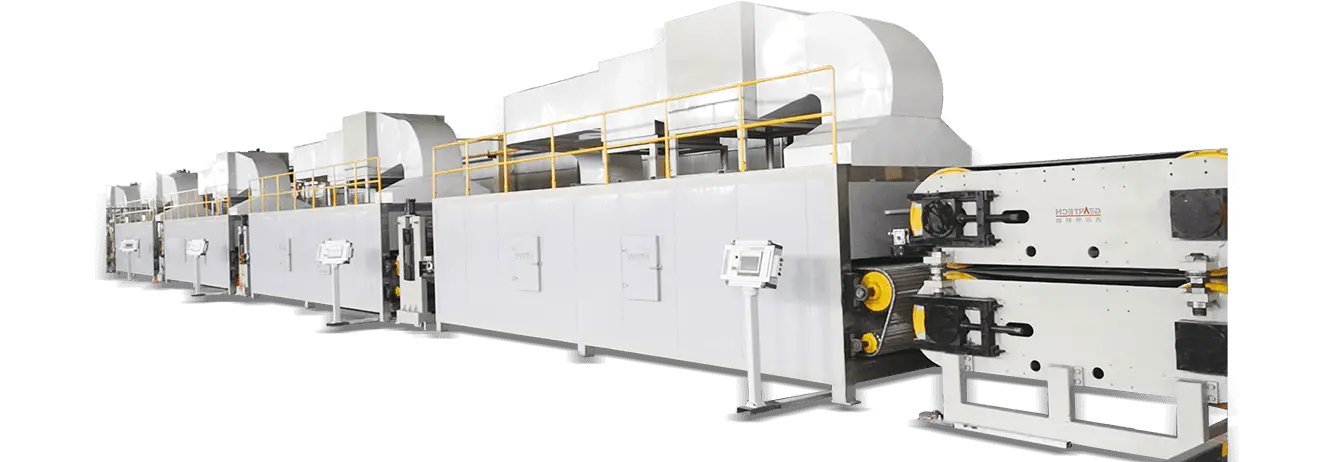
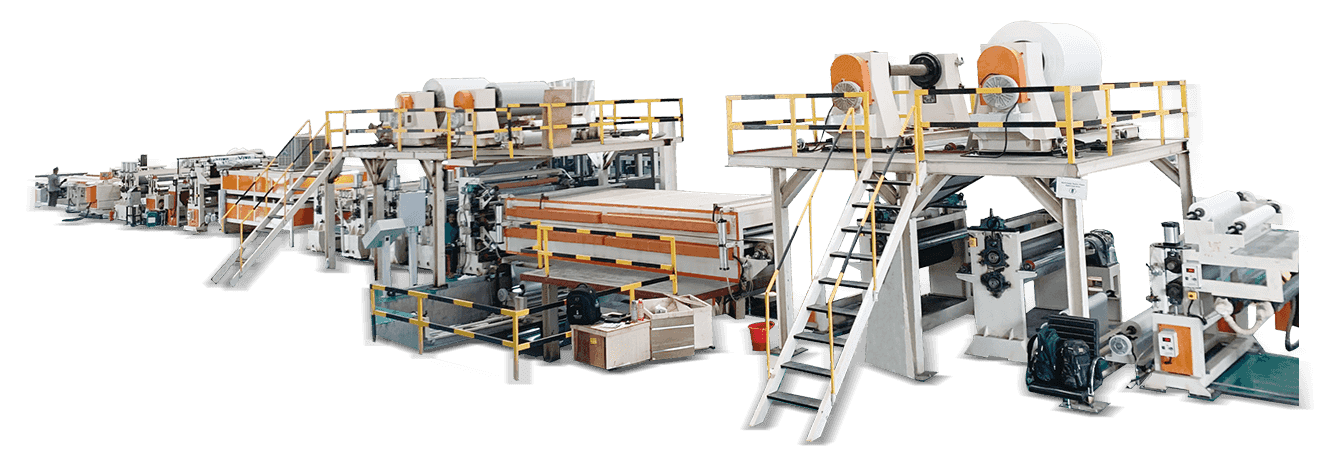
Modern coil coating systems are built around a continuous production concept where aluminum is uncoiled, processed through multiple treatment stages, and recoiled after coating. Within an Aluminum Coil Coating Line, stages typically include surface cleaning, chemical pretreatment, primer application, top coating, and thermal curing. Each stage is linked, meaning the sheet moves through without interruption, which helps maintain coating consistency.
Compared with earlier methods such as post-cut painting or manual spraying, coil coating reduces dependence on individual operator variation. It also allows manufacturers to pre-finish materials before they are cut or formed, meaning downstream processors receive ready-to-use coils. Color coated aluminum coil produced in this way can be designed with different coating thicknesses, gloss levels, and surface textures depending on the end-use requirement. Some production lines also support multiple color changes in sequence, allowing flexible production scheduling.
Where Color Coated Aluminum Coil Is Commonly Used
Color coated aluminum coil has found application in several industries where surface appearance and environmental resistance are both considered. In construction, it is widely used for exterior cladding panels, roofing systems, and curtain wall facades. These applications rely on consistent color appearance over large surface areas, and coil-coated sheets make it easier to maintain visual uniformity across different batches.
In transportation, it is used in vehicle interior panels, trailer siding, and certain decorative trim components. The lightweight nature of aluminum combined with a coated surface helps it fit design requirements where weight and durability need to be balanced. In home appliances, coated aluminum is often used for outer casings, back panels, and decorative surfaces, where appearance and resistance to minor surface wear are relevant factors.
Packaging and signage industries also use this material. Sign boards, advertising panels, and industrial labeling systems often rely on coated aluminum sheets because they can be cut and shaped while maintaining surface color integrity. In some cases, the coating layer is also adjusted to support printing or lamination processes.
Production Characteristics and Practical Considerations
In actual production environments, several factors influence how color coated aluminum coil is selected and processed. These include coating thickness, substrate alloy type, surface pretreatment method, and curing temperature. While these parameters vary depending on application, they are typically controlled within a continuous Aluminum Coil Coating Line to maintain consistent output.
One practical aspect is coil width and thickness flexibility. Different industries require different sheet specifications, and coating lines are designed to accommodate a range of dimensions. Another factor is surface finish type, such as matte, glossy, or textured coatings. These variations are not only aesthetic but can also influence downstream forming and handling processes.
From a production workflow perspective, coil coating supports a more predictable material supply chain. Since the coating is applied before fabrication, downstream manufacturers can directly use the coil without additional surface treatment steps. This reduces the number of processing stages required in some manufacturing environments.
Example Usage Trends in Industrial Supply Chains
In recent years, demand patterns for color coated aluminum coil have shifted alongside construction and manufacturing cycles. For example, in architectural cladding projects, large commercial buildings often require long production runs of the same color tone to maintain facade consistency. Coil coating systems allow these requirements to be met by producing continuous batches under controlled conditions.
In appliance manufacturing, the use of pre-coated aluminum sheets has increased due to the need for standardized exterior finishes across product lines. Instead of applying coatings after forming, manufacturers integrate color coated aluminum coil directly into stamping and forming processes. This simplifies handling and reduces variability in final appearance across different units.
In signage production, digital printing and surface coating are sometimes combined. The coated aluminum coil serves as a stable base layer for printing, ensuring that ink adhesion and surface uniformity remain stable during production. These practical uses highlight how coil coating systems influence not only material supply but also downstream manufacturing workflows.


 中文简体
中文简体 English
 Português
 русский
 Español
 عربى
عربى