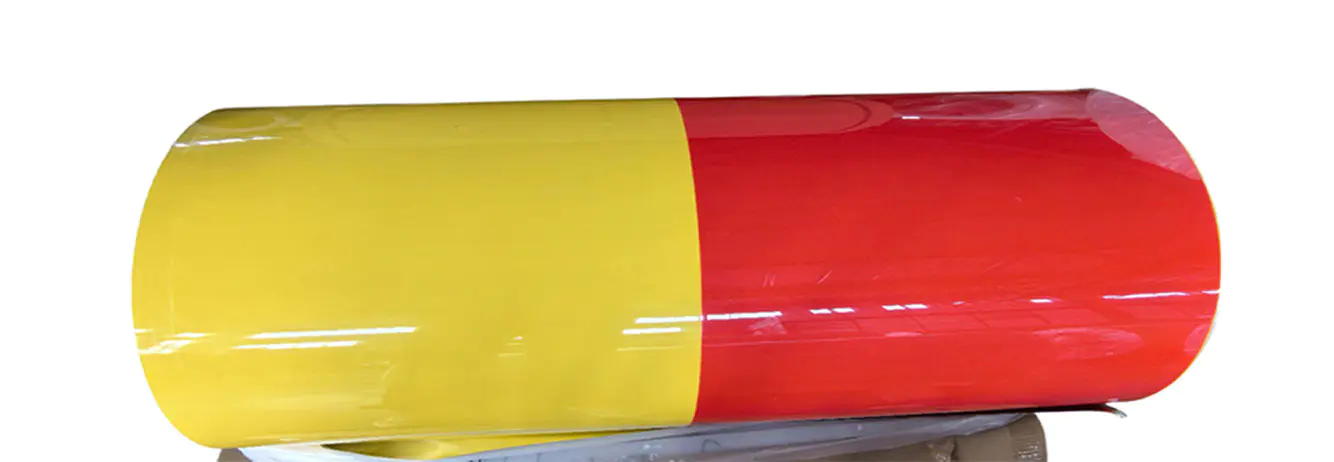
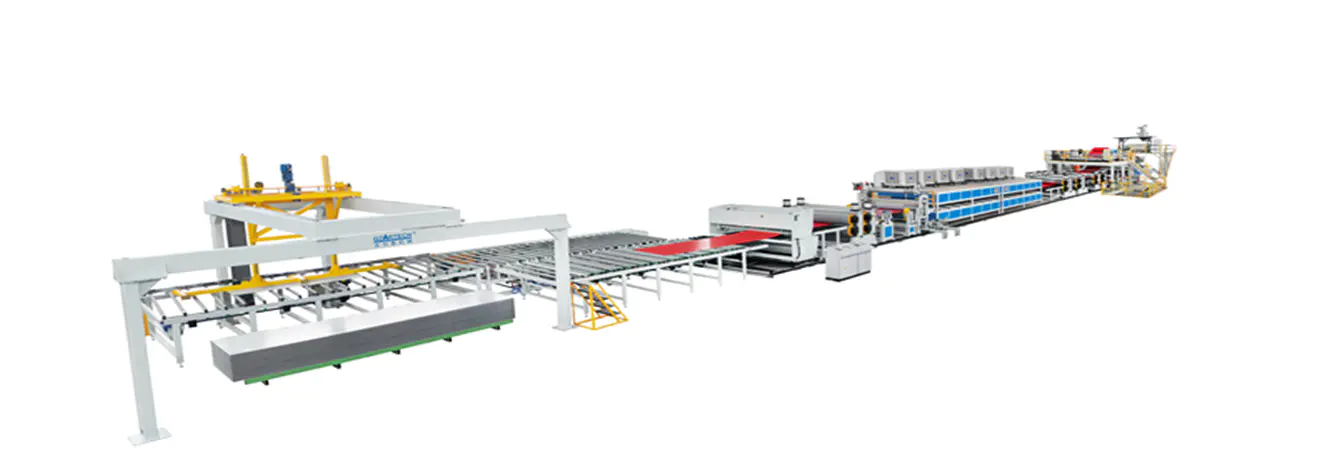
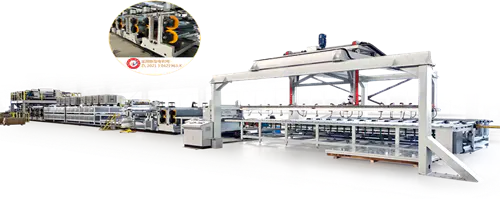
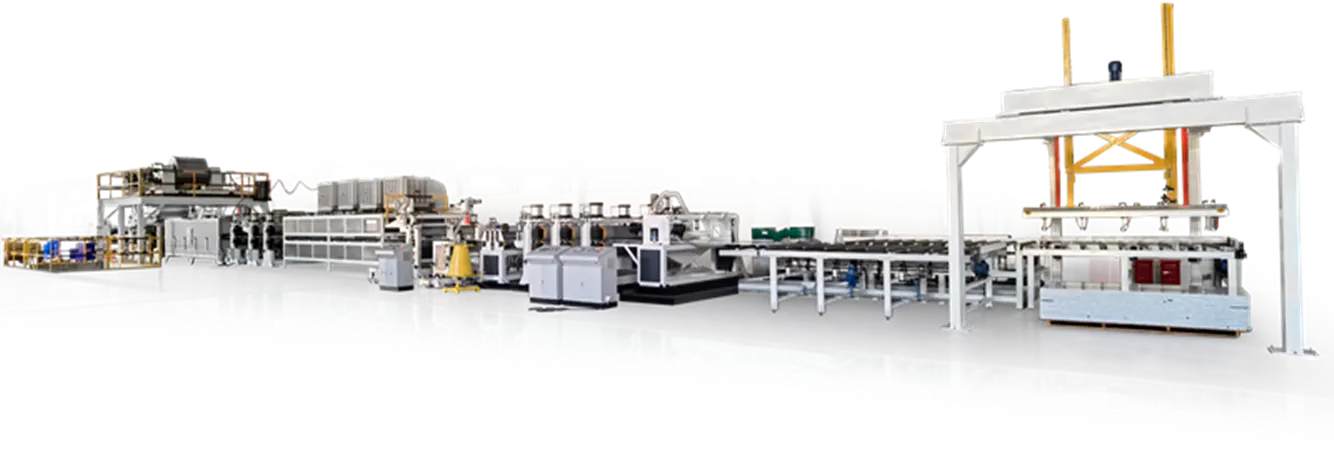
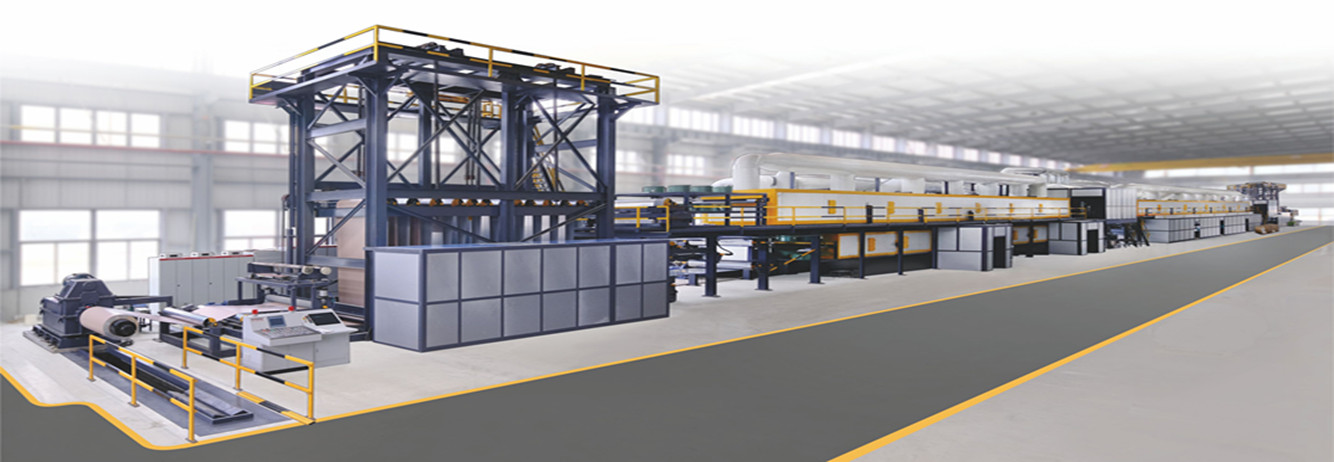
Modern metal manufacturing increasingly relies on continuous production systems to ensure stable processing and consistent surface quality. Coil Coating Line technology is widely used in steel and aluminum processing because it combines cleaning, coating, curing, and recoiling into one integrated workflow. As demand for decorative and corrosion-resistant materials continues growing, Color Coated Aluminum Coil products are becoming common in construction, household appliances, transportation, and industrial applications.
Compared with traditional batch coating methods, continuous coil coating systems help manufacturers improve workflow coordination while reducing repeated handling during production. These systems also support more stable coating application across large metal coil surfaces.
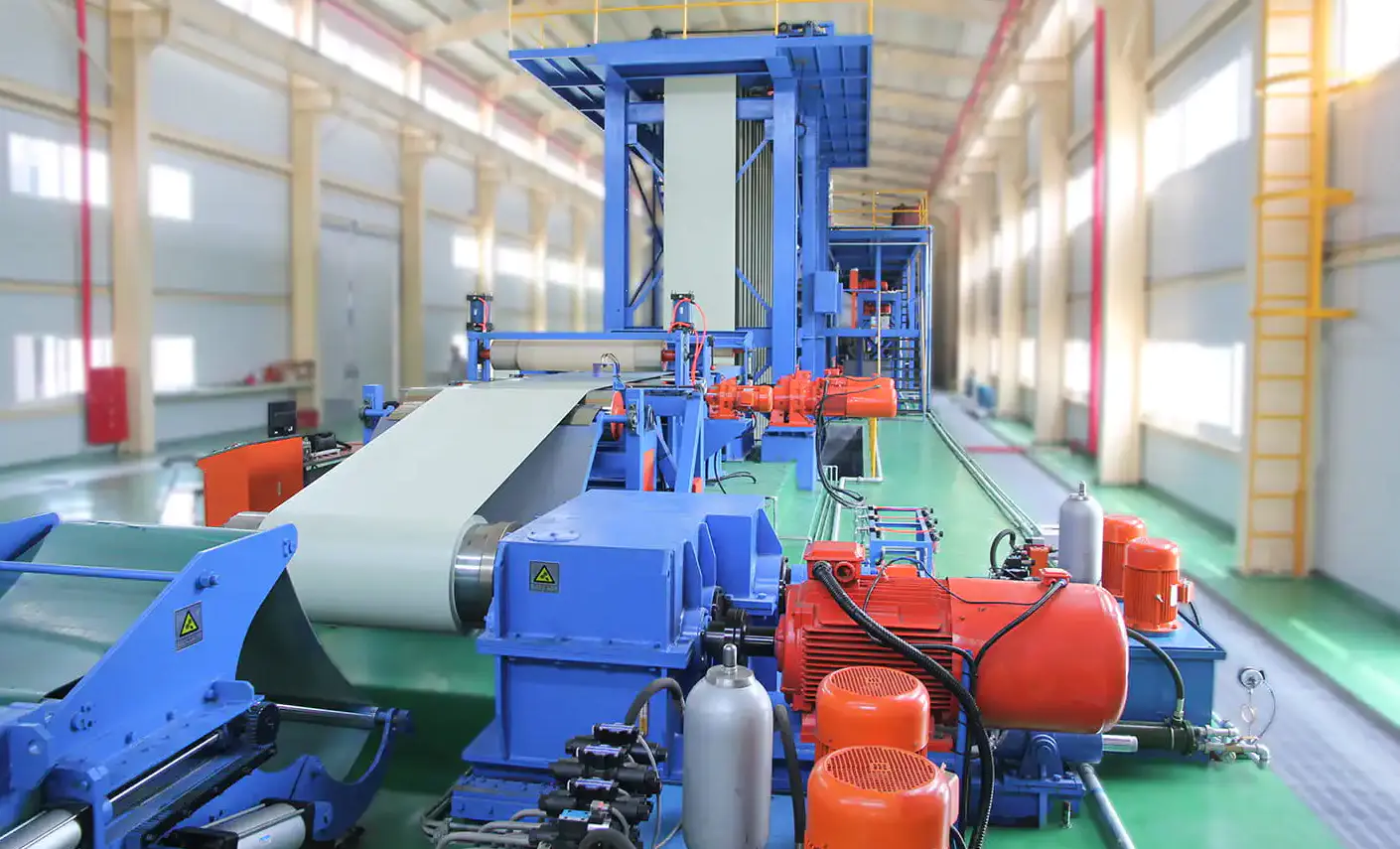
Main Process of a Coil Coating Line
A Coil Coating Line generally begins with the uncoiling section, where metal coils are loaded and gradually fed into the production system. Stable tension control during this stage is important because uneven feeding can influence coating consistency later in the process.
Before coating materials are applied, the metal surface passes through cleaning and pretreatment sections. Cleaning removes oil, dust, and surface contaminants, while pretreatment improves coating adhesion and corrosion resistance. For color-coated aluminum coil manufacturing, surface preparation directly affects the long-term performance of the finished product, especially in outdoor environments.
After pretreatment, coating materials are applied through roller coating equipment. This process supports relatively even coating thickness and controlled paint distribution across the coil surface. Polyester coatings are commonly used for indoor decorative applications, while fluorocarbon coatings are often selected for exterior building materials exposed to sunlight and moisture.
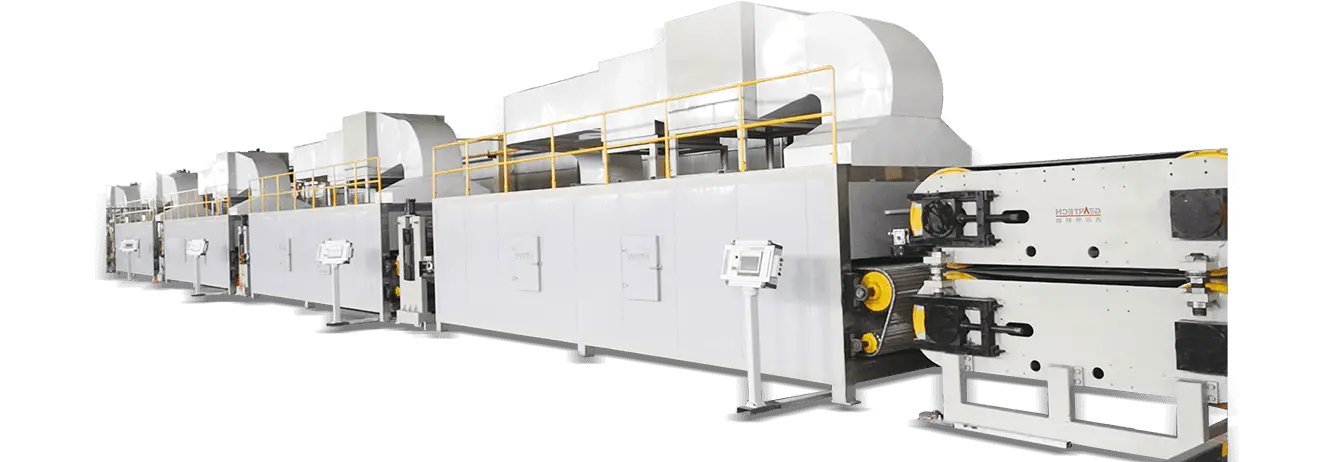
The coated material then enters a curing oven where the coating film hardens under controlled temperatures. Proper curing conditions help improve coating adhesion, surface smoothness, and weather resistance. Following the curing process, the metal coil passes through cooling and inspection systems before recoiling and packaging.
Production Efficiency and Surface Stability
One of the important advantages of Coil Coating Line technology is continuous production capability. Multiple production stages are connected within one coordinated system, reducing interruptions that often occur in separate batch operations. Continuous processing supports smoother workflow management and stable production scheduling for manufacturers handling large metal coil volumes.
Automation systems also help operators monitor coating thickness, line speed, and oven temperature during production. Stable process control can reduce coating irregularities such as uneven surfaces, bubbles, scratches, or color variation. This is especially important for color-coated aluminum coil products used in architectural decoration, where appearance consistency is closely monitored.
Roller coating systems may also help reduce unnecessary coating material consumption because paint application can be controlled more accurately during continuous production.
Applications of Color Coated Aluminum Coil
Color-coated aluminum coil materials are widely used in modern construction and industrial manufacturing. Roofing systems remain one of the major application areas because coated aluminum combines lightweight structure with corrosion resistance and decorative flexibility.
Exterior wall cladding and curtain wall systems also frequently use coated aluminum materials. Different colors, gloss levels, matte finishes, and decorative textures allow architects and designers to create varied building appearances for commercial and residential projects.
Interior ceiling systems, appliance panels, transportation equipment, and industrial decorative panels also use coated aluminum products because of their surface durability and processing flexibility.
In coastal or humid environments, coated aluminum materials are often selected for their resistance to moisture and environmental exposure. Long-term outdoor performance depends on coating quality, pretreatment conditions, and suitable coating selection according to application requirements.
Industry Development Trends
Environmental awareness and production efficiency continue to influence the development of coil coating technology. Some manufacturers are adopting energy-saving oven systems, improved airflow control, and low-emission coating materials to support more environmentally conscious production processes.
At the same time, demand for decorative surface finishes continues to increase in architectural markets. Wood grain patterns, matte coatings, metallic surfaces, and textured finishes are becoming more common in exterior building decoration.
Digital monitoring systems and automated inspection equipment are also receiving more attention in modern Coil Coating Line manufacturing. These technologies help manufacturers monitor production conditions and identify surface defects during processing.
Continuous coating systems remain an important part of modern metal processing industries because they support coordinated production and stable surface treatment. Coil Coating Line technology allows manufacturers to combine cleaning, coating, curing, and inspection procedures within one workflow while improving operational efficiency and coating consistency.
As construction and industrial markets continue developing, Color Coated Aluminum Coil products are expected to remain widely used in roofing, wall decoration, appliances, and transportation applications due to their decorative flexibility, lightweight structure, and corrosion-resistant surface properties.


 中文简体
中文简体 English
 Português
 русский
 Español
 عربى
عربى