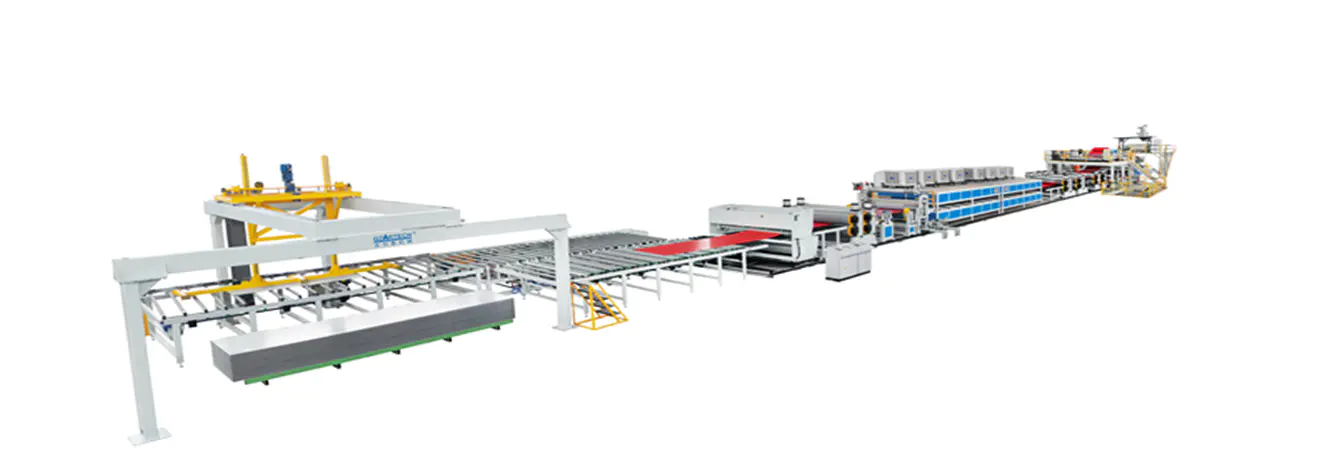
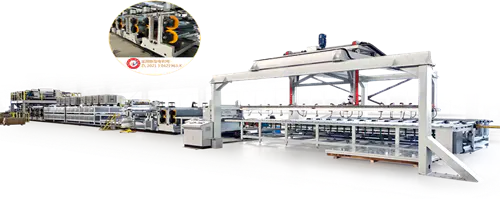
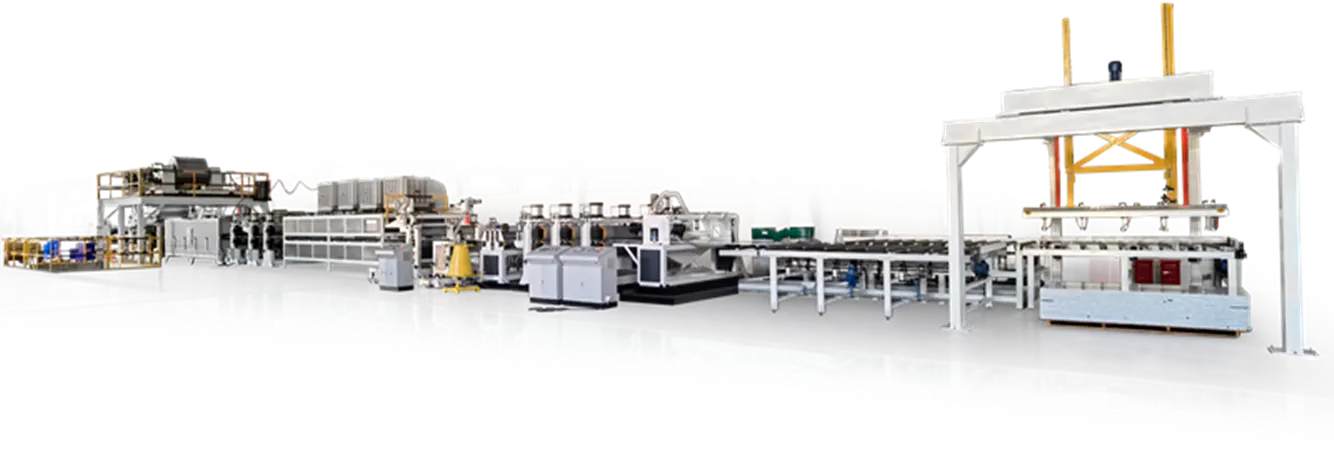
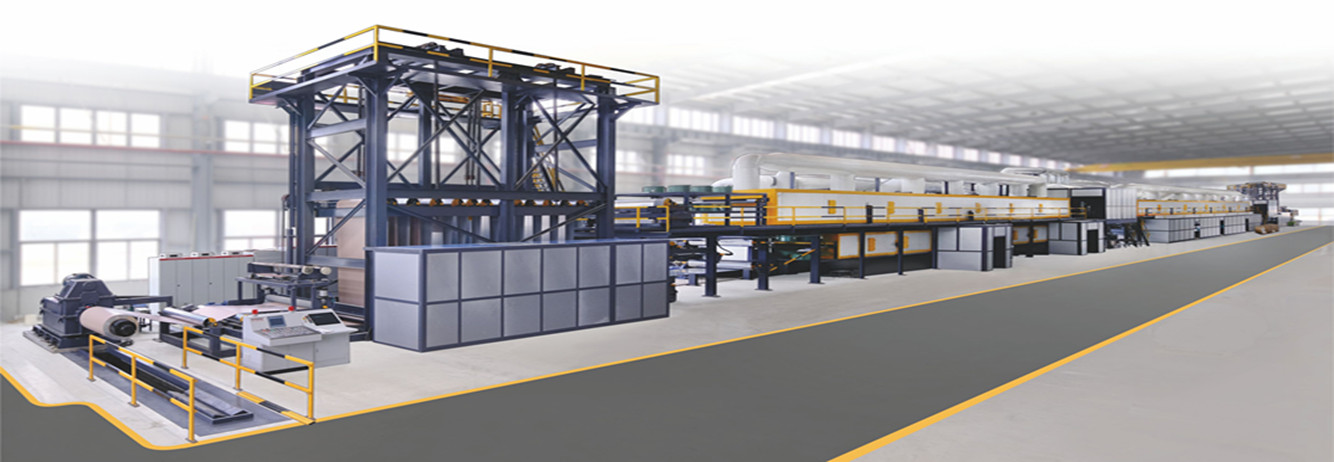
The quality of aluminum composite panels depends on a combination of materials, equipment, and manufacturing processes. An Aluminum Composite Panel Production Line brings these elements together to produce panels for architectural, decorative, and industrial applications. Many manufacturers also use an Aluminum Coil Coating Line to prepare coated aluminum coils before they enter the panel production process, making the quality of both production lines closely connected.
Consistent panel quality is not achieved through a single production stage. Every step, from raw material inspection to final cutting, contributes to the appearance, bonding performance, and dimensional accuracy of the finished product. Understanding these factors helps manufacturers build a stable production process while meeting different application requirements.
Raw Materials Build a Reliable Foundation
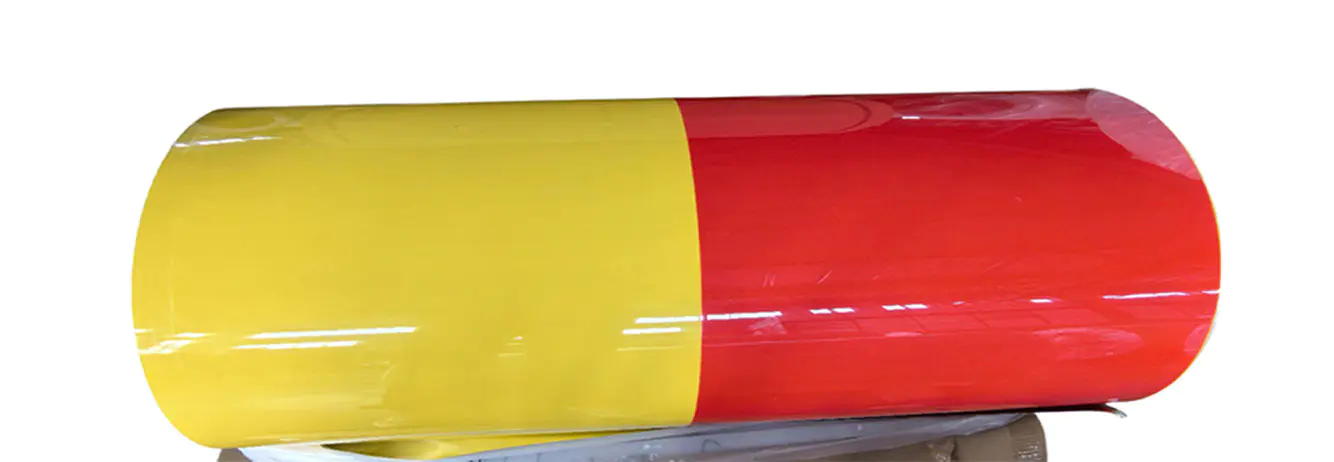
The production process begins with carefully selected raw materials. Aluminum coils should have clean surfaces, uniform thickness, and coatings that are suitable for lamination. If the coils are processed through an Aluminum Coil Coating Line, coating consistency should be checked before they are transferred to panel production.
The core material is another important component. Its quality affects the panel's rigidity, weight, and overall performance. The adhesive should also be compatible with both the aluminum surface and the core material to create reliable bonding throughout the manufacturing process.
Inspecting materials before production begins can help identify potential issues early and reduce unnecessary interruptions during manufacturing.
Process Control Improves Product Consistency
Stable production conditions play an important role in maintaining panel quality. Before lamination, aluminum surfaces should be cleaned to remove dust, oil, and other contaminants. A clean surface supports stronger bonding between materials.
Temperature, pressure, and production speed should work together throughout the lamination process. If these conditions vary significantly, manufacturers may notice changes in bonding performance or surface appearance. Monitoring production parameters allows operators to make timely adjustments and maintain a smoother workflow.
Regular observation of the production process also helps reduce material waste and supports consistent product quality.
Equipment Maintenance Supports Stable Operation
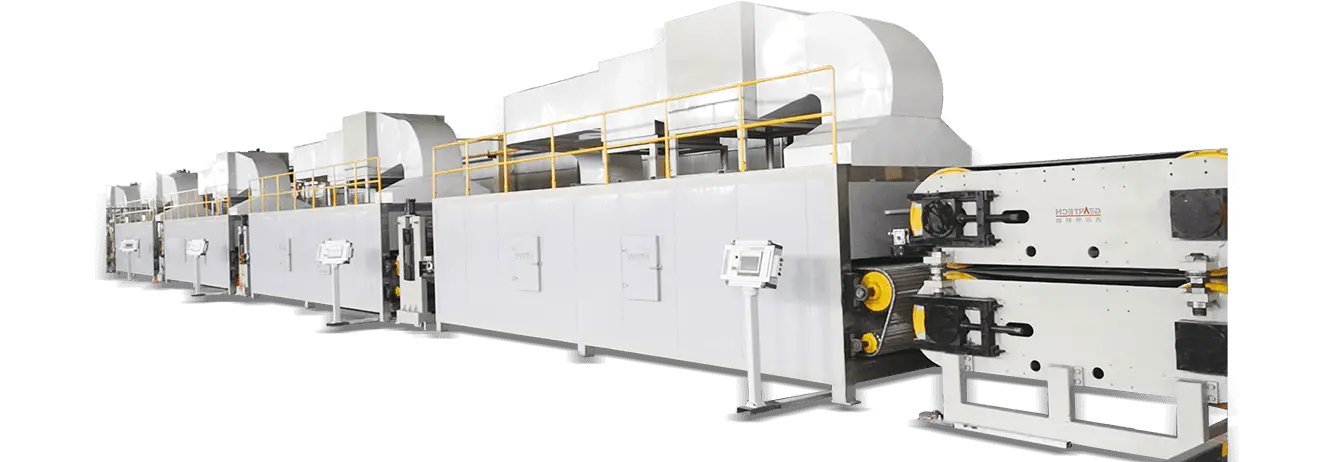
Even a well-designed Aluminum Composite Panel Production Line requires routine maintenance. Rollers, heating systems, and cutting equipment should be inspected regularly to ensure stable operation.
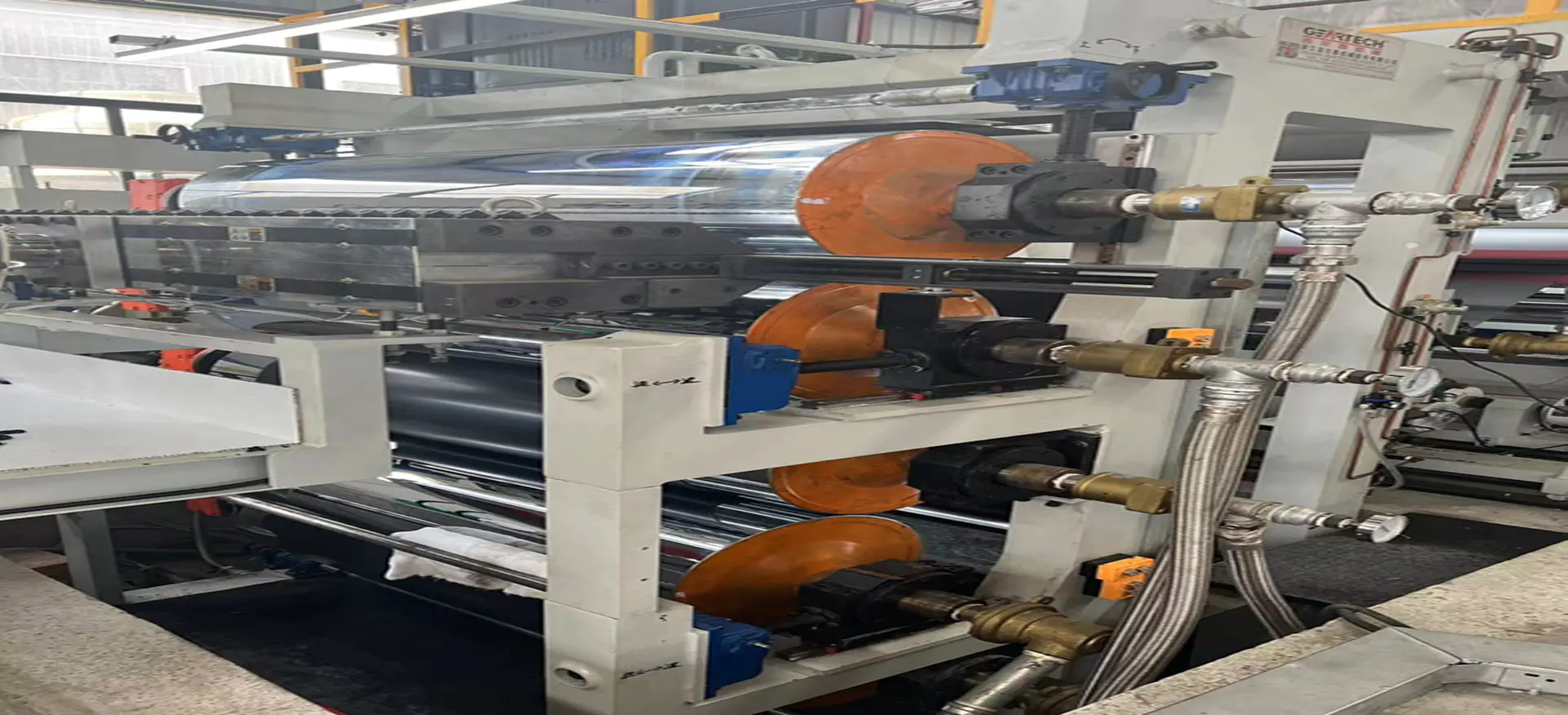
Roller alignment helps maintain panel flatness, while a stable heating system supports consistent adhesive performance. Cutting equipment should remain properly adjusted to produce clean edges and accurate panel dimensions.
Preventive maintenance also reduces unexpected downtime and helps extend the service life of production equipment. Keeping machines clean and replacing worn components at appropriate intervals supports continuous manufacturing.
Quality Inspection Throughout Production
Quality inspection should take place during the entire production process rather than only after the finished panels are completed.
Operators typically examine surface appearance, bonding condition, panel thickness, and dimensional accuracy. Detecting small issues during production makes it easier to adjust equipment before additional panels are processed.
Production records are also valuable for quality management. Reviewing operating conditions and inspection results helps manufacturers identify recurring patterns and improve future production planning.
An Aluminum Composite Panel Production Line delivers reliable results when raw materials, equipment, and process control work together. Close coordination with an Aluminum Coil Coating Line also contributes to stable coating quality before lamination begins. Through regular inspection, routine maintenance, and consistent production management, manufacturers can produce aluminum composite panels that meet the requirements of a wide range of construction and industrial applications.


 中文简体
中文简体 English
 Português
 русский
 Español
 عربى
عربى