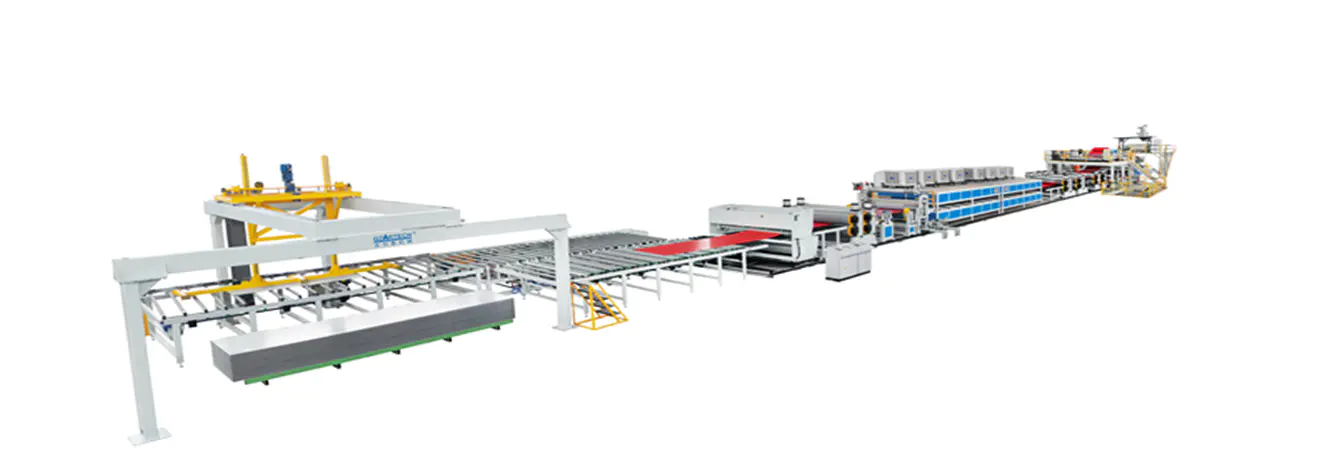
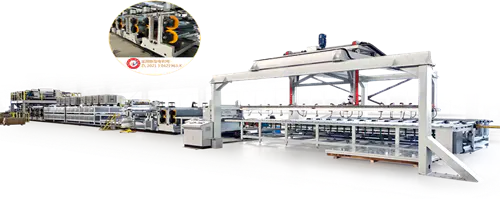
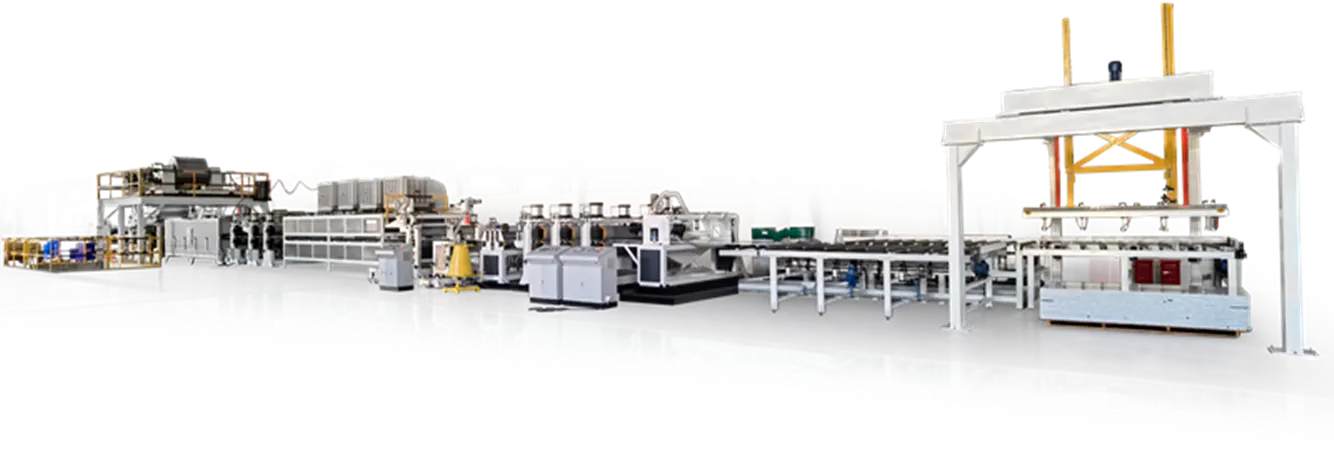
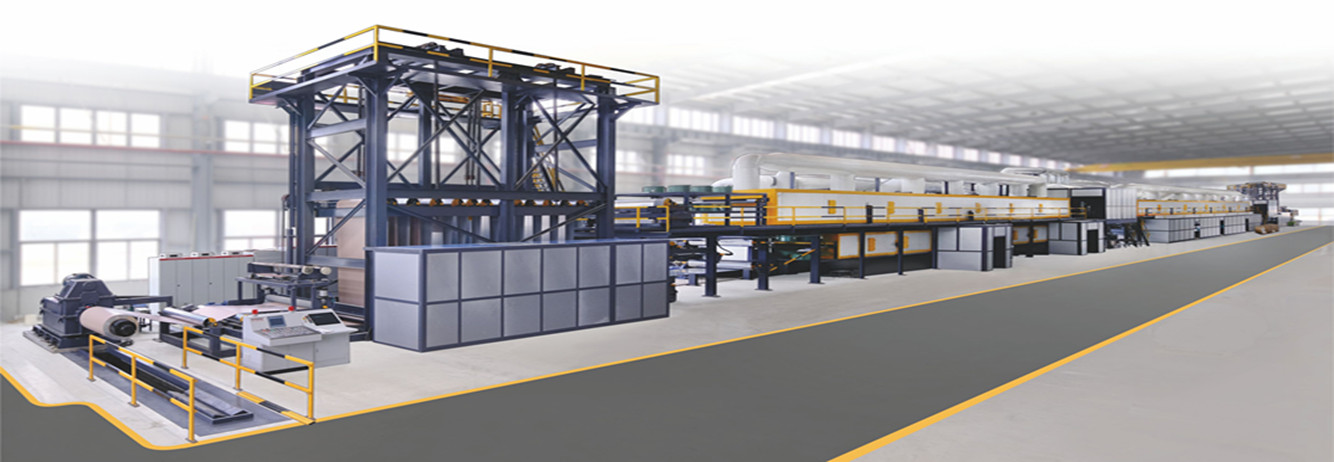
Choosing suitable equipment is an important step when planning a composite panel manufacturing project. An Aluminum Composite Panel Production Line combines several processing sections that work together to produce panels with stable appearance and bonding performance. Many manufacturers also use an Aluminum Coil Coating Line to prepare coated aluminum coils before they enter the panel production process, allowing raw materials to move smoothly from one manufacturing stage to the next.
A complete production line is more than a series of individual machines. Each section has a specific function, and the overall production process depends on how well these systems are connected. Understanding the purpose of each piece of equipment helps manufacturers select a configuration that matches their production goals and product requirements.
Material Feeding and Surface Preparation
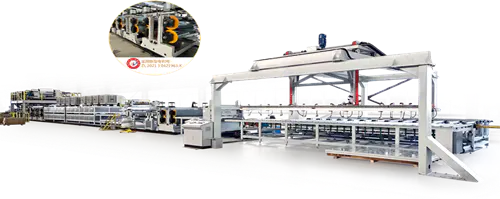
Production begins with the material feeding system, where aluminum coils are uncoiled and guided into the manufacturing line. Stable feeding helps maintain smooth material movement and supports consistent processing throughout the production cycle.
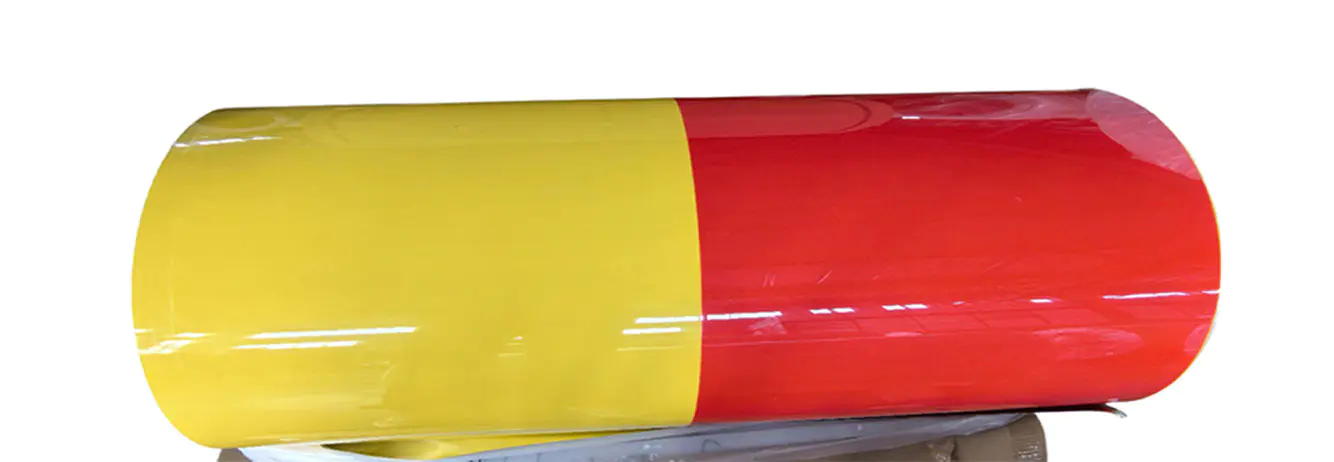
Before lamination, the aluminum surface should be cleaned to remove dust, oil, and other contaminants. A clean surface allows the adhesive to bond more effectively with the aluminum sheet. If the coils come from an Aluminum Coil Coating Line, checking the coating condition before production can also support a more stable manufacturing process.
Lamination and Core Processing Equipment
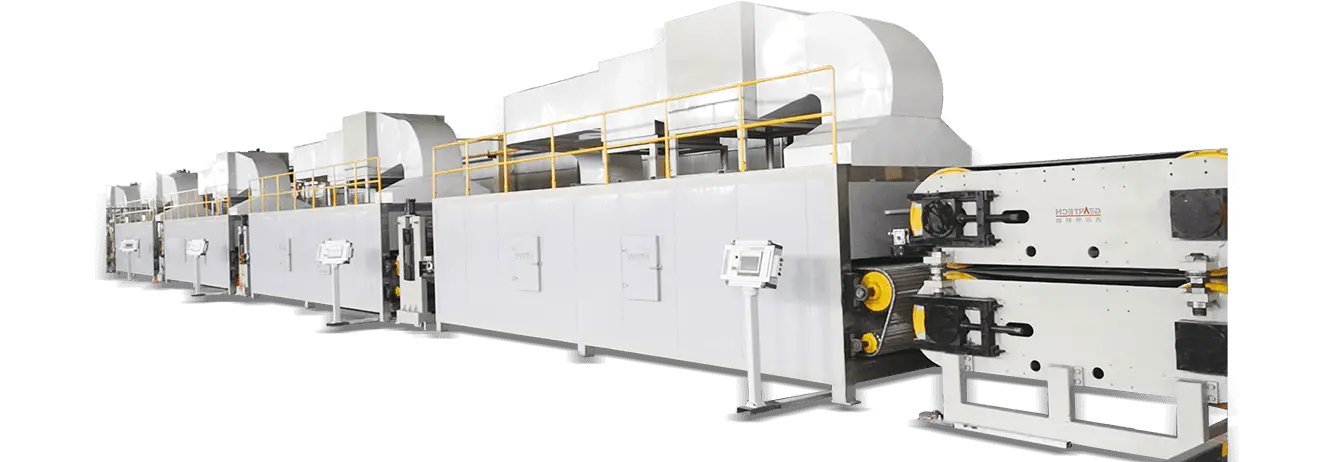
The lamination section is one of the central parts of an Aluminum Composite Panel Production Line. During this stage, the aluminum sheets and core material are combined under controlled heating and pressure.
The core feeding system should deliver materials smoothly while maintaining proper alignment. The laminating machine then bonds the different layers together, creating a panel with a uniform structure. Heating equipment plays an important role by providing stable conditions for adhesive activation, while pressure systems help maintain even bonding across the panel surface.
Careful adjustment of these machines contributes to product consistency and supports continuous production.
Cooling, Cutting, and Stacking
After lamination, the composite panel enters the cooling section. Controlled cooling allows the bonded materials to stabilize before further processing. This stage also helps maintain panel flatness and dimensional consistency.
The finished panel then moves to the cutting system, where it is processed into the required sizes. Accurate cutting improves the appearance of the finished product and supports later fabrication or installation.
Many production lines also include automatic stacking equipment. Organized stacking reduces manual handling, keeps finished panels protected during transfer, and supports a smoother production workflow.
Automation and Equipment Configuration
Modern production lines often include automated control systems that help operators manage different manufacturing stages from a central interface. Production parameters such as material feeding, heating conditions, and line operation can be monitored throughout the manufacturing process, allowing timely adjustments when necessary.
When selecting equipment, manufacturers should consider product types, factory layout, maintenance requirements, and future production plans. Equipment compatibility is also important, particularly when an Aluminum Coil Coating Line is connected with the panel production process. Well-matched equipment can simplify daily operation, improve coordination between different production stages, and support long-term manufacturing stability.
An Aluminum Composite Panel Production Line performs more efficiently when every section works together as a complete system. From material feeding and surface preparation to lamination, cooling, cutting, and automation, each stage contributes to the quality of the finished panel. Combined with stable raw materials supplied through an Aluminum Coil Coating Line and regular equipment maintenance, an appropriate production line configuration provides manufacturers with a dependable foundation for producing aluminum composite panels for construction, decoration, and industrial applications.


 中文简体
中文简体 English
 Português
 русский
 Español
 عربى
عربى