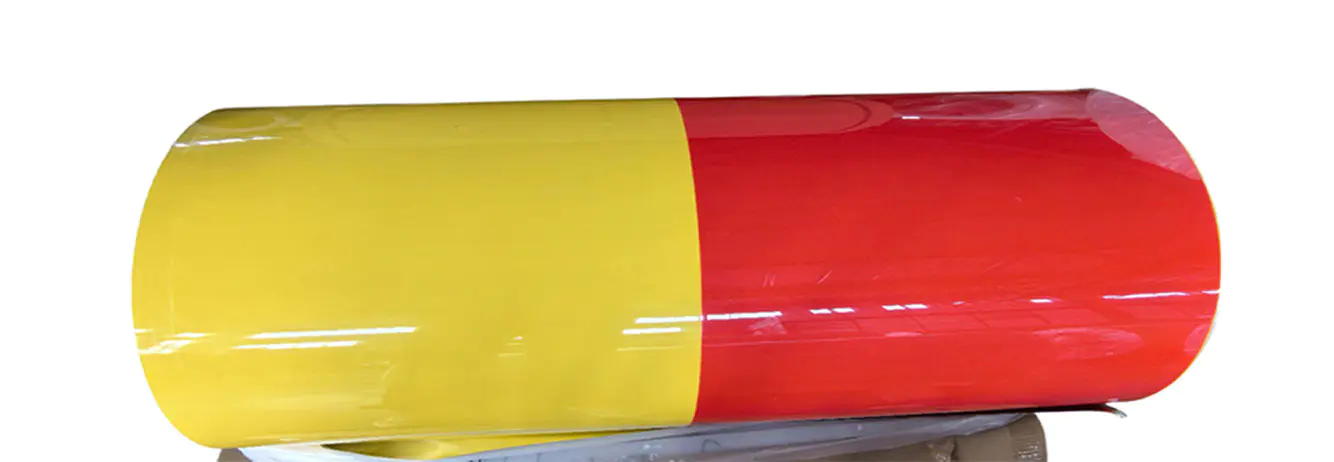
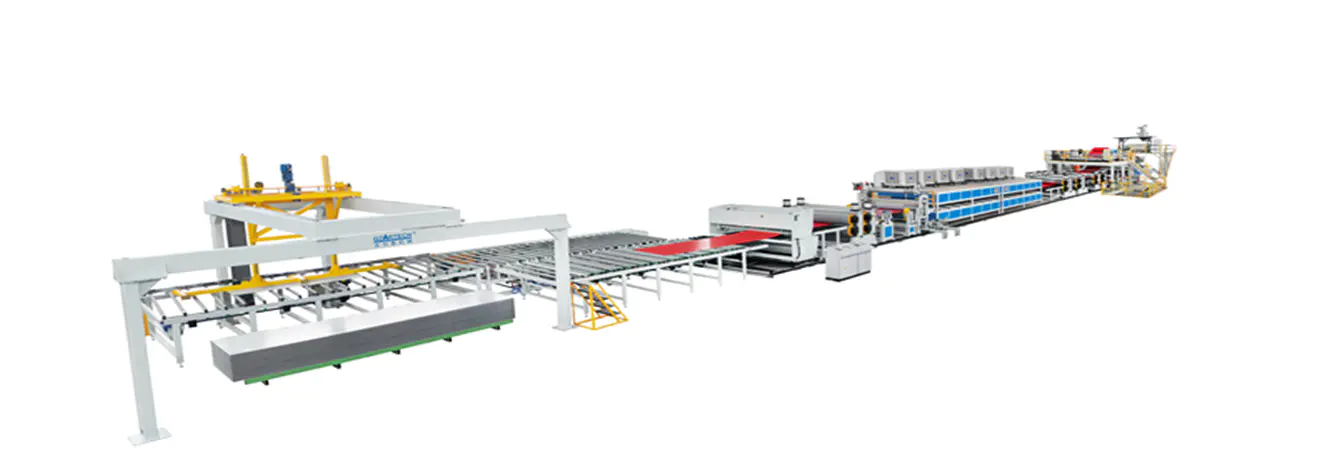
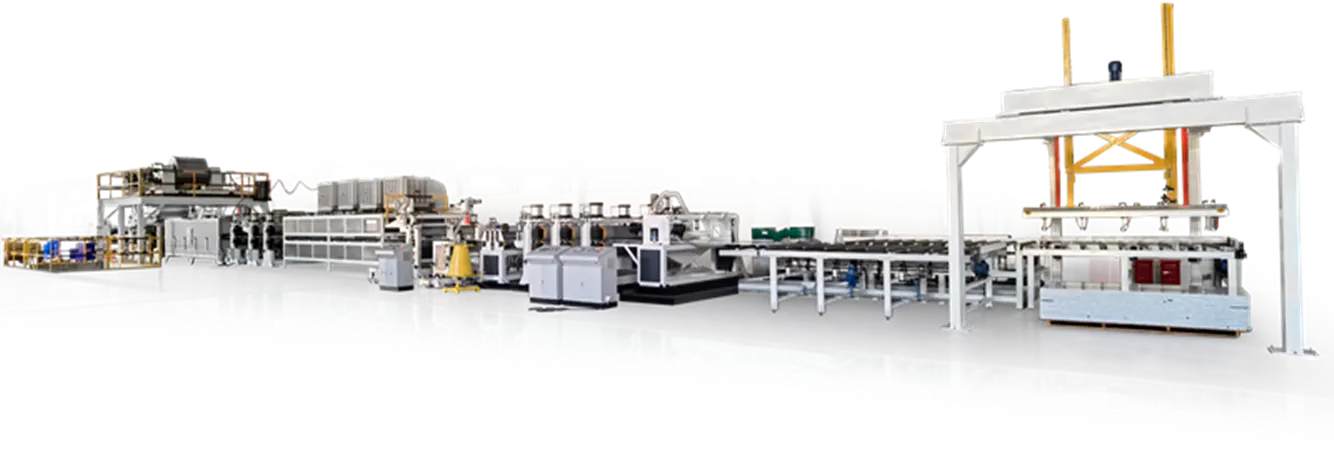
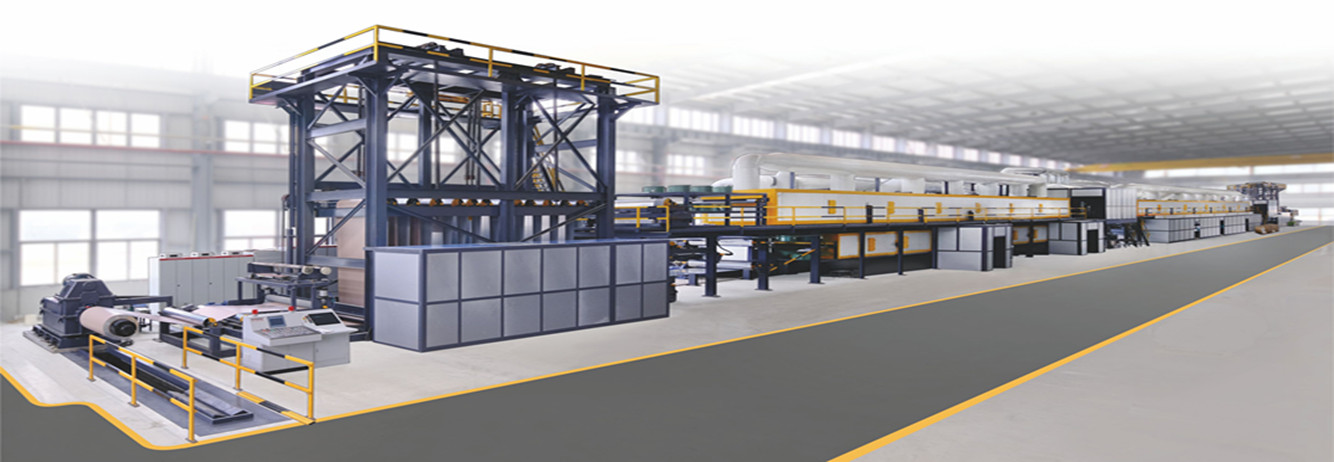
Modern roofing systems increasingly use lightweight metal materials that combine decorative appearance with weather resistance. Color Coated Aluminum Coil products are widely applied in residential, commercial, and industrial roofing projects because they offer corrosion resistance, flexible surface finishes, and convenient processing performance. At the same time, Coil Coating Line technology supports continuous coating production, helping manufacturers maintain stable coating quality during large-scale manufacturing.
As construction projects continue focusing on durability and installation efficiency, coated aluminum materials are becoming more common in modern roofing applications across different climate conditions.
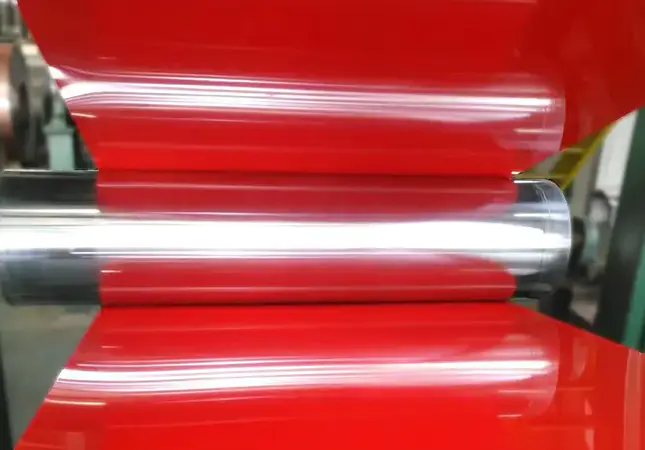
Advantages of Color Coated Aluminum Coil in Roofing
One of the important advantages of Color Coated Aluminum Coil materials is their lightweight structure. Compared with some traditional roofing materials, aluminum panels are easier to transport, handle, and install during construction. Reduced material weight can also support structural flexibility in different building designs.
The coating layer applied during Coil Coating Line production helps protect the aluminum surface from moisture, sunlight, and environmental exposure. Proper coating systems contribute to improving weather resistance and maintaining surface appearance during long-term outdoor use.
Another advantage is decorative flexibility. Roofing materials are now available in different colors, gloss levels, matte finishes, and textured surfaces to match modern architectural styles. Wood grain and metallic finishes are also increasingly used in residential and commercial buildings.
Common Roofing Applications
Color Coated Aluminum Coil materials are widely used in residential roofing systems, commercial buildings, industrial workshops, agricultural structures, and prefabricated construction projects.
In coastal and humid regions, coated aluminum roofing materials are often selected because they provide relatively stable corrosion resistance under moisture exposure. Some modern transportation facilities and public buildings also use coated aluminum roofing panels because of their lightweight and decorative characteristics.
The material can be processed into different roofing panel shapes according to project requirements. Curved panels, corrugated structures, and standing seam roofing systems are all common applications in modern construction.
Role of Coil Coating Line Technology
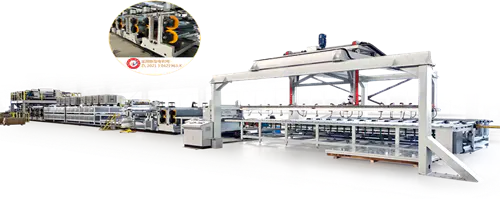
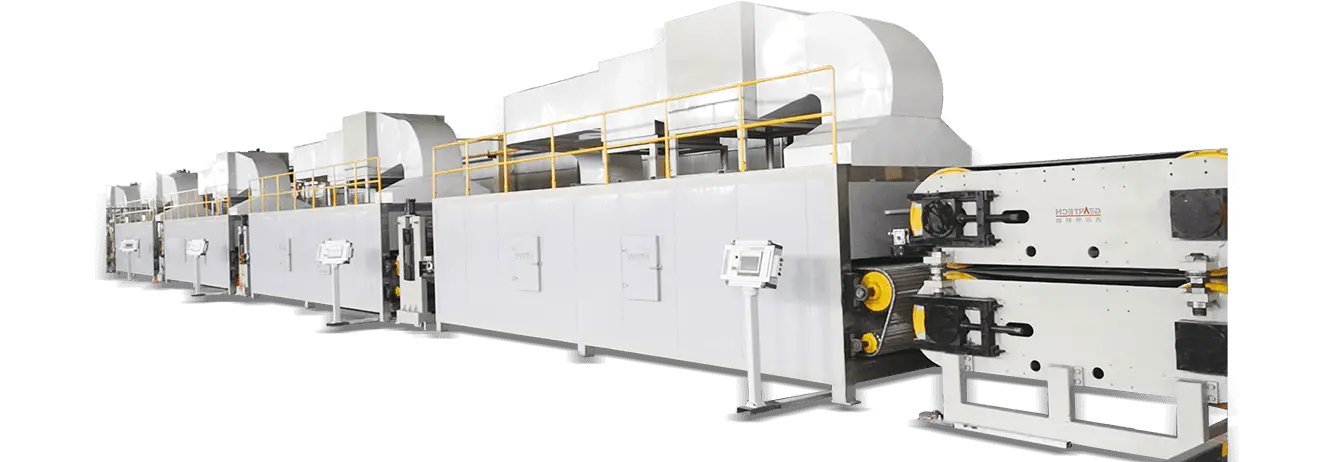
Coil Coating Line systems play an important role in roofing material manufacturing. Continuous production combines cleaning, pretreatment, coating, curing, and inspection within one workflow, helping manufacturers maintain relatively stable coating consistency across large aluminum coil surfaces.
Pretreatment improves coating adhesion and corrosion resistance before paint application. Roller coating systems then distribute coating materials evenly across the aluminum surface. After curing and cooling procedures, inspection systems help identify scratches, coating irregularities, or color variation before packaging and transportation.
Continuous manufacturing also supports smoother workflow coordination during large-volume roofing material production.
Coating Types and Surface Performance
Different coating systems are used according to the roofing application environments. Polyester coatings are commonly selected for general construction projects, while fluorocarbon coatings are often used in exterior roofing systems exposed to stronger sunlight, rain, or humid conditions.
Roofing materials must withstand temperature changes, ultraviolet exposure, wind, and moisture over long periods. Because of this, coating durability and surface stability are important considerations during material selection.
Proper coating thickness, curing conditions, and surface treatment all contribute to maintaining outdoor performance and decorative appearance during long-term use.
Industry Trends in Roofing Materials
Modern construction trends continue to increase the demand for lightweight and decorative roofing materials. Architects and builders are paying more attention to surface appearance, installation efficiency, and weather resistance in roofing design.
Environmental awareness is also influencing manufacturing technologies. Some factories are adopting lower-emission coatings and energy-saving curing systems in Coil Coating Line production.
At the same time, matte finishes, textured coatings, and customized roofing colors are becoming more common in residential and commercial projects.
Color Coated Aluminum Coil materials continue gaining attention in modern roofing applications because they combine lightweight structures, decorative flexibility, and corrosion resistance. They are widely used in residential, commercial, industrial, and public construction projects across different environments.
Meanwhile, Coil Coating Line technology supports stable coating production through continuous manufacturing processes that help maintain surface consistency and efficient workflow management in roofing material manufacturing.


 中文简体
中文简体 English
 Português
 русский
 Español
 عربى
عربى