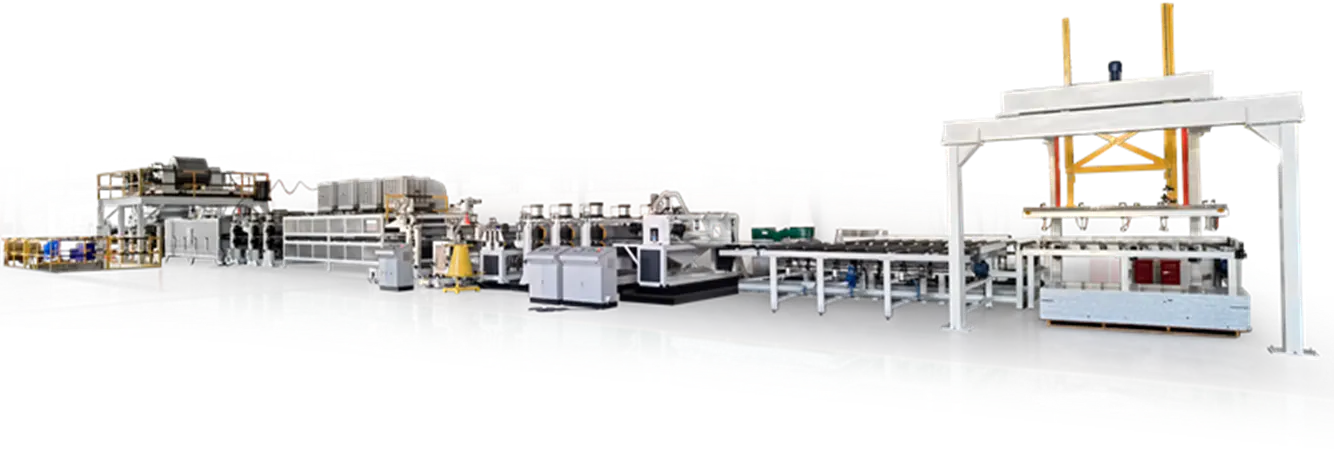
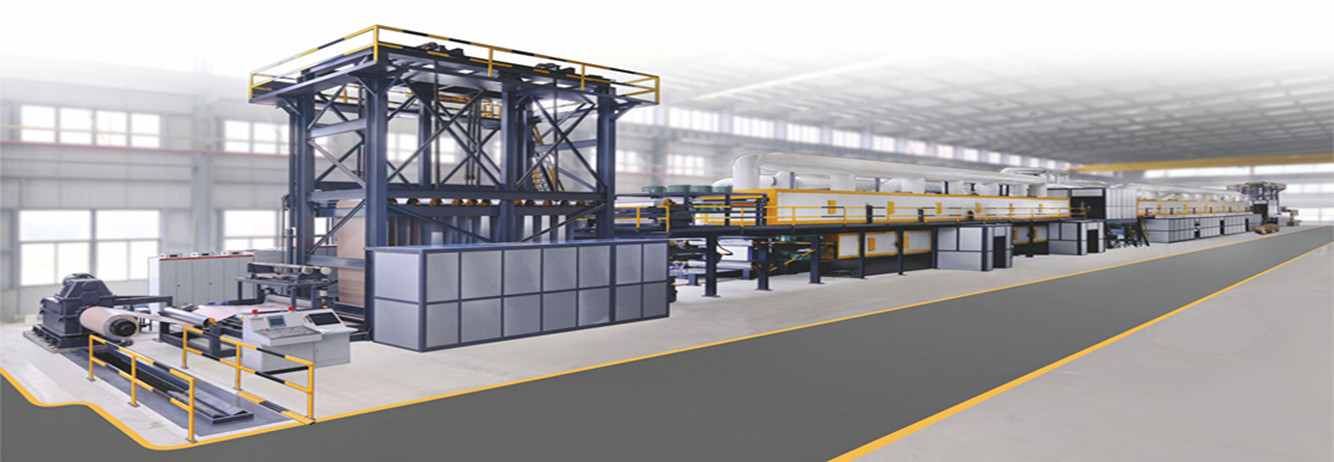
As construction projects increasingly focus on fire safety, material durability and architectural appearance, aluminum composite panel manufacturers are facing new production demands. Overseas buyers are paying closer attention to equipment compatibility, bonding quality, automation and operating costs. For companies planning to expand production or upgrade existing facilities, choosing suitable Aluminum Composite P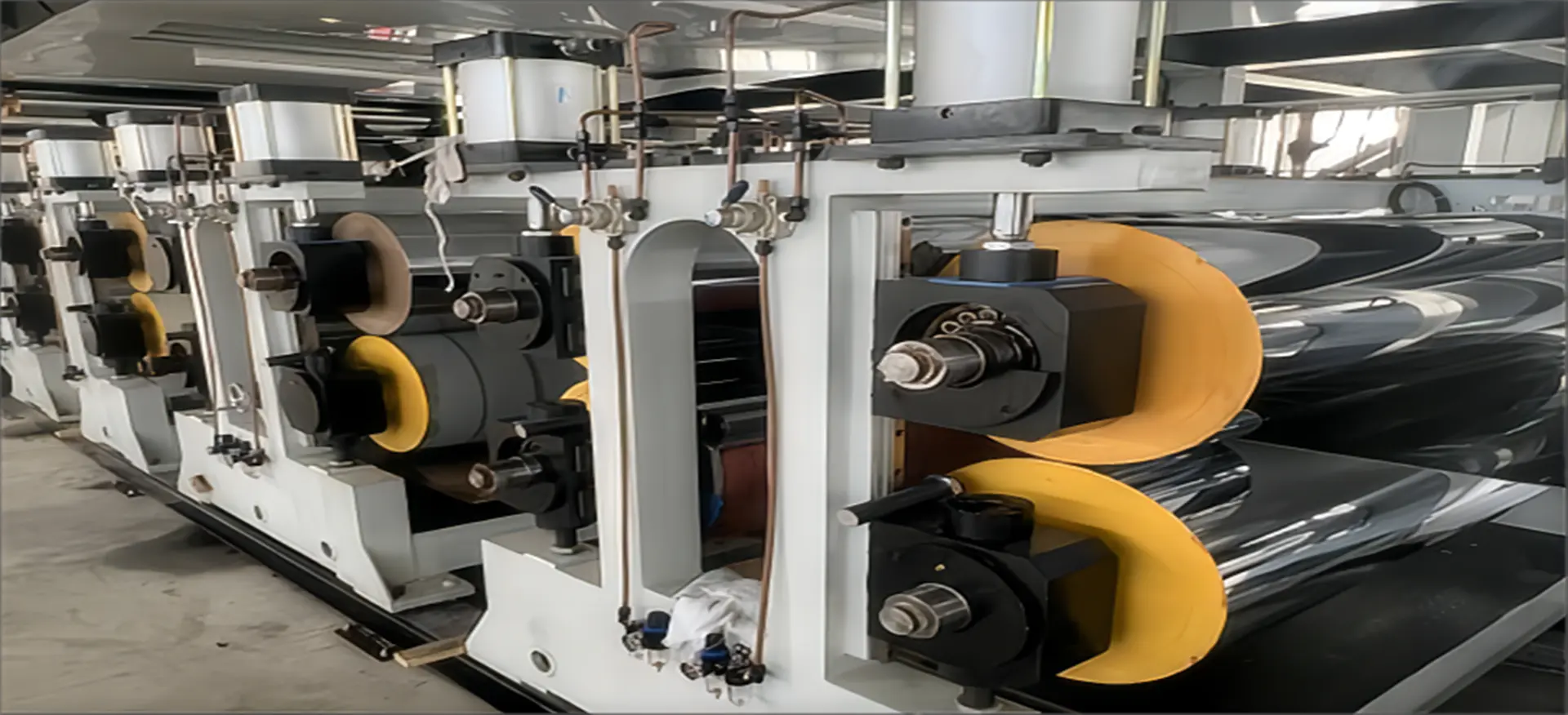 anel Equipment is essential for meeting different customer requirements and maintaining stable manufacturing operations.
Fire-Resistant Panels Create New Equipment Requirements
Fire safety has become an important concern in commercial buildings, public facilities and high-rise construction. This has increased interest in fire-retardant aluminum composite panels and placed additional requirements on production equipment.
Different core materials may require adjustments to heating, feeding and lamination conditions. Manufacturers should therefore confirm whether a production line supports their intended material formulations before purchasing.
Important factors include core material compatibility, temperature regulation, bonding performance and the ability to handle different panel structures. Understanding these requirements helps buyers avoid production difficulties after installation.
Stable Bonding Determines Panel Quality
Bonding problems are a common concern in aluminum composite panel manufacturing. Surface bubbles, uneven adhesion and panel deformation can affect finished product quality and increase material waste.
These issues may be related to adhesive application, heating conditions, pressing pressure or material alignment. A coordinated production process is therefore important.
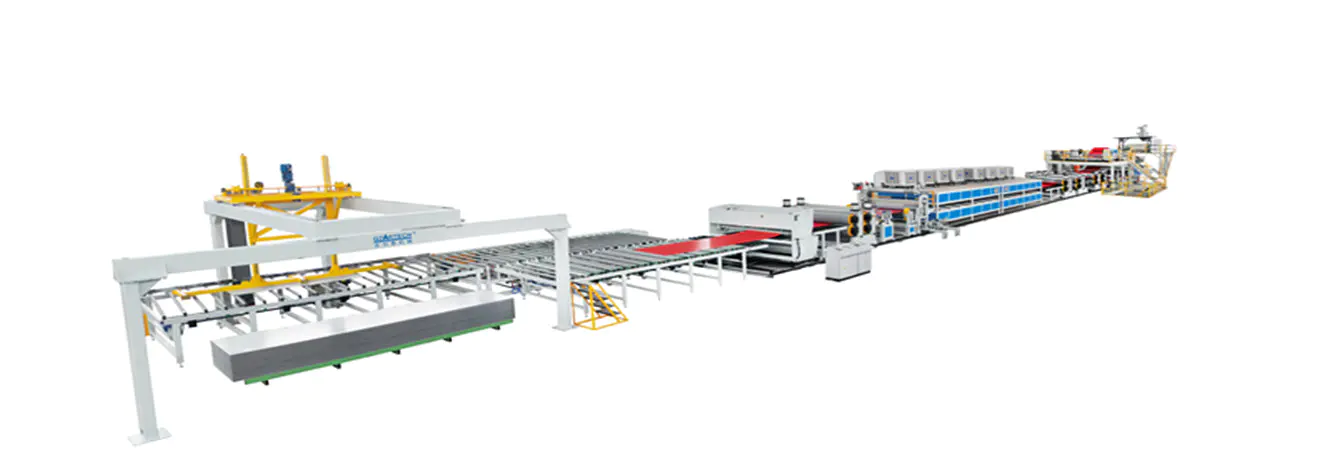
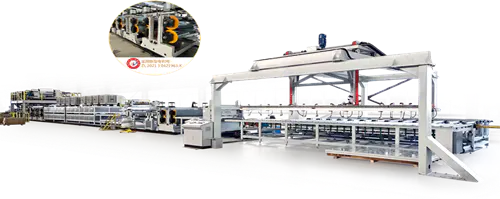
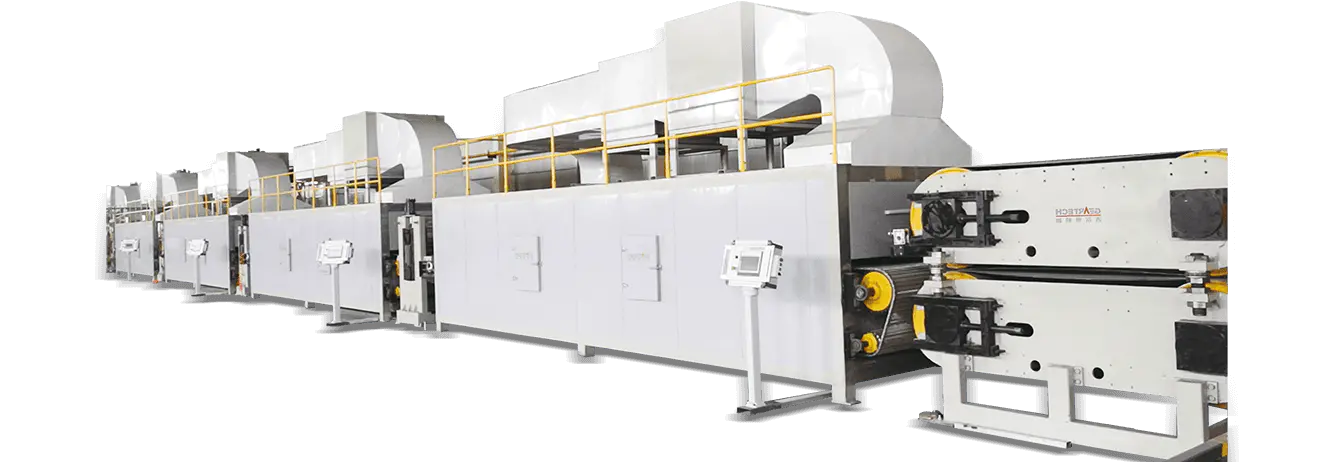
When evaluating equipment, buyers should examine how unwinding, feeding, heating, laminating and cooling sections work together. As a manufacturer, we pay attention to the coordination of these processes because stable operation helps maintain consistent panel quality.
Automation Improves Production Management
Automation is becoming increasingly relevant to modern ACP manufacturing. PLC control systems, touchscreen interfaces and synchronized drive systems can help operators manage production conditions more conveniently.
These functions support temperature adjustment, operating parameter management and coordination between different processing sections. They can also make it easier to switch between product specifications.
For buyers, the important consideration is whether the automation system matches actual production needs. A practical configuration should improve daily operation without adding unnecessary complexity.
Flexible Production Meets Different Market Demands
Aluminum composite panels are used in building facades, interior decoration, advertising displays and commercial signage. Different applications require different panel dimensions, thicknesses, finishes and core materials.
Manufacturers serving multiple customer groups need equipment that can accommodate their target product range.
Before placing an order, buyers should confirm the supported aluminum coil width, panel thickness, core material compatibility and available processing functions. Discussing future product plans with the supplier can also help avoid limitations when expanding the product range.
Energy Consumption and Factory Layout
Operating costs are another important factor in equipment investment. Heating systems, extrusion units, cooling sections and auxiliary machinery all contribute to factory energy consumption.
Buyers should review heating efficiency, insulation design, motor configurations and temperature control when comparing production lines.
Factory space also needs careful planning. Equipment installation requires suitable electrical capacity, material storage areas and enough room for finished panel handling. Providing factory drawings in advance helps suppliers assess installation conditions and recommend an appropriate layout.
Technical Support for International Equipment Buyers
For overseas manufacturers, after-sales service can directly affect production preparation and equipment operation. Installation guidance, commissioning, operator training and spare parts availability should be discussed before purchasing.
Buyers should also confirm whether the supplier provides operating manuals, technical documentation and troubleshooting assistance. Clear communication helps reduce misunderstandings during installation and daily operation.
Working with an experienced equipment manufacturer makes it easier to evaluate technical requirements and select a suitable production configuration.
Making a Practical Equipment Investment
The aluminum composite panel industry continues to focus on fire safety, bonding consistency, product flexibility and production efficiency. These factors are influencing how manufacturers plan new facilities and upgrade existing production lines.
As a manufacturer, we recommend selecting Aluminum Composite Panel Equipment based on raw materials, target panel specifications, factory conditions and long-term production plans. Evaluating these factors before purchasing helps buyers make informed investment decisions and build a production system suited to changing market demands.


 中文简体
 English
 Português
 русский
 Español
 عربى