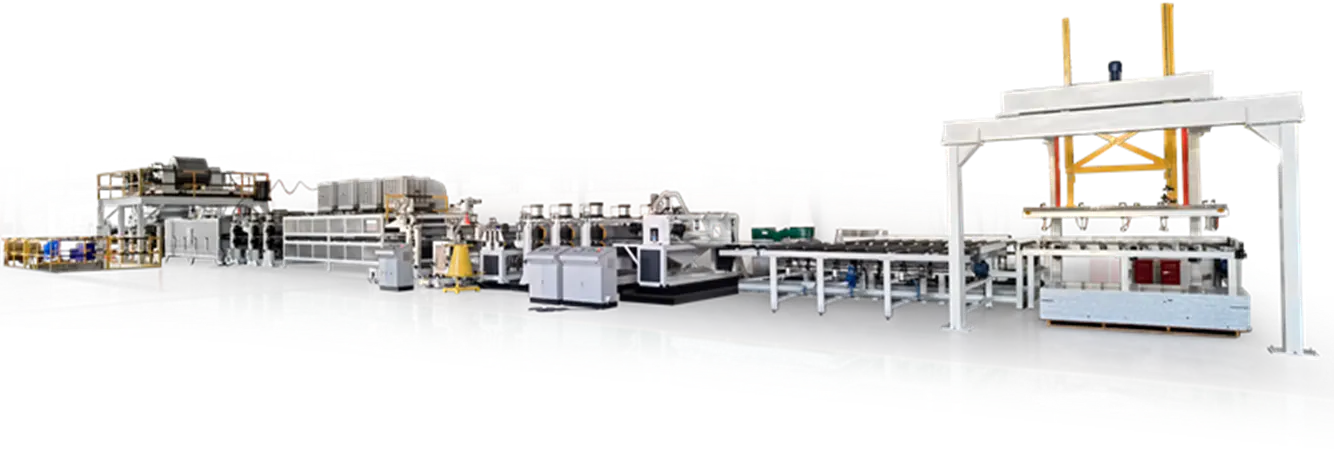
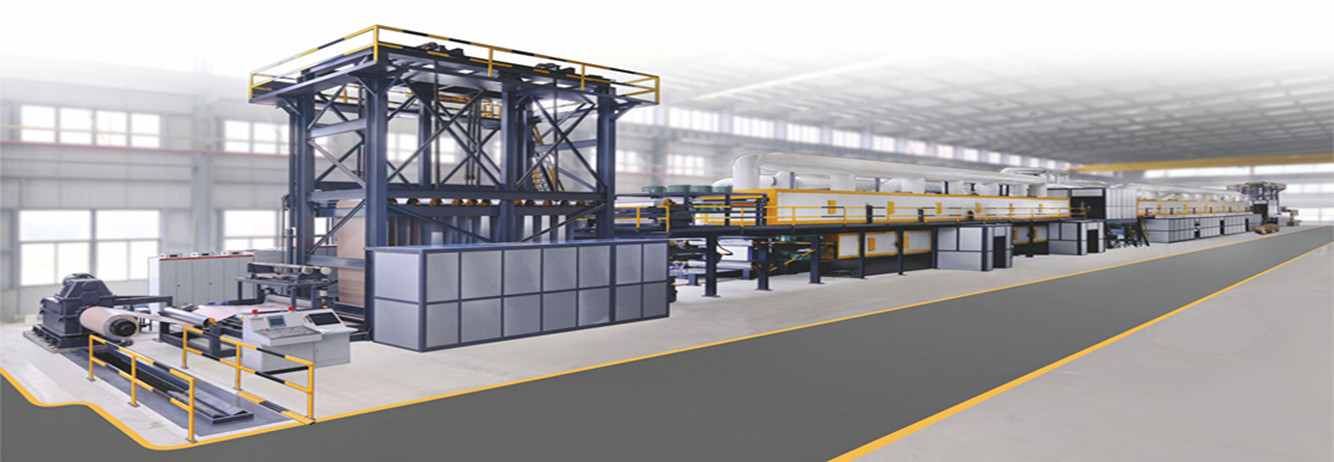
An aluminum composite panel factory can have a well-designed production plan and still lose time through small problems that appear during everyday operation. A material roll may not feed smoothly, a panel edge may require repeated trimming, or an operator may spend too long adjusting the line between orders. For manufacturers supplying construction, signage, interior, and decorative panel markets, these details can gradually affect production efficiency. A properly configured ACP Line should therefore be considered from the perspective of daily factory work, not only its headline production specifications.
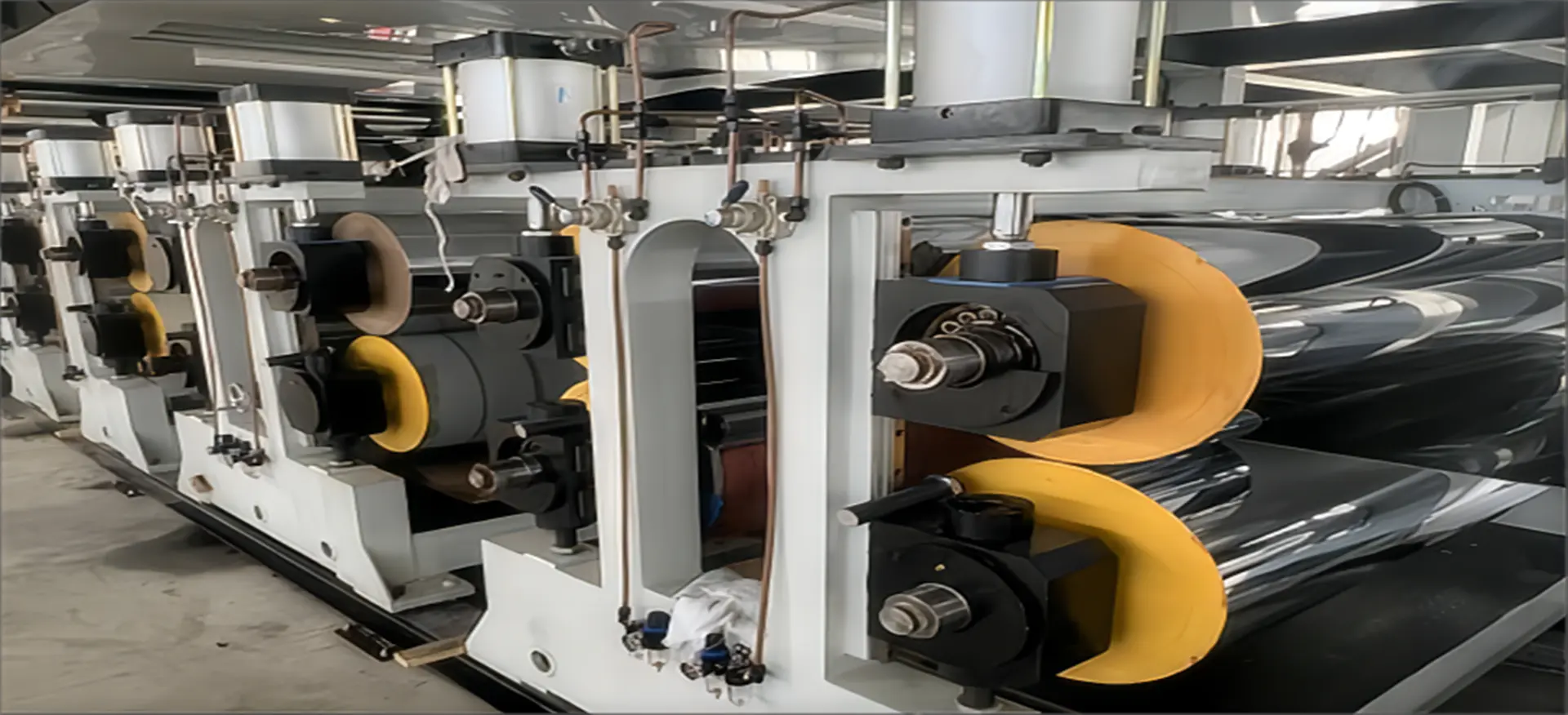
Watch What Happens During Material Feeding
Many production issues begin before the core material and aluminum sheets reach the main laminating section. If a coil is not positioned correctly or material tension changes during feeding, operators may need to stop and make adjustments.
This becomes more noticeable when factories handle different material widths or switch between orders regularly. A practical feeding system should keep material movement controlled and make routine adjustments accessible to operators. When discussing equipment with a supplier, buyers should ask how the line handles coil changes, alignment, tension adjustment, and continuous feeding rather than focusing only on the main machine.
Uneven Bonding Can Create Problems Later
Bonding problems are not always obvious when a panel leaves the production section. A panel may appear acceptable but later show separation, surface irregularities, or edge defects during cutting and fabrication.
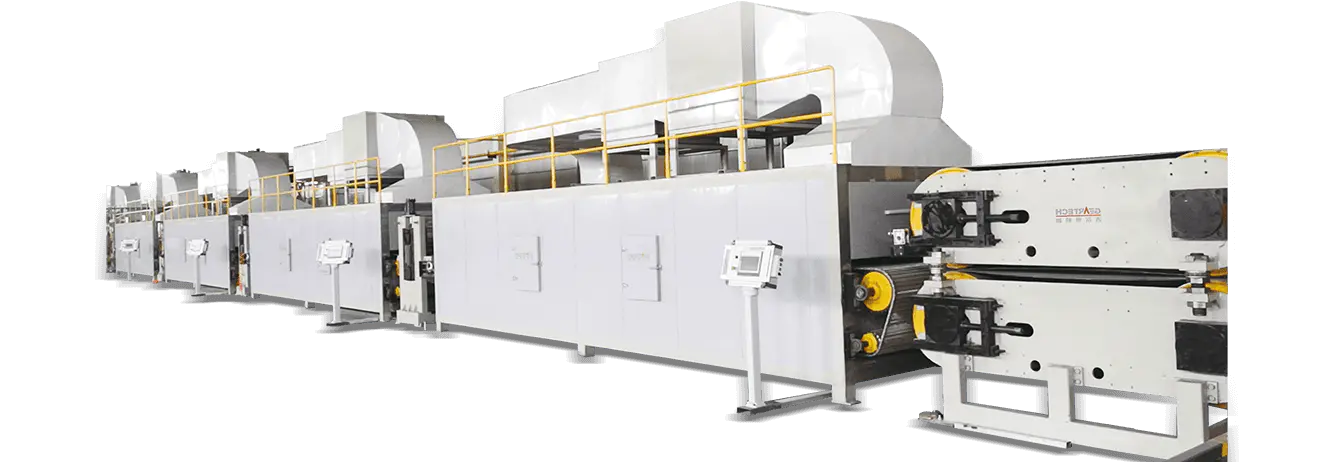
For this reason, manufacturers need to pay attention to the relationship between material preparation, heating, pressure, lamination, and cooling. These stages should operate as a connected process. From an equipment manufacturer's perspective, we consider process coordination particularly important because changing one condition can influence what happens in the following section.
Don't Let Product Changes Disrupt the Whole Shift
Mixed orders are common in many manufacturing environments. A customer may request panels with different dimensions or finishes, and the factory needs to move from one specification to another without creating unnecessary material loss.
Operators should have a clear procedure for product changes. Before switching production, they can prepare the next material, confirm the required settings, check the cutting dimensions, and inspect the panels from the new run. A line that supports straightforward parameter adjustment can make this routine easier to manage.
Surface Inspection Should Happen During Production
Waiting until a complete batch has been produced before checking quality can make small defects much harder to control. Regular inspection during production allows operators to notice changes in panel appearance, dimensions, edges, and bonding condition earlier.
A useful factory inspection routine can include:
- Checking the aluminum surface for visible marks
- Monitoring panel dimensions during production
- Inspecting trimmed edges
- Checking panel flatness
- Reviewing the panels after a material or specification change
These checks do not replace formal product testing, but they can help production teams identify process changes before they affect a larger quantity of panels.
Maintenance Is Part of Production Planning
Equipment maintenance is sometimes treated as something that happens only after a problem occurs. In a continuous production environment, however, accessible maintenance points and routine inspection can make daily operation easier.
Before purchasing an ACP Line, buyers should understand which components require regular cleaning, lubrication, adjustment, or replacement. They should also ask about access to wear parts and technical support after installation. A machine that is difficult to maintain can create unnecessary interruptions even when its main production functions are suitable.
Factory Layout Affects Material Movement
The production line does not operate independently from the rest of the factory. Raw materials need to reach the feeding section, finished panels need to move toward inspection and packaging, and production scrap needs to leave the working area without interfering with operators.
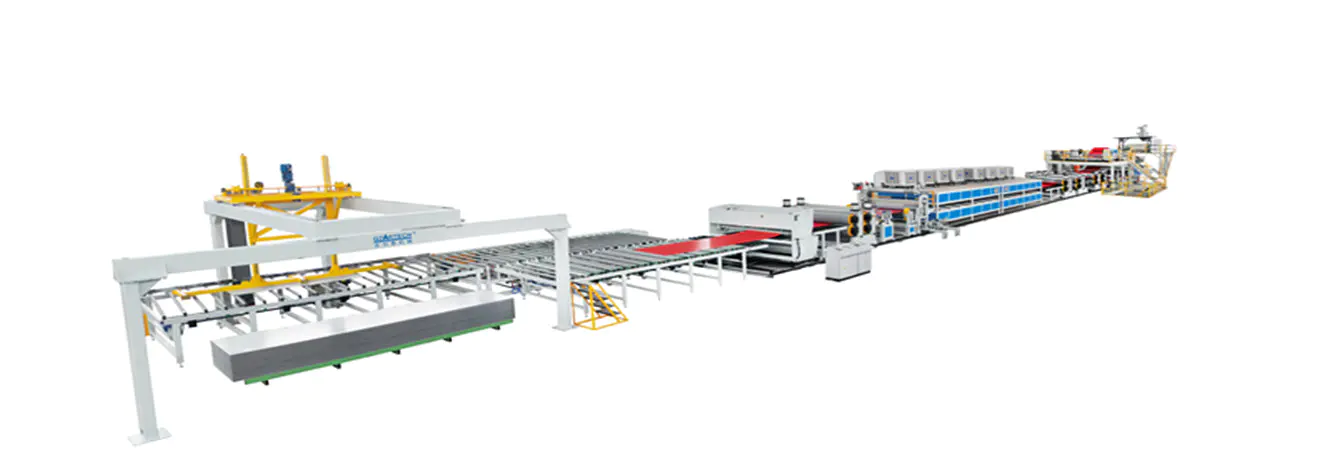
A thoughtful layout can reduce unnecessary handling. Equipment placement should consider coil storage, panel movement, operator access, maintenance space, finished-product storage, and scrap collection. These practical details are easy to overlook during equipment purchasing but become part of everyday work once production starts.
Choose Equipment With Daily Operations in Mind
A production line should make sense not only on paper but also on the factory floor. Stable feeding, coordinated lamination, manageable product changes, convenient inspection, accessible maintenance, and organized material movement can all influence how comfortably a manufacturing team works each day.
As an ACP equipment manufacturer, we look beyond individual machines when developing an ACP Line configuration. By understanding the customer's panel specifications, materials, production habits, factory space, and downstream processes, we can help create equipment solutions that fit real manufacturing conditions rather than forcing the factory to adapt its workflow around the machine.


 中文简体
 English
 Português
 русский
 Español
 عربى