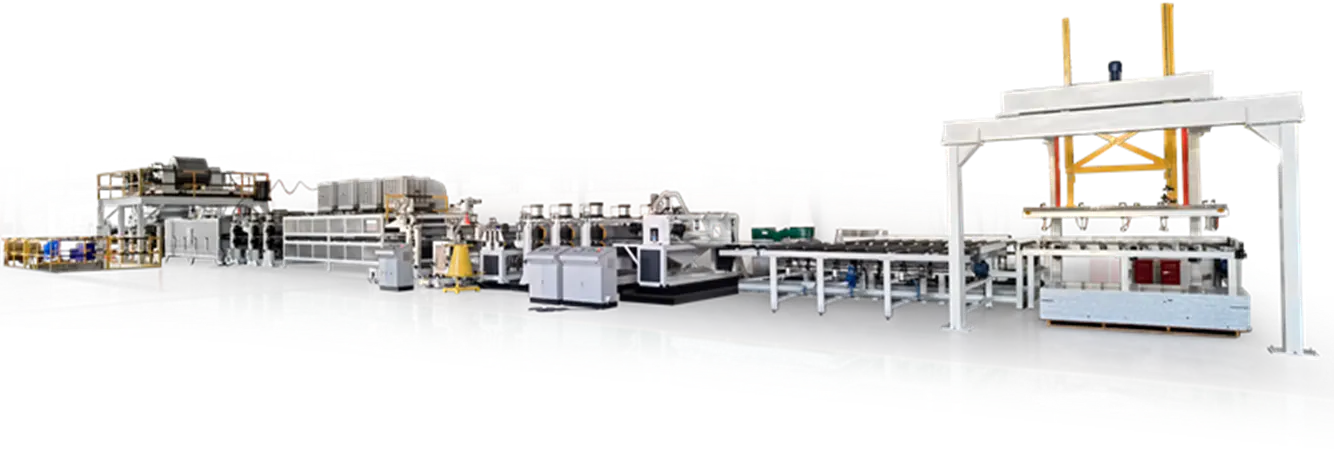
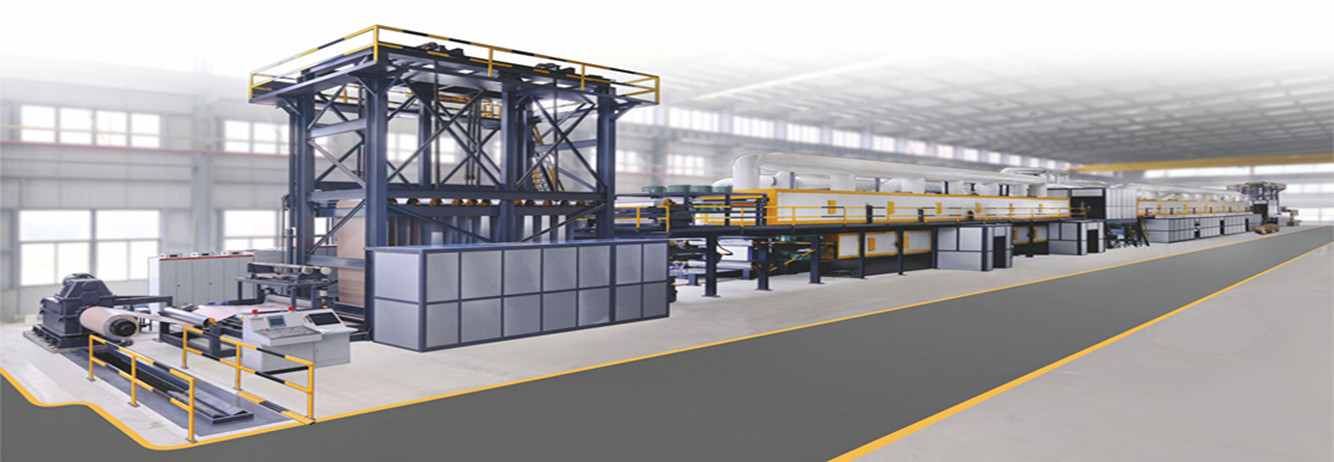
For an aluminum composite panel manufacturer, the real challenge is often not producing a panel once, but producing the same quality throughout a busy production week. Orders may involve different widths, finishes, core materials, and delivery schedules, while operators still need to keep feeding, laminating, cooling, trimming, and cutting running smoothly. As ACP applications continue across building façades, interior decoration, signage, and other markets, buyers are paying more attention to production flexibility and process consistency when evaluating an ACP Line.
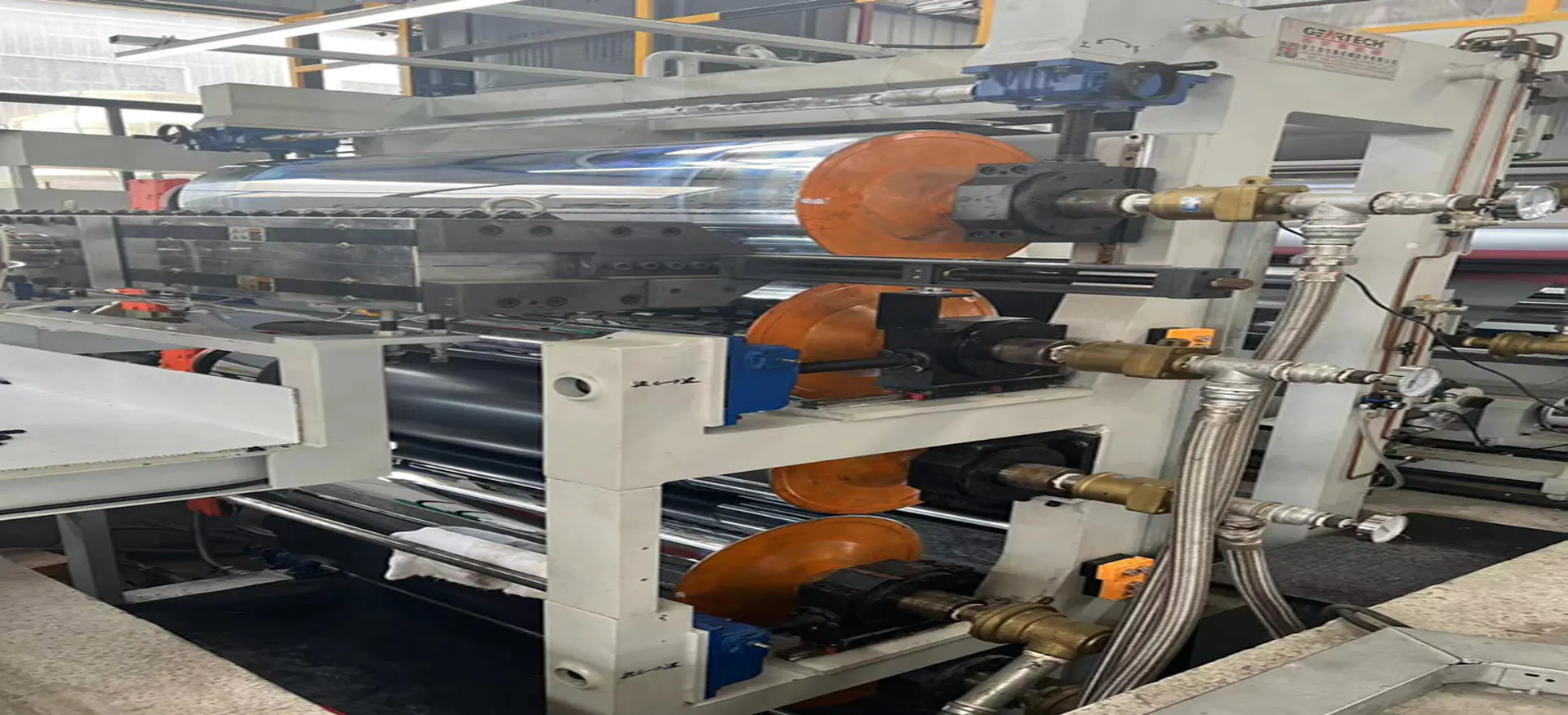
When a Production Order Changes Midweek
A typical factory may finish one panel specification in the morning and prepare another order later in the day. The problem is not simply changing a few settings. Material feeding, temperature conditions, line speed, panel dimensions, and cutting parameters may all need adjustment.
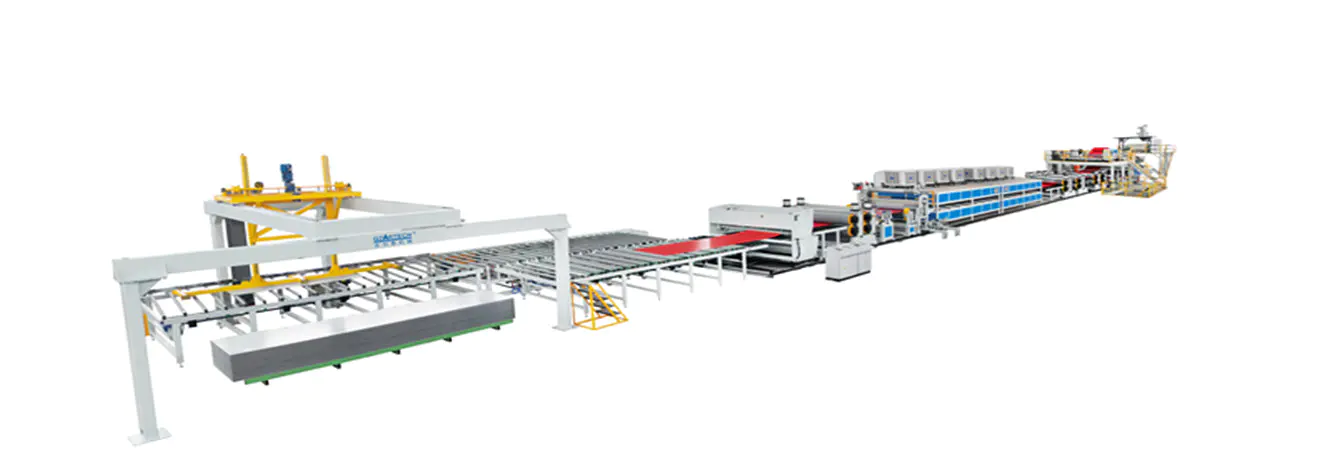
Before selecting an aluminum composite panel production line, manufacturers should list the specifications they expect to run regularly. This makes it easier to determine which sections need adjustment and which operating parameters should be monitored during product changes.
Keep the Aluminum Surface Looking Clean
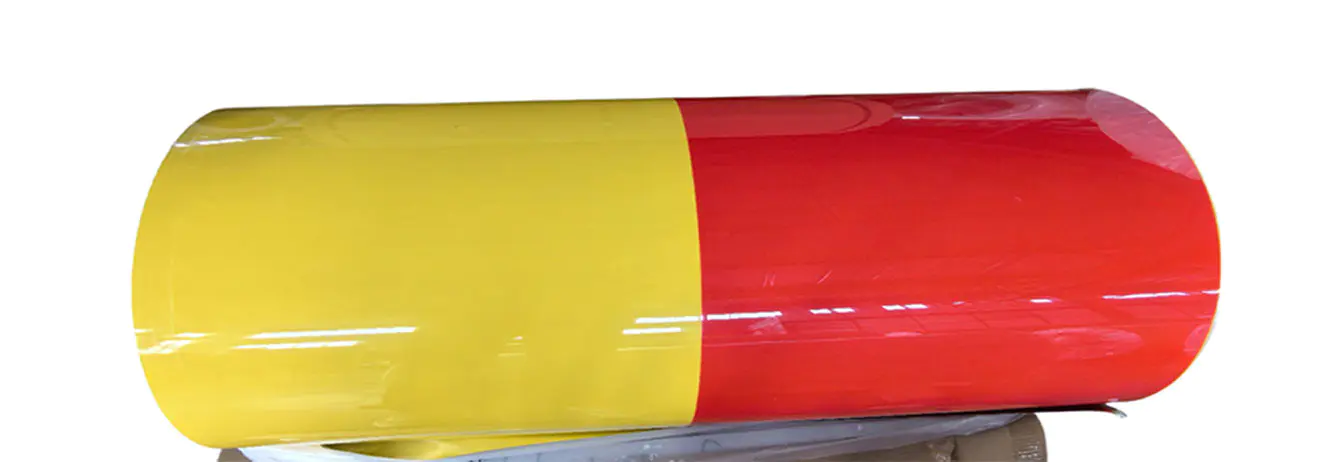
For many customers, surface appearance is noticed before technical details. A small scratch, wrinkle, uneven edge, or visible bonding issue can become a problem when panels are used on a building façade, shop sign, wall, or interior feature.
Good material handling therefore matters throughout the process. Coil feeding should remain controlled, while the laminating and cooling sections need to work together without creating unnecessary movement or deformation. From our manufacturing experience, checking surface quality during production is much easier than discovering a large batch problem after the panels have been cut and packed.
Pay Attention to Temperature Changes
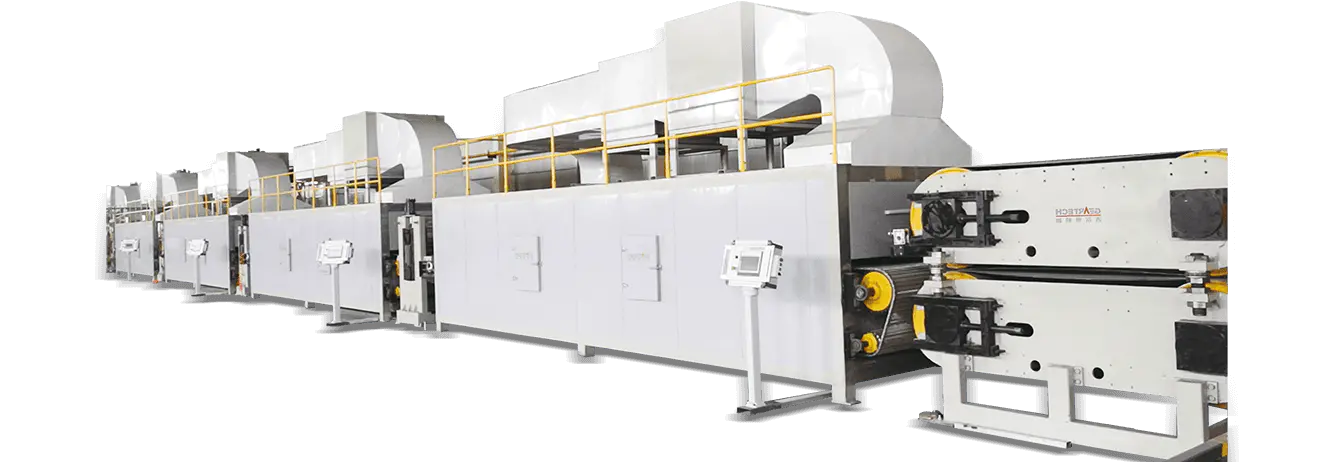
Temperature control is one of the everyday issues that operators need to manage carefully. Different core materials and production conditions can require different processing settings, so a line designed around a single fixed production recipe may not be suitable for a factory handling varied orders.
A practical ACP Line should allow operators to monitor and adjust relevant process conditions in a controlled way. The purpose is not to make operation complicated, but to give the production team enough information to respond when material behavior or product requirements change.
Make Cutting and Trimming Part of the Plan
A panel can look good after lamination and still create trouble during finishing. Uneven trimming or inaccurate cutting may affect packaging, installation, or later CNC processing.
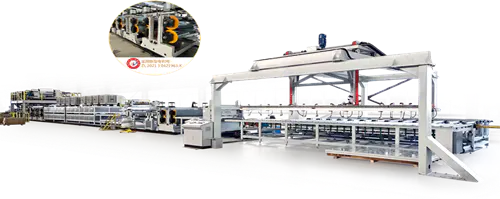
For this reason, buyers should consider the complete production flow instead of evaluating the main laminating section alone. Useful questions include:
- How will finished panels move between production stages?
- What edge condition is required for the final application?
- How will different panel widths be handled?
- Can cutting settings be adjusted for different orders?
- Where will production offcuts be collected?
Thinking about these details early can prevent small production issues from becoming recurring factory problems.
Fire Requirements Need to Match the Target Market
Fire performance has also become a more visible issue in ACP discussions. Recent research continues to examine the fire behavior and thermal characteristics of composite cladding panels, including the role of panel construction and delamination during assessment.
This means buyers should not simply ask whether a line can produce “fire-resistant ACP.” The more useful approach is to define the intended core material, target application, applicable local requirements, and required testing before equipment configuration. Different markets and panel structures may require different production considerations.
Don't Forget What Happens to Production Scrap
Material waste is another practical factory issue. Clean aluminum offcuts and composite production scrap may require different handling routes because ACP consists of bonded layers rather than a single material. Research on ACP recycling has highlighted the difficulty of separating aluminum skins from polymeric or mineral cores.
For manufacturers, this can be addressed at the factory-layout stage. Separating clean production offcuts, organizing collection points, and planning material handling can make daily operations more orderly while supporting later recycling or recovery processes where suitable.
Build the Line Around Real Factory Work
Choosing an ACP Line should start with the products a manufacturer actually plans to make, rather than a machine specification considered on its own. Panel dimensions, core materials, surface requirements, production changes, finishing processes, and target markets all influence the equipment configuration.
As an ACP equipment manufacturer, we focus on matching the production line to the customer's working process. By discussing actual panel specifications and daily production requirements before equipment selection, we can help create a line that is easier to operate, easier to adjust, and better aligned with long-term manufacturing needs.


 中文简体
 English
 Português
 русский
 Español
 عربى