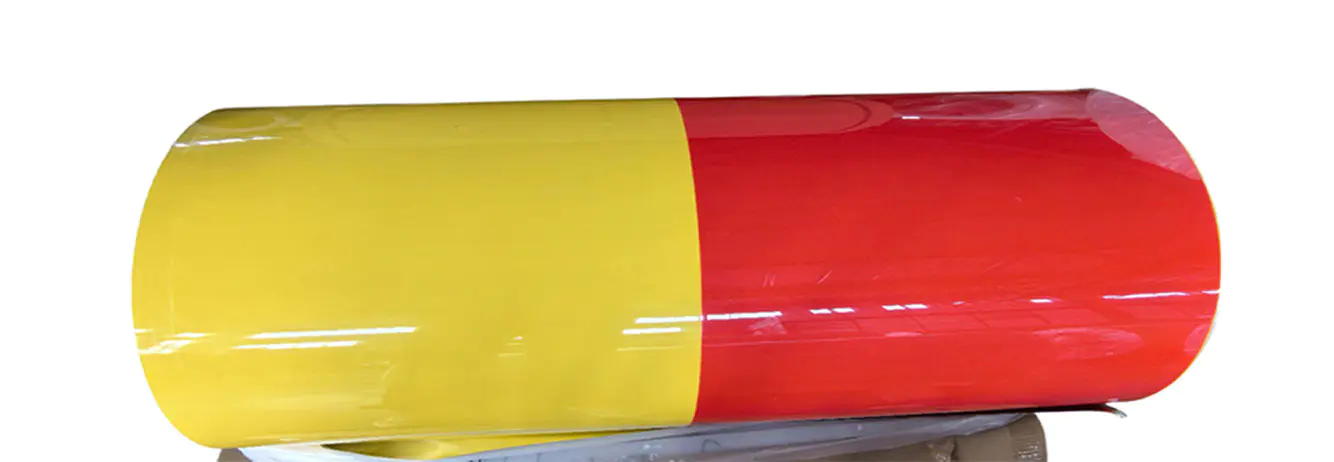
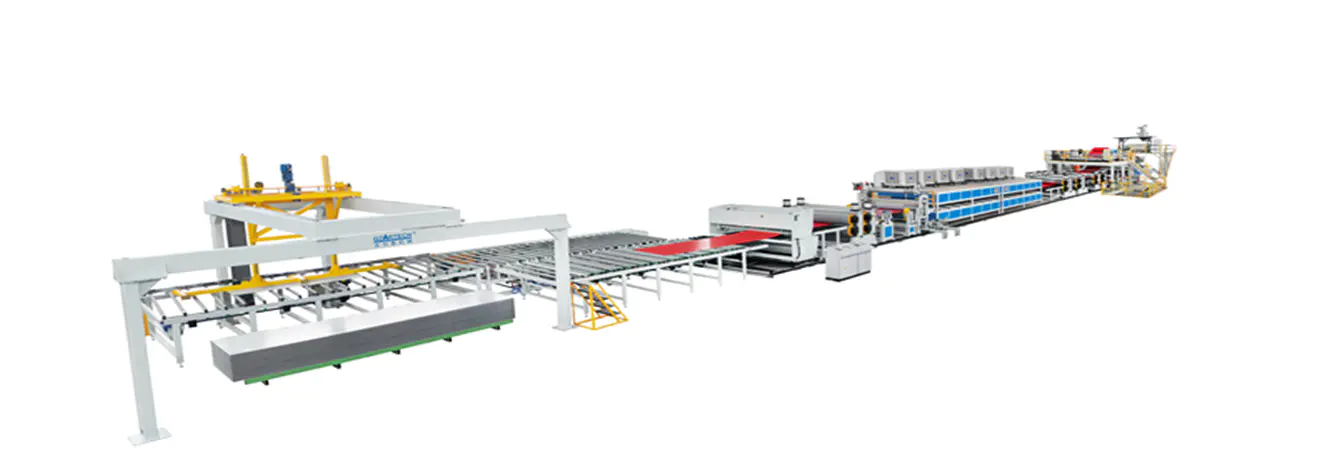
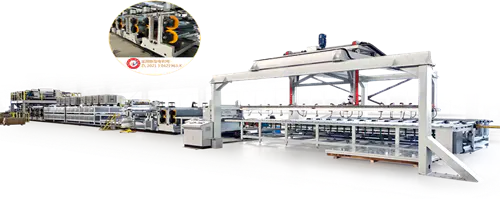
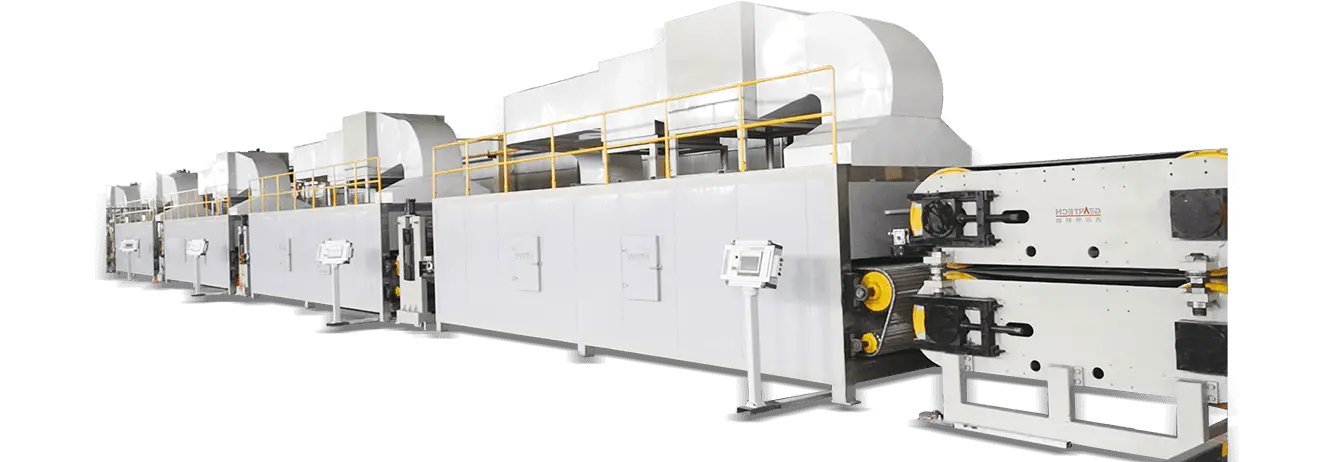
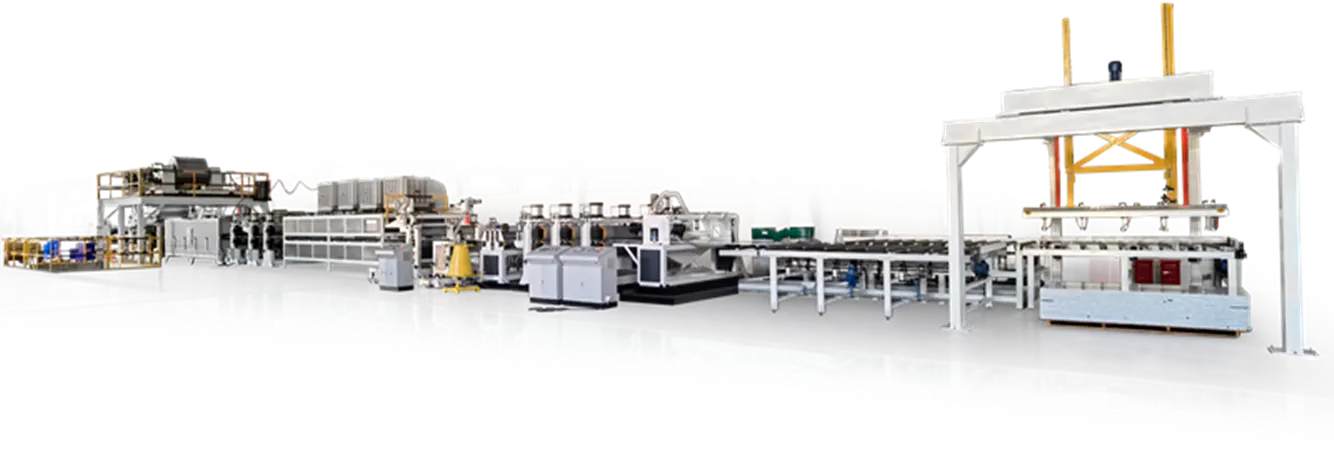
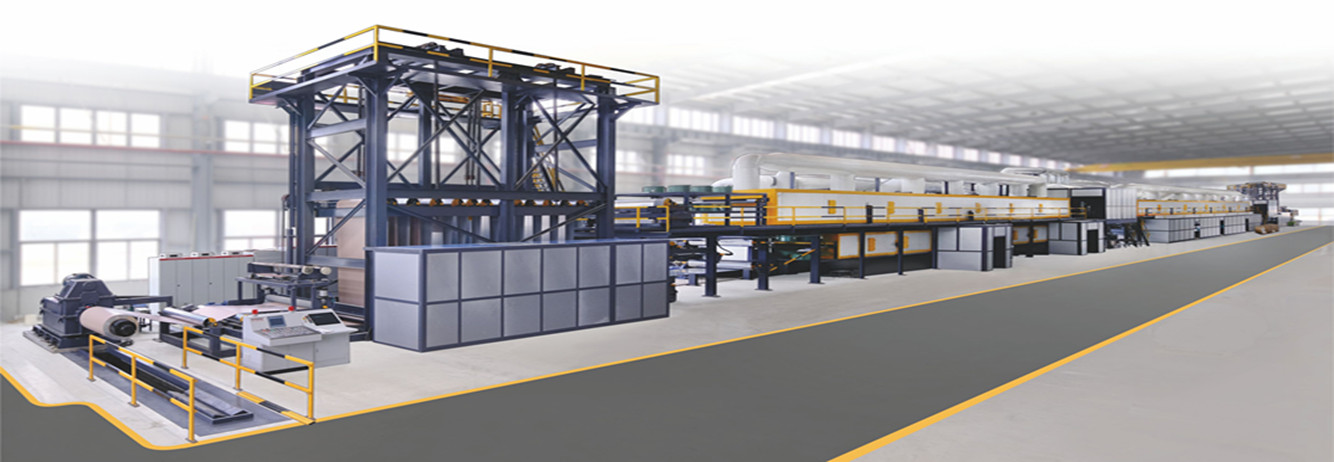
For aluminum composite panel manufacturers, production is rarely limited to one fixed panel specification. Orders can vary in panel thickness, width, surface finish, aluminum skin, core material, and application. This makes production flexibility an important consideration when selecting an ACP Line. A well-matched line should not only support continuous manufacturing but also help manufacturers handle product changes while maintaining stable panel quality and manageable operating processes.
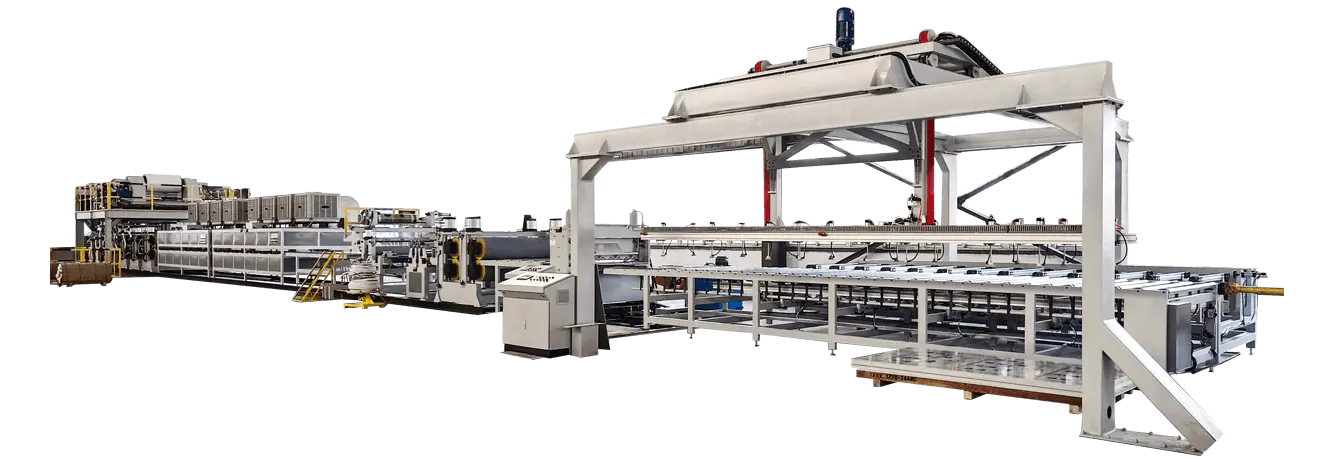
Different Orders Create Different Production Demands
A factory supplying distributors, construction companies, signage producers, and interior material businesses may receive orders with different specifications. Running every order through exactly the same settings can create unnecessary adjustments or quality variations.
Before purchasing equipment, manufacturers should identify the product combinations they expect to produce regularly. Important factors include:
- Panel dimensions and thickness range
- Aluminum coil specifications
- Core material and processing conditions
- Surface coating and finish requirements
- Cutting and edge-processing requirements
- Expected frequency of product changes
This information gives equipment engineers a practical basis for configuring the production process.
Material Feeding Needs Consistent Control
Aluminum coil feeding looks straightforward, but unstable feeding can affect later stages of production. Coil alignment, tension, speed synchronization, and material handling all influence how smoothly the aluminum layer enters the laminating process.
If tension changes during continuous production, the aluminum sheet may shift or develop surface problems. For this reason, buyers should examine the feeding and tension-control system as part of the complete production line rather than treating the unwinding section as a separate machine.
Surface Quality Starts During the Production Process
Customers often judge ACP panels by their visible surface before considering other technical characteristics. Small wrinkles, uneven bonding, scratches, contamination, or inconsistent flatness can make otherwise usable panels difficult to sell.
Surface quality depends on several connected conditions. Clean material handling, suitable process temperatures, controlled pressure, stable web movement, and appropriate cooling all contribute to the final appearance. Manufacturers should therefore ask equipment suppliers how the line controls these stages and how operators can identify process deviations.
Faster Changeovers Can Help With Mixed Orders
When a factory handles multiple specifications, frequent product changes can interrupt production. The actual impact is not limited to machine downtime. Operators may also need to adjust temperatures, feeding conditions, panel dimensions, cutting settings, and other parameters.
A practical line design should make commonly repeated settings easy to adjust and monitor. Clear controls and accessible machine sections can simplify changeovers and reduce unnecessary operator intervention. For manufacturers serving several customer segments, this flexibility can be useful when smaller and larger orders need to be scheduled on the same production system.
Edge Quality Deserves More Attention
Panel edges affect both appearance and downstream fabrication. Uneven trimming can create problems when panels are later grooved, folded, cut, or installed. Excessive edge material can also increase production waste.
The trimming and cutting sections should therefore be considered together with the finished panel requirements. Manufacturers should define acceptable edge conditions before equipment configuration so that the line can be designed around the actual downstream process rather than adjusted after installation.
Production Data Can Support Better Process Decisions
Modern production management increasingly depends on process information rather than operator experience alone. Temperature settings, line speed, material feeding conditions, and equipment status can provide useful references when investigating quality variations.
For equipment buyers, the important question is not simply whether a machine has a control system. It is whether operators can understand the information and use it to make appropriate process adjustments. A straightforward interface with clearly organized operating parameters can be more practical for daily factory work.
Build the ACP Line Around Your Product Mix
There is no single production configuration suitable for every aluminum composite panel manufacturer. The right approach depends on the products, materials, market requirements, production volume, and downstream fabrication process.
As an ACP equipment manufacturer, we work from the actual product plan when discussing line configuration. By reviewing panel specifications, material combinations, production workflow, and future product changes in advance, manufacturers can select an ACP Line that supports stable processing today while providing practical flexibility for future orders.


 中文简体
中文简体 English
 Português
 русский
 Español
 عربى
عربى