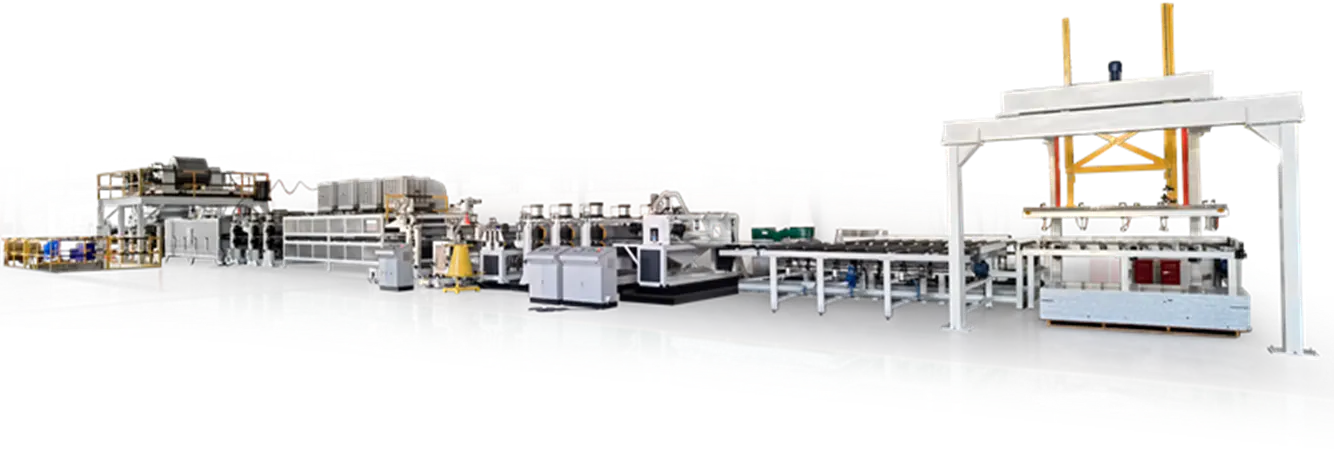
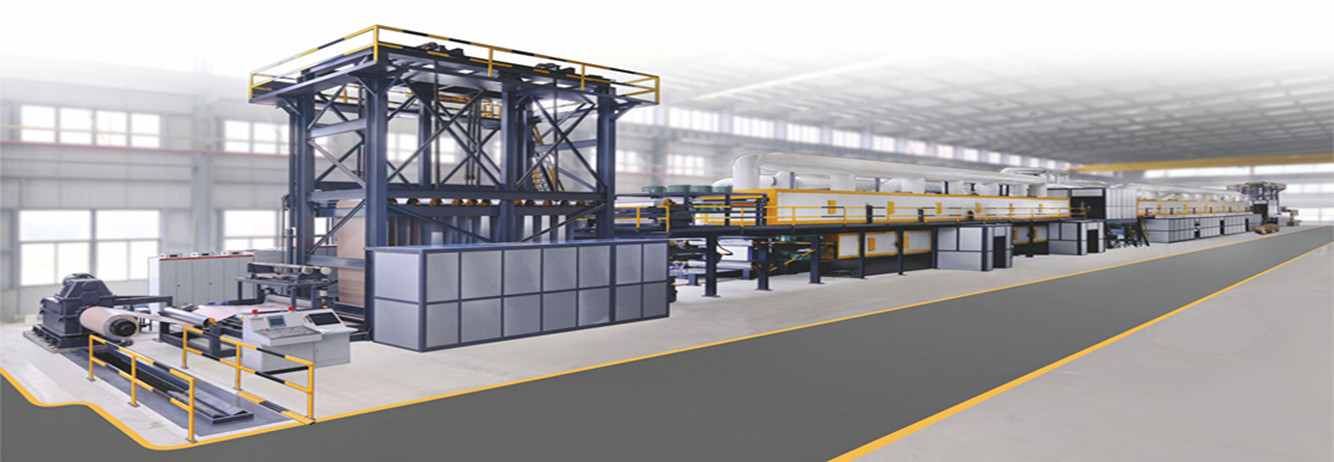
As global demand for aluminum composite panels continues to grow in construction, decoration, and advertising markets, manufacturers are paying more attention to production efficiency and finished panel quality. However, problems such as uneven bonding, surface defects, and inaccurate cutting can affect product consistency and increase material waste. For businesses planning to establish or upgrade a production facility, selecting suitable Aluminum Composite Panel Equipment is an important step toward stable manufacturing. Understanding equipment functions and processing requirements can help buyers make practical investment decisions.

Changing Requirements in ACP Manufacturing
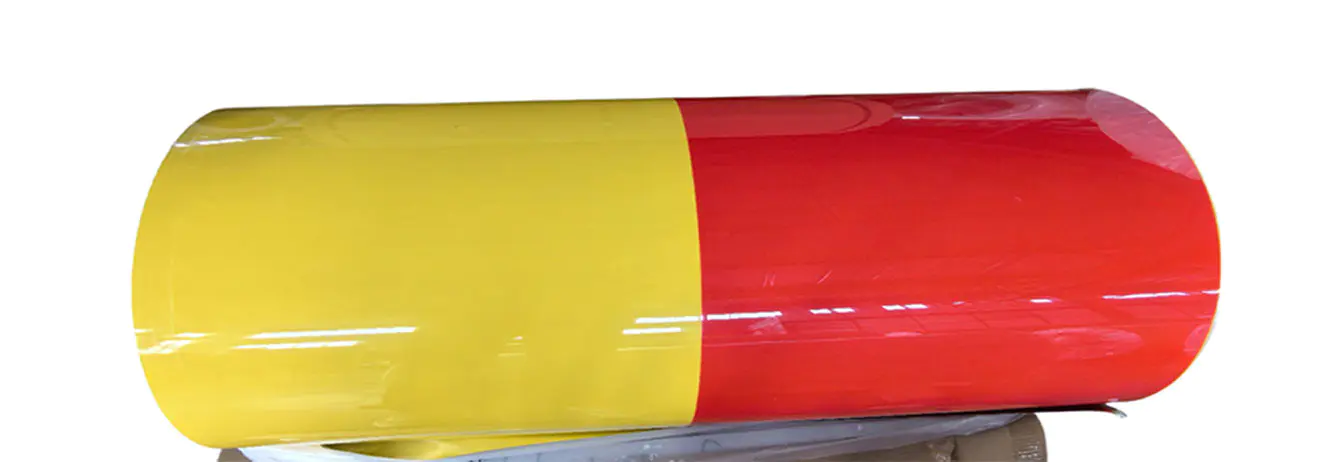
Aluminum composite panels are widely used in building façades, interior decoration, commercial signage, and industrial applications. Different markets require different panel thicknesses, core materials, surface finishes, and performance characteristics.
For example, standard PE core panels and fire-retardant ACP products involve different material processing requirements. Manufacturers should therefore evaluate their target product range before selecting an ACP production line. Equipment flexibility is also worth considering, especially for businesses planning to expand their product offerings.
Key Equipment Sections and Their Functions
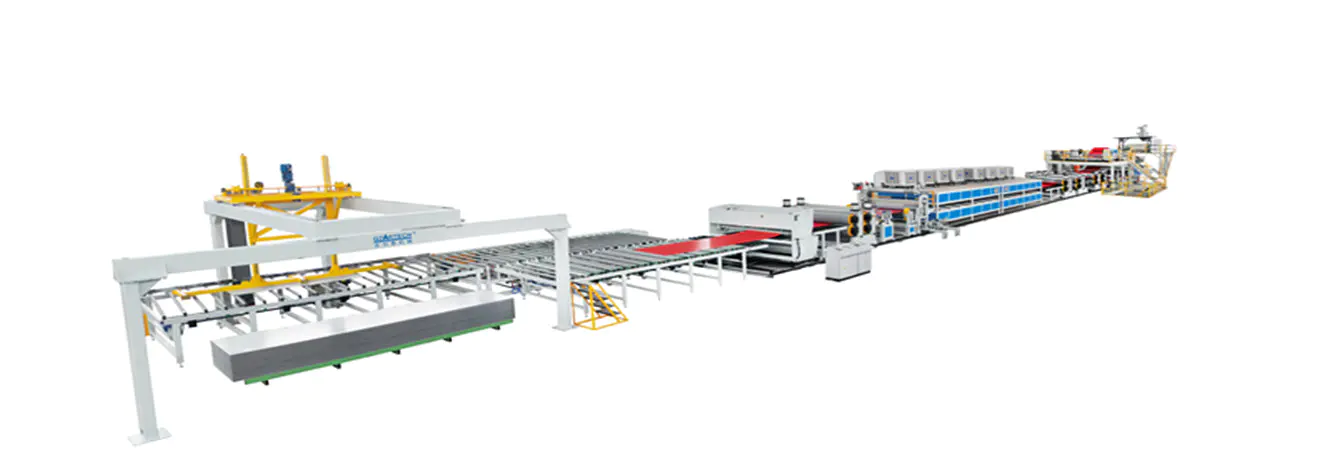
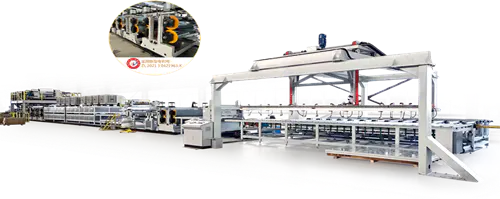
A complete aluminum composite panel production line combines several processes to transform raw materials into finished panels.
The main equipment sections include:
- Uncoiling and feeding: Ensures stable aluminum coil feeding and material alignment.
- Surface treatment: Prepares aluminum surfaces for the bonding process.
- Core processing: Handles core material preparation and supply.
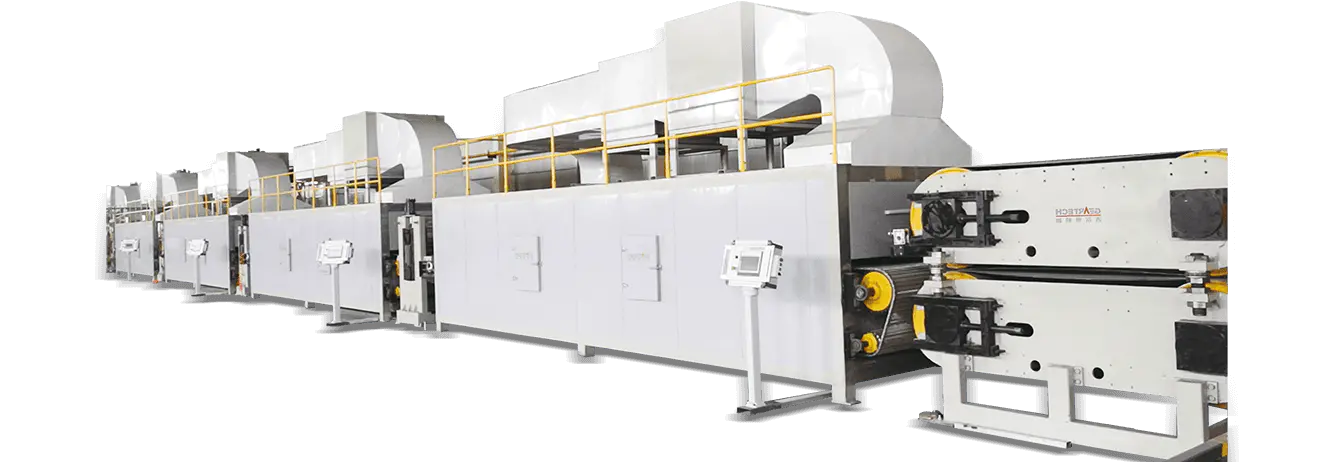
- Lamination: Controls temperature and pressure to support consistent bonding.
- Cooling and leveling: Helps maintain panel flatness.
- Cutting: Controls finished panel dimensions and edge quality.
As an equipment manufacturer, we emphasize coordination between these sections. Poor synchronization can cause production interruptions and inconsistent panel quality.
Preventing Bonding Problems During Production
Weak adhesion between aluminum sheets and the core is a common concern in ACP manufacturing. It may result in peeling, bubbling, or panel separation during further processing.
Several factors can contribute to bonding problems, including contaminated surfaces, unsuitable temperatures, uneven pressure, and unstable material feeding.
A properly configured ACP lamination machine helps operators maintain consistent processing conditions. Buyers should pay attention to temperature regulation, pressure distribution, feeding accuracy, and compatibility between raw materials.
Regular peel testing and surface inspections can also help identify bonding issues before defective panels enter the next production stage.
Meeting Fire-Retardant Panel Requirements
Fire safety has become an important consideration in international construction markets, particularly for exterior cladding applications. Manufacturers producing fire-retardant aluminum composite panels need to consider core composition and processing compatibility.
Compared with conventional PE cores, mineral-filled fire-retardant materials may require different extrusion and lamination conditions.
Before purchasing FR ACP production equipment, buyers should confirm:
- Supported core material formulations.
- Compatibility with the intended panel specifications.
- Available temperature and pressure adjustments.
- Technical support for production trials.
It is important to remember that equipment configuration alone does not guarantee fire compliance. Finished panels must undergo the relevant testing to verify their performance.
Reducing Material Waste and Equipment Downtime
Unstable feeding, inaccurate cutting, and inconsistent lamination can increase production waste. These issues may also create additional work for operators and interrupt delivery schedules.
To address these problems, manufacturers should prioritize equipment with accessible operating controls, stable transmission systems, and convenient maintenance points.
Routine inspections should cover rollers, heating components, cutting tools, and electrical systems. Timely maintenance helps prevent minor equipment problems from developing into production interruptions.
What to Consider Before Purchasing ACP Machinery
Choosing aluminum composite panel manufacturing equipment requires more than comparing prices and production speeds. Buyers should evaluate whether the proposed configuration matches their actual factory requirements.
Important considerations include:
- Product specifications: Confirm supported panel dimensions, aluminum thicknesses, and core materials.
- Production capacity: Match equipment configuration with expected output and working schedules.
- Operating controls: Check whether temperature, pressure, and feeding speed can be adjusted conveniently.
- Maintenance support: Understand spare parts availability and technical service arrangements.
- Production flexibility: Consider whether the equipment can accommodate different panel specifications as market demand changes.
Providing detailed product requirements during technical discussions helps manufacturers recommend more suitable equipment configurations.
Building a Stable ACP Production Process
Consistent panel quality depends on the coordination of raw materials, processing conditions, equipment performance, and operator experience. Manufacturers should evaluate the entire production process rather than focusing on a single machine or technical parameter.
For businesses entering new markets, reliable production also supports long-term cooperation with building material distributors, contractors, and project suppliers.
Selecting suitable Aluminum Composite Panel Equipment is therefore an important investment in manufacturing capability. By matching equipment configuration with actual production requirements, manufacturers can establish more stable operations, control material waste, and prepare their ACP production facilities for changing market demands.


 中文简体
 English
 Português
 русский
 Español
 عربى