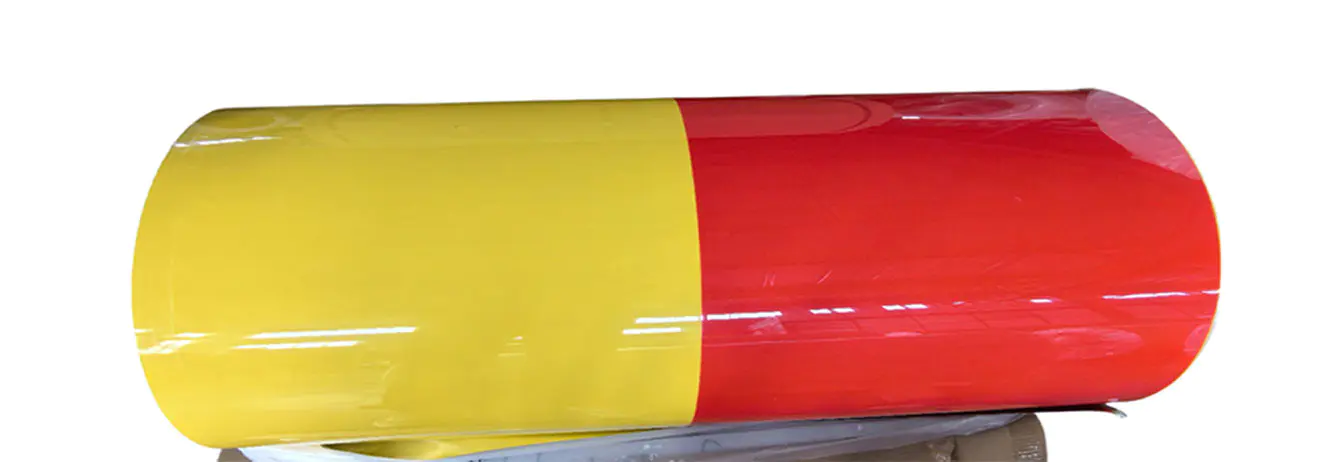
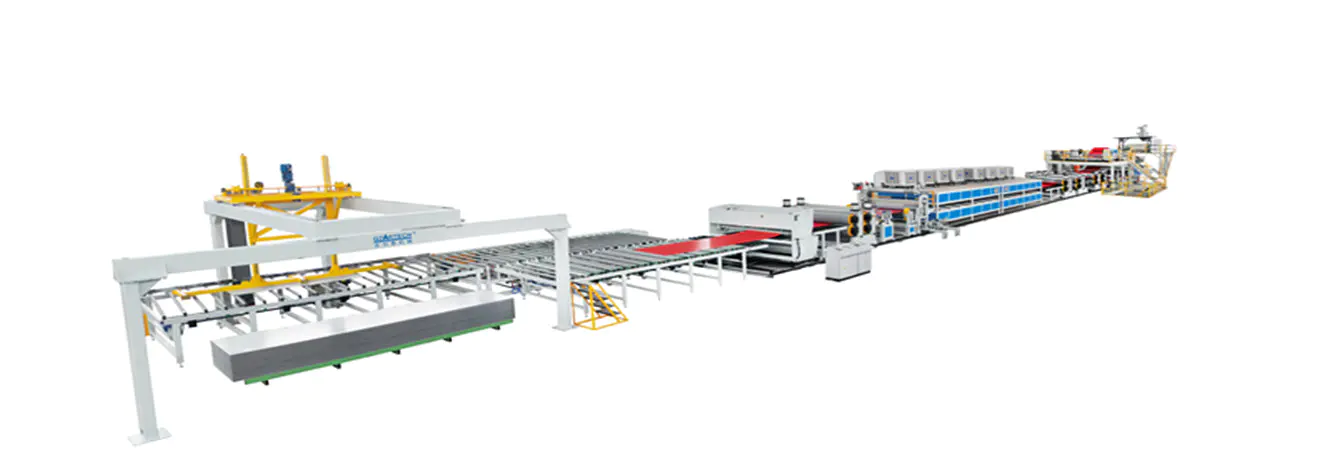
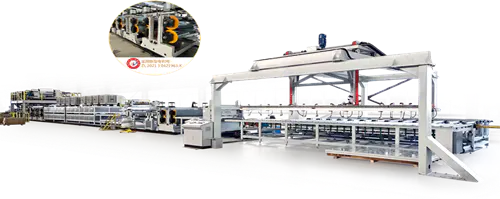
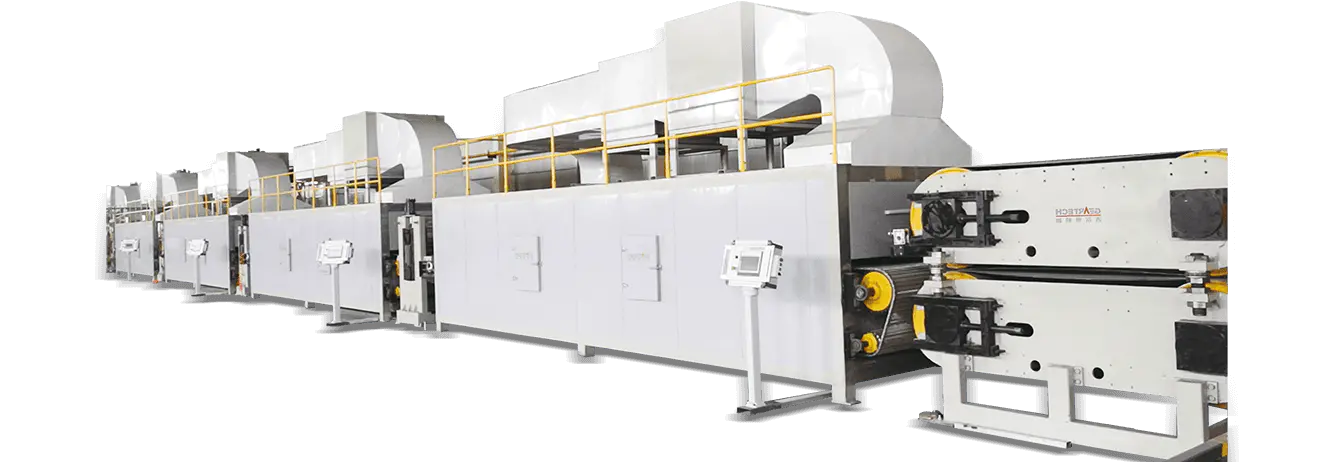
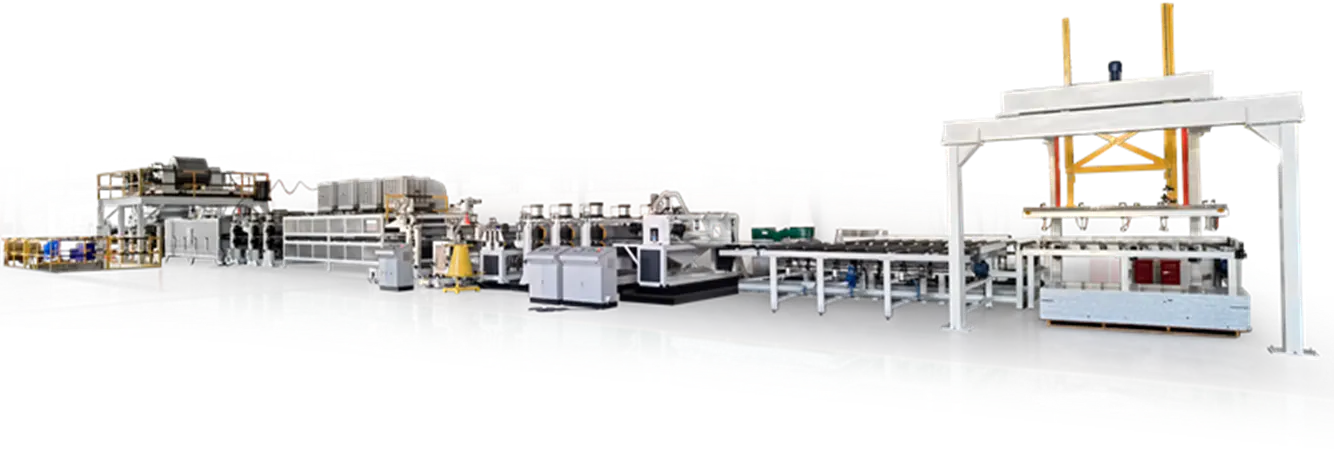
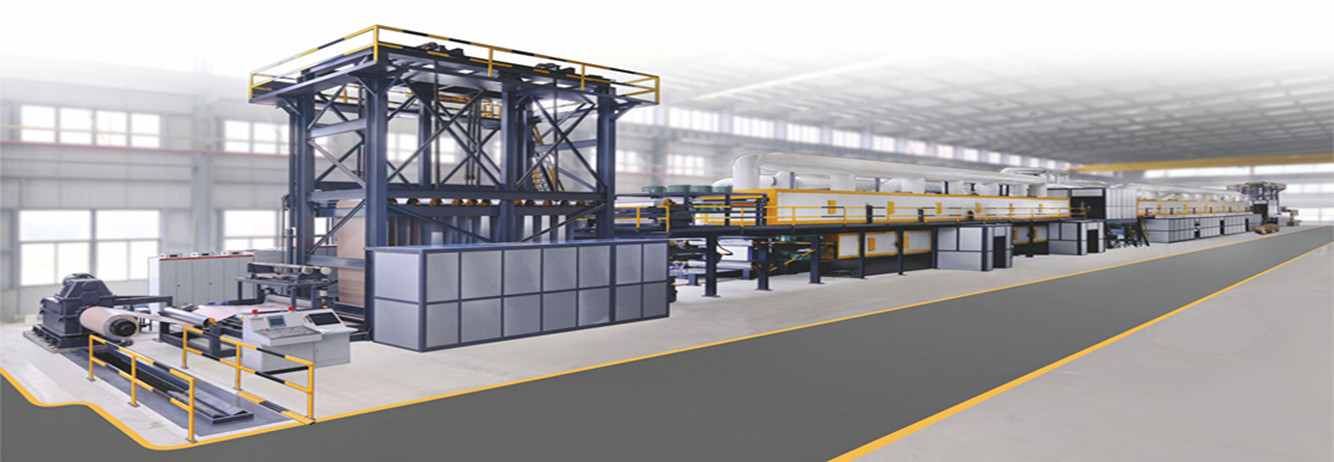
As aluminum composite panels are increasingly used in modern façades, commercial buildings, interior decoration, and advertising applications, manufacturers face growing expectations for consistent quality and reliable delivery. Manual adjustments and poorly coordinated processing stages can make production difficult to manage, particularly when handling different panel specifications. This has made automation an important consideration when upgrading manufacturing facilities. With properly configured Aluminum Composite Panel Equipment, manufacturers can improve process coordination, reduce repetitive manual operations, and maintain better control over daily production.

Why Automation Matters in ACP Manufacturing
Traditional ACP production involves multiple connected processes, including aluminum coil feeding, surface treatment, core preparation, lamination, cooling, and cutting. If one section operates inconsistently, the entire production process may be affected.
Automation helps coordinate these stages and reduces the need for frequent manual intervention. For manufacturers handling different orders, automated feeding and control systems can also make production adjustments more manageable.
However, automation should match actual factory requirements. Investing in complicated functions without considering production needs may increase operating and maintenance costs.
Improving Feeding and Material Alignment
Aluminum sheet alignment is an important factor in finished panel quality. Material deviation during feeding may cause uneven edges, inconsistent dimensions, and additional trimming work.
An automated feeding system helps maintain a more stable material supply throughout production. When selecting ACP machinery, buyers should examine:
- Feeding accuracy and material positioning.
- Roller stability and transmission performance.
- Compatibility with different aluminum coil specifications.
- Ease of adjustment during production changes.
These details influence both processing consistency and the workload required from operators.
Better Temperature and Pressure Control
The lamination process directly affects the bonding performance of aluminum composite panels. Temperature fluctuations or uneven pressure may result in bubbling, weak adhesion, and surface defects.
Modern aluminum composite panel production lines can integrate temperature monitoring and pressure adjustment systems to help operators maintain suitable processing conditions.
From our manufacturing experience, these functions should be considered together with raw material compatibility. Different adhesives and core materials may require different processing settings. Equipment flexibility is therefore important when manufacturers plan to produce multiple ACP product types.
Reducing Manual Errors During Cutting
Cutting accuracy affects panel dimensions, edge appearance, and subsequent fabrication. Frequent manual measurements and adjustments may create inconsistencies, especially when production involves different panel sizes.
Automated cutting systems help operators manage cutting positions and repeat production settings. Before purchasing an ACP cutting machine, buyers should check its supported panel dimensions, cutting accuracy, adjustment methods, and compatibility with the complete production line.
Regular inspection of cutting blades and positioning components is also necessary to maintain consistent results.
Choosing Automation Based on Factory Needs
Not every manufacturer requires the same automation configuration. A facility producing standard decorative panels may have different priorities from one supplying fire-retardant panels or customized façade materials.
Buyers should evaluate several factors before making a decision:
- Production scale: Match automation functions with expected manufacturing volume.
- Product range: Confirm compatibility with different core materials and panel specifications.
- Operating requirements: Consider operator training and control system accessibility.
- Maintenance: Check component accessibility and replacement requirements.
- Future expansion: Allow room for additional production functions when necessary.
Discussing these requirements with an equipment manufacturer can help avoid unnecessary investment and configuration problems.
Maintaining Automated Equipment for Long-Term Operation
Automation does not eliminate the need for equipment maintenance. Sensors, motors, rollers, heating components, and electrical controls all require regular inspection.
Manufacturers should establish maintenance schedules based on operating conditions and equipment instructions. Operators should also receive training on identifying abnormal machine behavior, adjusting production settings, and handling routine maintenance.
Keeping essential components in good condition helps reduce unexpected interruptions and supports stable production.
Building a More Efficient ACP Production Line
Automation brings value when individual machines work together as a coordinated production system. Stable feeding, controlled lamination, accurate cutting, and convenient operation all contribute to a more manageable manufacturing process.
As a manufacturer, we understand that different factories have different production goals. Selecting suitable Aluminum Composite Panel Equipment should start with the customer's panel specifications, material requirements, and factory conditions. A well-planned equipment configuration can help manufacturers improve production consistency, manage operating costs, and respond more effectively to changing ACP market demands.


 中文简体
 English
 Português
 русский
 Español
 عربى