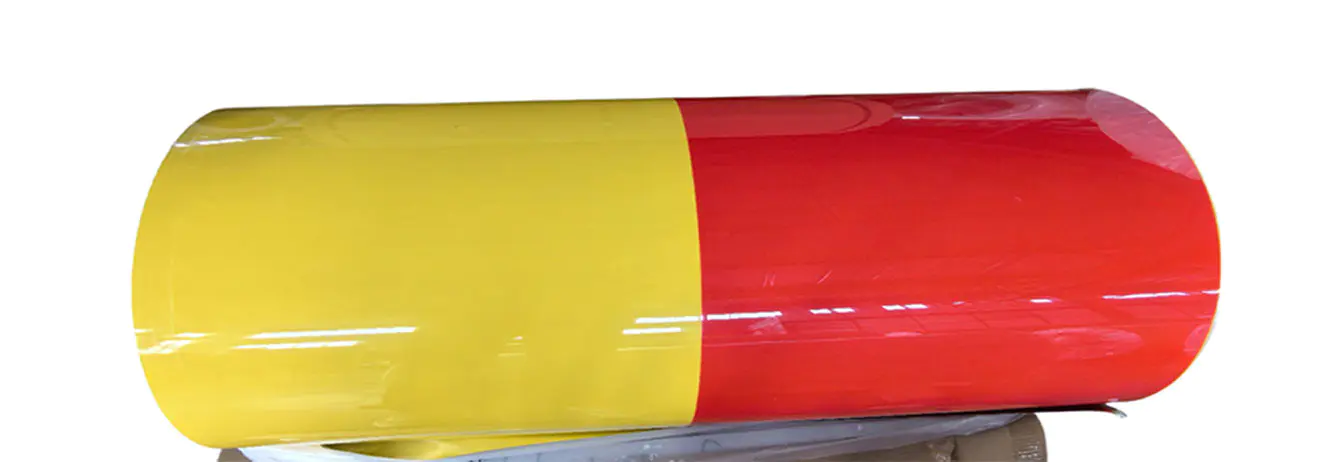
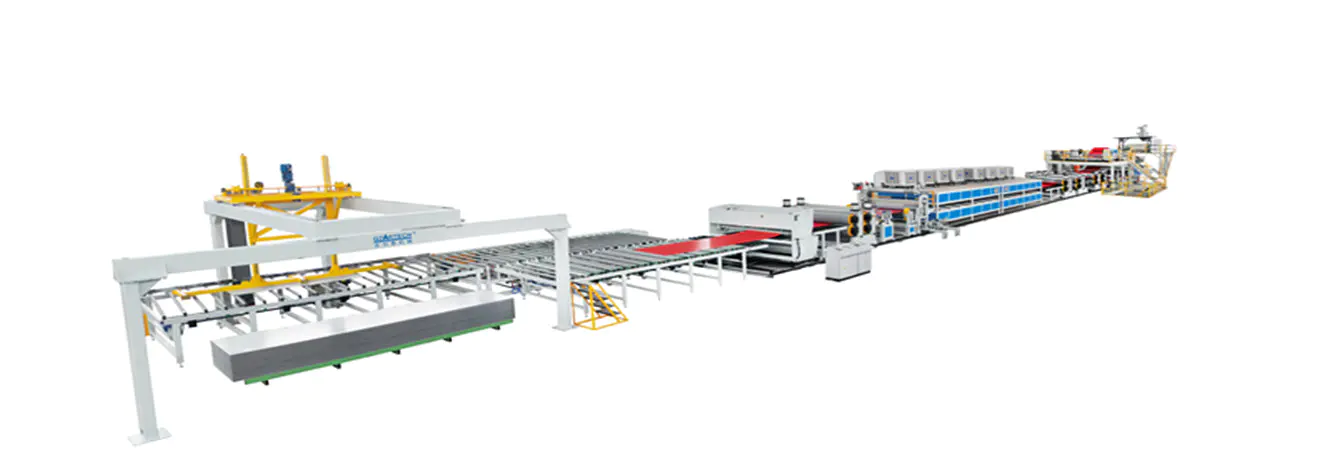
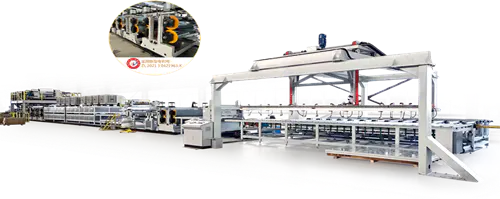
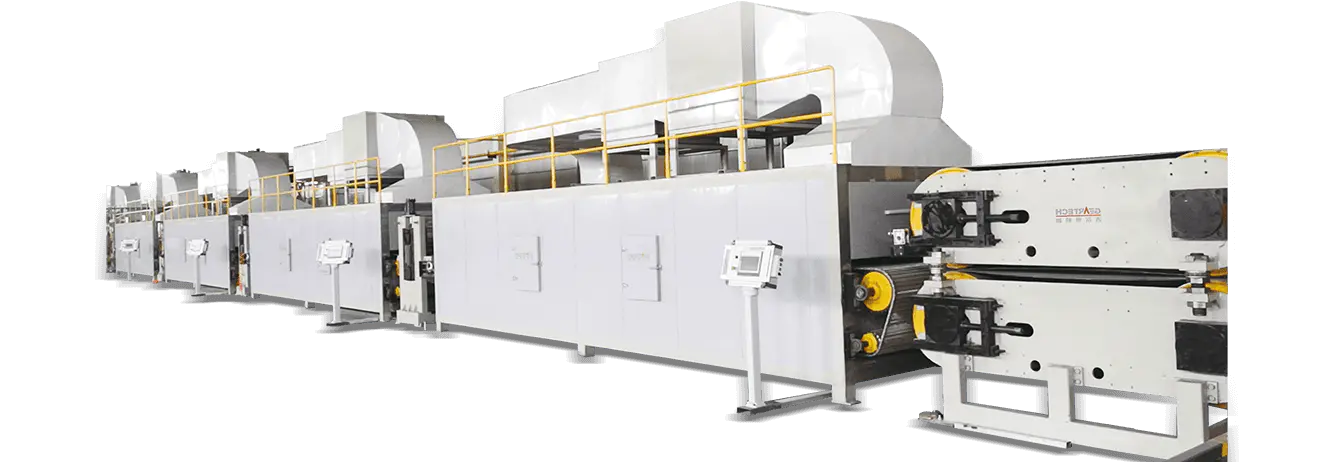
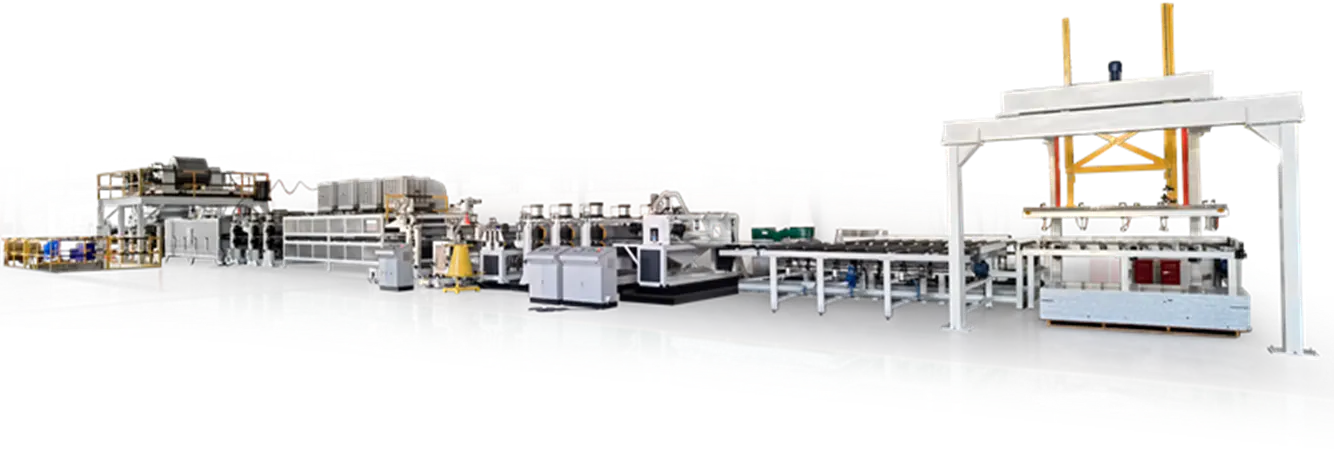
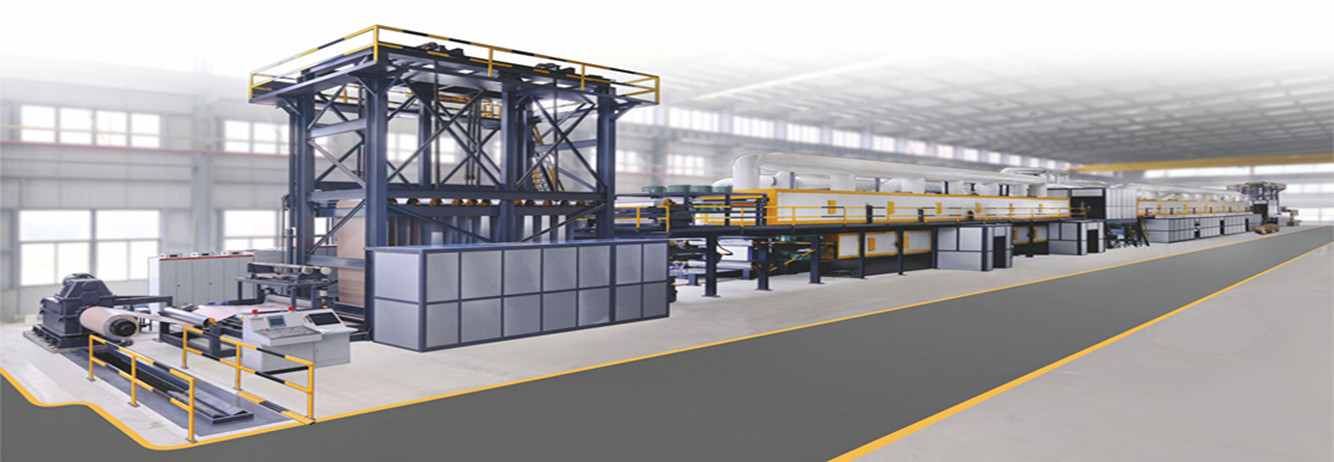
As demand for customized building materials continues to grow, aluminum composite panel manufacturers face increasing pressure to maintain product quality while managing production costs. Different panel thicknesses, core materials, and surface finishes also require flexible manufacturing processes. Choosing suitable Aluminum Composite Panel Equipment helps factories address these challenges through stable lamination, accurate temperature control, and coordinated production operations.
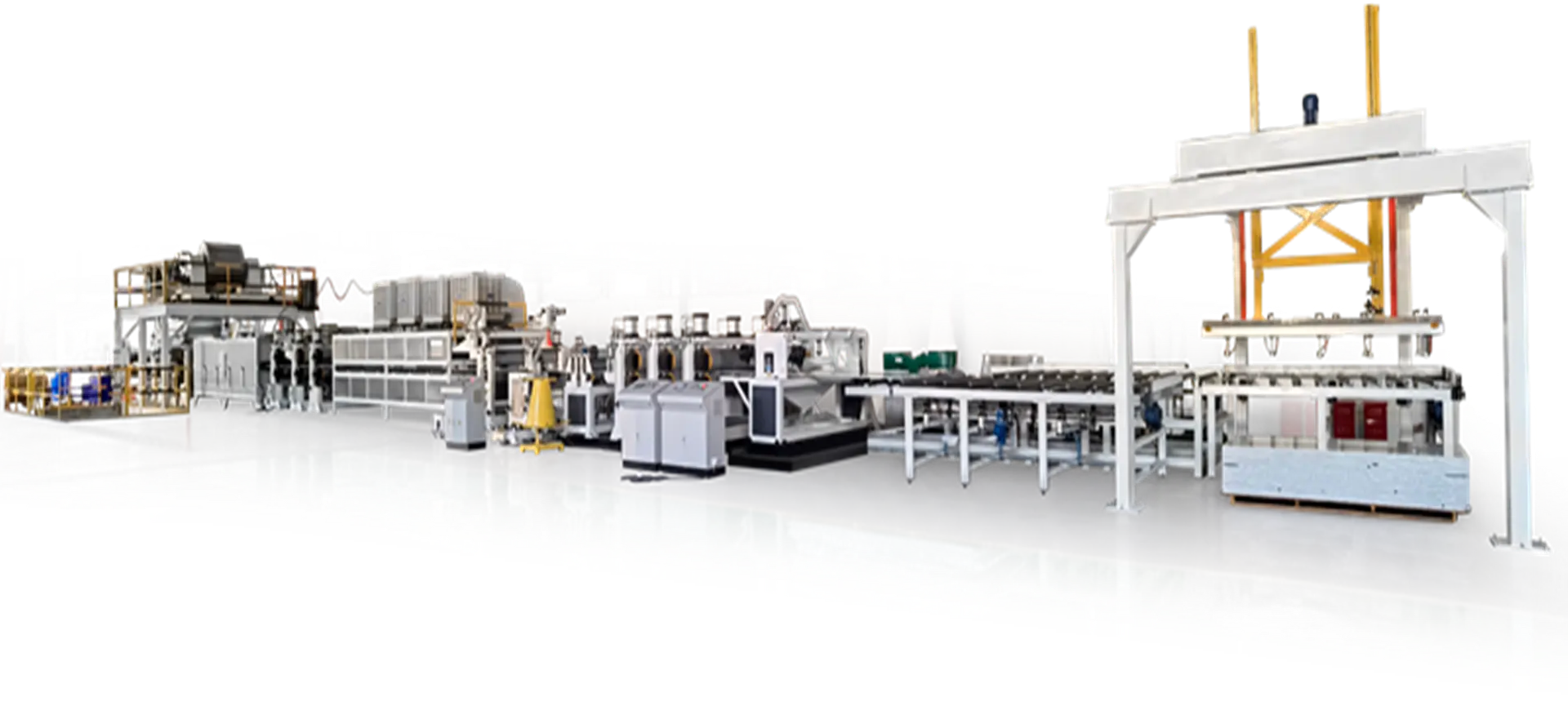
Fire-Resistant Core Materials Require Suitable Equipment
Fire safety remains an important consideration in architectural cladding projects. As demand for fire-resistant aluminum composite panels grows, manufacturers need equipment that can accommodate different core materials and processing requirements.
Before purchasing an ACP production line, buyers should check whether the heating system, roller pressure, and lamination process are suitable for their intended core materials. Production trials are also useful for confirming bonding quality and finished panel performance.
Improve Lamination Quality Through Process Control
Poor bonding, air bubbles, wrinkles, and uneven surfaces can affect finished panel quality. These problems may result from unstable material feeding, unsuitable temperatures, or inconsistent roller pressure.
A properly configured aluminum composite panel lamination machine helps manufacturers manage these factors. We recommend paying attention to:
- Stable aluminum coil and core material feeding.
- Adjustable heating temperature.
- Consistent roller pressure.
- Effective cooling after lamination.
Coordinating these processes helps reduce production defects and unnecessary material waste.
Flexible Production for Different Panel Specifications
Architectural projects increasingly require different colors, textures, and panel dimensions. Manufacturers may need to switch between PVDF-coated panels, brushed finishes, wood-grain designs, and other decorative surfaces.
A flexible ACP manufacturing machine should match the factory's product range. Buyers should confirm:
- Supported aluminum coil width and thickness.
- Compatible core materials.
- Finished panel thickness range.
- Production adjustment and changeover requirements.
Discussing these details before purchasing helps avoid equipment compatibility issues and unnecessary modifications.
Automation Helps Manage Production Costs
Labor costs, material waste, and energy consumption all influence factory operating expenses. Automated feeding, synchronized roller operation, and centralized control systems can help reduce manual adjustments and maintain consistent production conditions.
However, automation should match actual factory requirements. Buyers should evaluate control system operation, maintenance procedures, operator training, and spare parts availability rather than focusing only on advertised production speed.
What to Check Before Purchasing ACP Equipment
Selecting an aluminum composite panel production line involves more than comparing equipment prices. Manufacturers should consider the entire production workflow, from raw material feeding to finished panel cutting.
Key questions include:
- Does the line support the required panel specifications?
- Can it process the intended fire-retardant core materials?
- Is the heating and cooling system suitable for continuous operation?
- Does the supplier provide installation and technical support?
Clear communication with the equipment supplier helps reduce commissioning difficulties and ensures that the machinery matches the factory's production objectives.
Supporting Long-Term ACP Manufacturing Development
As the aluminum composite panel industry places greater emphasis on fire performance, customized finishes, and manufacturing consistency, equipment selection becomes increasingly important. At our factory, we focus on practical production requirements, equipment compatibility, and process coordination when providing machinery solutions. Whether customers are establishing a new facility or upgrading existing production capacity, suitable Aluminum Composite Panel Equipment helps build a more adaptable manufacturing process and supports long-term business development.


 中文简体
 English
 Português
 русский
 Español
 عربى