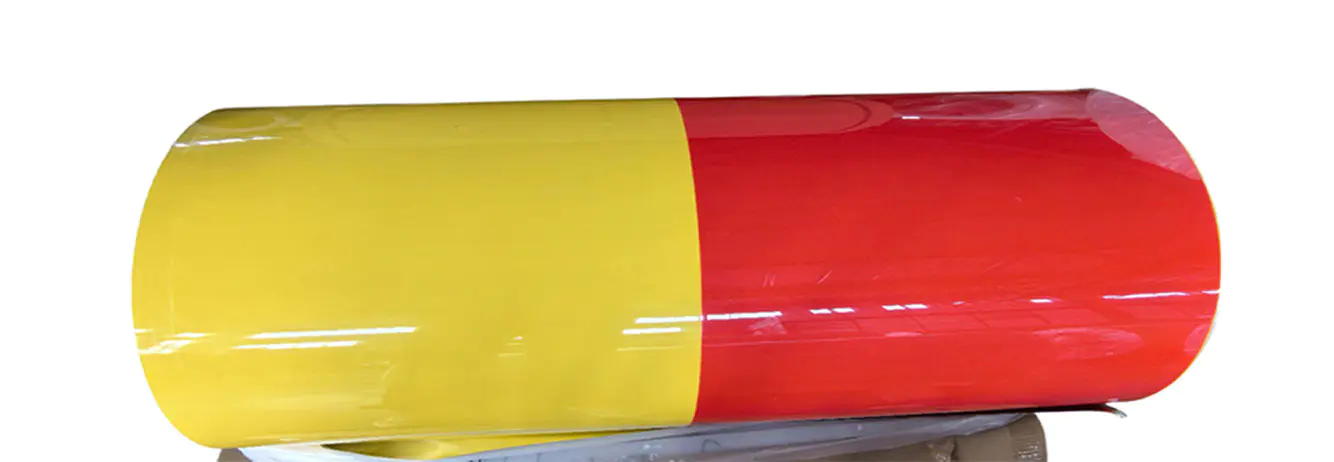
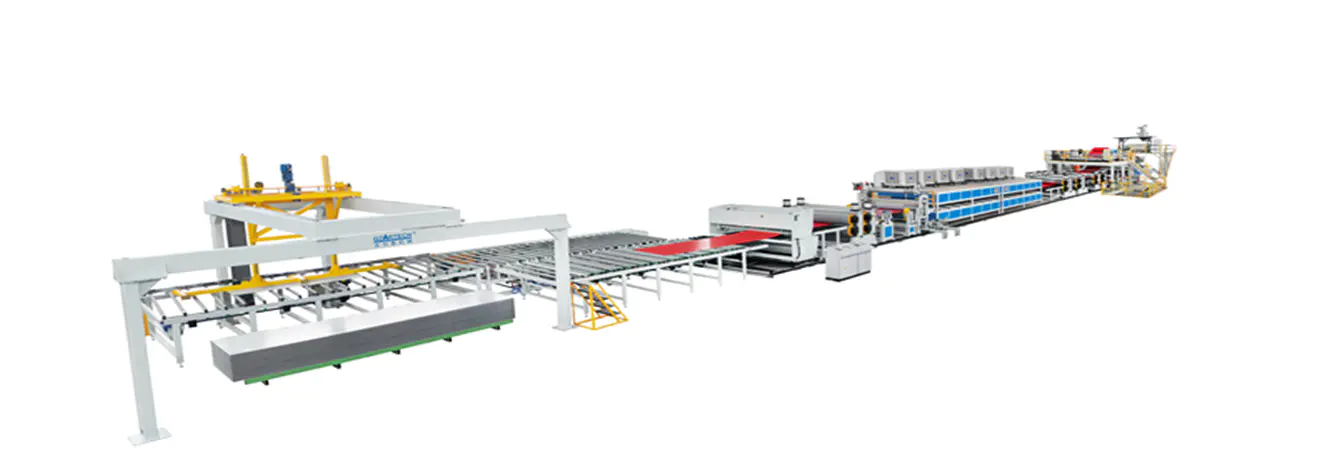
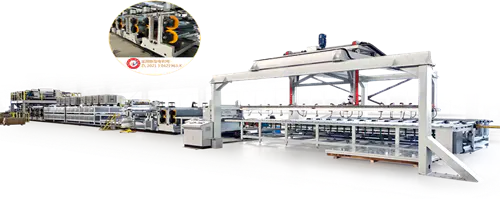
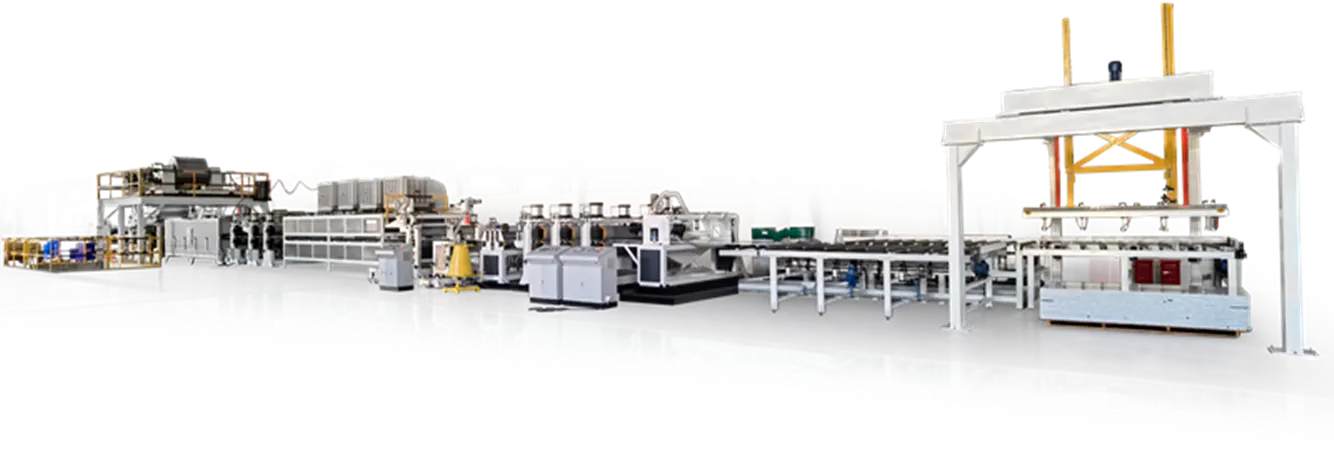
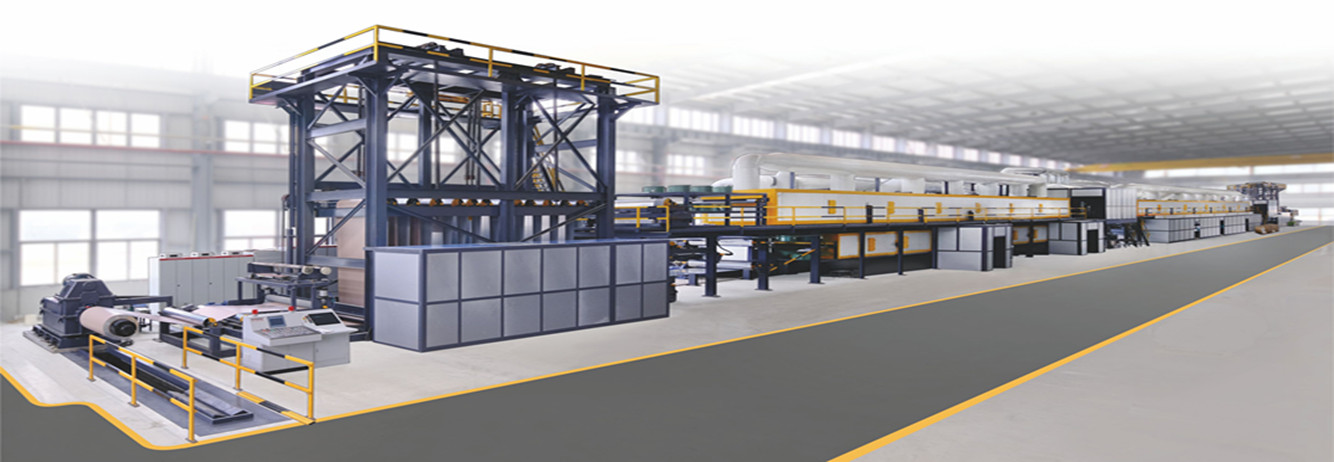
Aluminum Coil Coating Line and Color Coated Aluminum Coil are increasingly applied in modern metal processing workflows where stable surface treatment and controlled energy use are required. The coating process has gradually shifted toward more continuous and controlled production logic, allowing manufacturers to manage material consistency while maintaining a structured energy consumption pattern across different production stages.
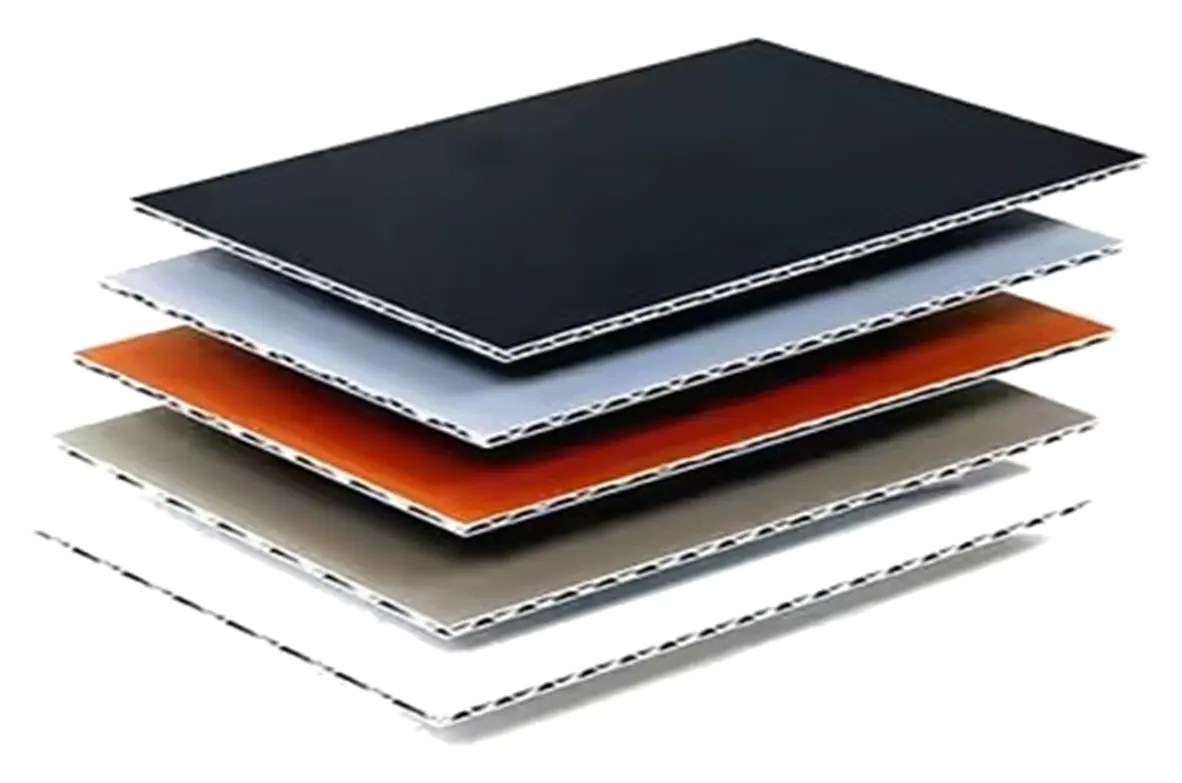
Changing expectations in aluminum surface processing
Demand for Color Coated Aluminum Coil has expanded across construction panels, transportation components, and packaging materials, which places more attention on coating uniformity and batch stability rather than only output volume. At the same time, traditional coating setups often involve segmented heating, uneven curing control, and repeated handling between processes, which can introduce variability in coating thickness and surface quality.
In many production environments, the Aluminum Coil Coating Line has to handle different alloy types and coating requirements within the same facility. This creates operational pressure on temperature regulation systems, coating speed coordination, and drying balance. When these elements are not well aligned, it may result in inconsistent gloss levels, adhesion differences, or additional rework steps that extend the production cycle.
Another factor is energy usage distribution. Older line configurations often run with fixed heating intensity or non-adjustable curing zones, making it difficult to match energy input with actual coating demand. As production requirements become more diversified, the need for more adaptable control logic has become more apparent.
Structural adjustments in coating line configuration
Recent improvements in Aluminum Coil Coating Line setups focus on more segmented process control. Instead of treating the coating process as a single continuous heating stage, the system is divided into multiple adjustable zones that can respond to coil thickness, coating type, and line speed variations.
This type of configuration typically includes several coordinated elements:
- Pre-treatment section for surface cleaning and chemical preparation
- Controlled coating application unit with adjustable flow management
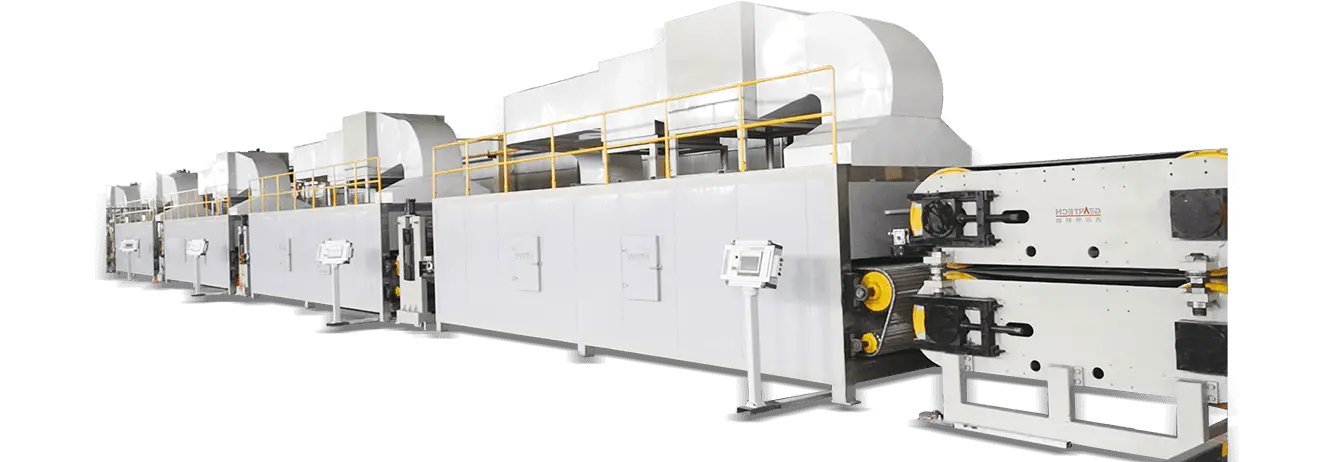
- Multi-zone curing system with independent temperature regulation
- Cooling and finishing section designed for surface stabilization
Within this structure, Color Coated Aluminum Coil production benefits from more stable curing conditions, especially when switching between different coating materials such as polyester, PVDF, or hybrid resin systems. The adjustment between zones reduces abrupt thermal changes, helping maintain more consistent surface behavior across long production runs.
Another important change is the integration of monitoring sensors across different stages. These sensors track coil movement, temperature distribution, and coating thickness in real time. Instead of manual adjustments, operators can rely on system feedback to fine-tune process parameters during operation, reducing unnecessary interruptions.
Application areas across multiple industries
Color Coated Aluminum Coil produced through a structured Aluminum Coil Coating Line is widely used in industries where surface appearance and corrosion resistance are important but must be balanced with material flexibility.
In building systems, coated coils are often formed into roofing panels, curtain walls, and ceiling structures. The coating layer helps maintain color stability under long-term outdoor exposure while allowing the material to be shaped into different architectural forms. In transportation, the material is used for vehicle interior panels and exterior trim components where weight control and surface durability are both relevant considerations.
In packaging and appliance manufacturing, coated aluminum sheets are processed into shells, covers, and structural housings. These applications typically require consistent surface smoothness to ensure compatibility with downstream forming or printing processes. Because different industries may require different coating thickness or finish types, production flexibility becomes an important factor in line design.
Observed production pattern from a mid-scale facility
A mid-scale aluminum processing plant recently adjusted its Aluminum Coil Coating Line by introducing zone-based heating control and upgrading its coating application system. Before the adjustment, production batches often required separate calibration cycles when switching between matte and glossy Color Coated Aluminum Coil orders.
After the changes, the transition between coating types became more structured, with fewer interruptions during material changeover. Internal monitoring data indicated that temperature fluctuations between zones became more stable, especially during long continuous runs. Operators also reported that the need for manual correction during curing stages decreased, as the system provided more consistent feedback on coil movement and surface condition.
Energy consumption patterns were also redistributed more evenly across production shifts. Instead of short periods of high heating load followed by idle cooling, the system maintained a more balanced thermal cycle, aligning energy use more closely with actual production activity.
FAQ
- What materials are typically processed in an Aluminum Coil Coating Line?
The line is generally used for aluminum alloys that require surface treatment before forming, including sheets used in construction, transportation, and packaging applications.
- Why is Color Coated Aluminum Coil widely used in construction?
It offers stable surface coloration and can be shaped into different structural components while maintaining coating integrity under outdoor exposure.
- Can coating thickness be adjusted during production?
Yes, coating thickness can be controlled through application system settings and line speed coordination, depending on production requirements.
- What affects the consistency of coated aluminum surfaces?
Key factors include temperature stability in curing zones, coating material flow control, and surface pre-treatment quality.
- How does energy usage vary in coating line operations?
Energy use depends on heating zone configuration, production speed, and coating type. More segmented control systems help distribute energy use more evenly.


 中文简体
中文简体 English
 Português
 русский
 Español
 عربى
عربى