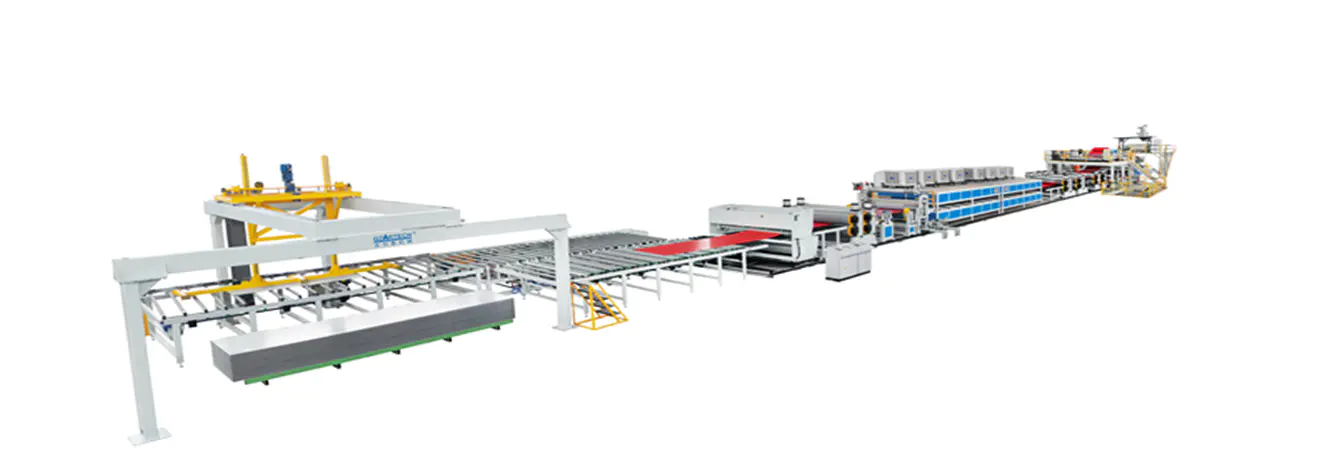
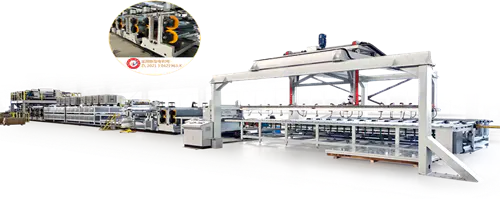
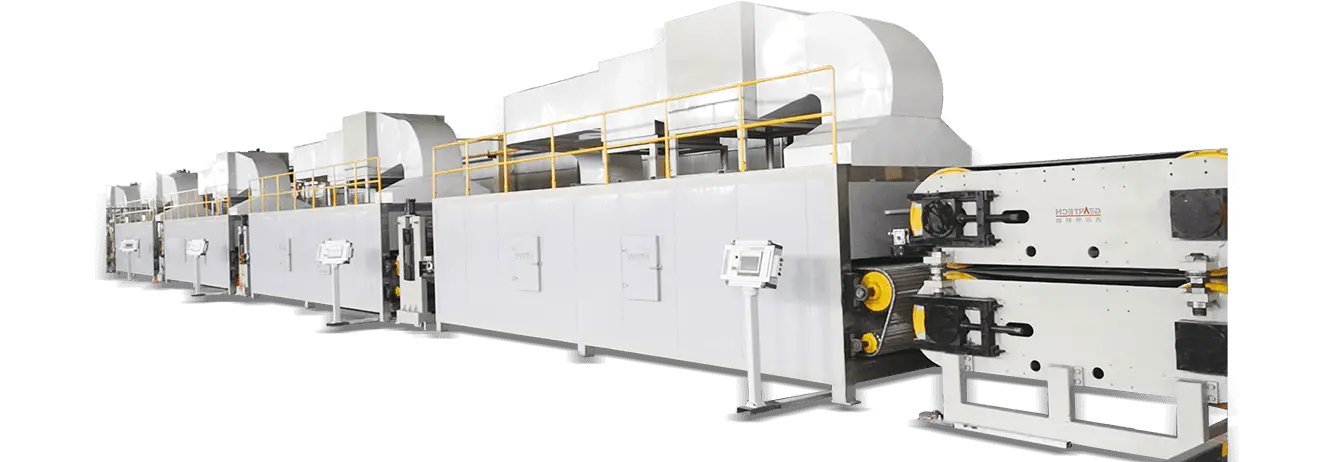
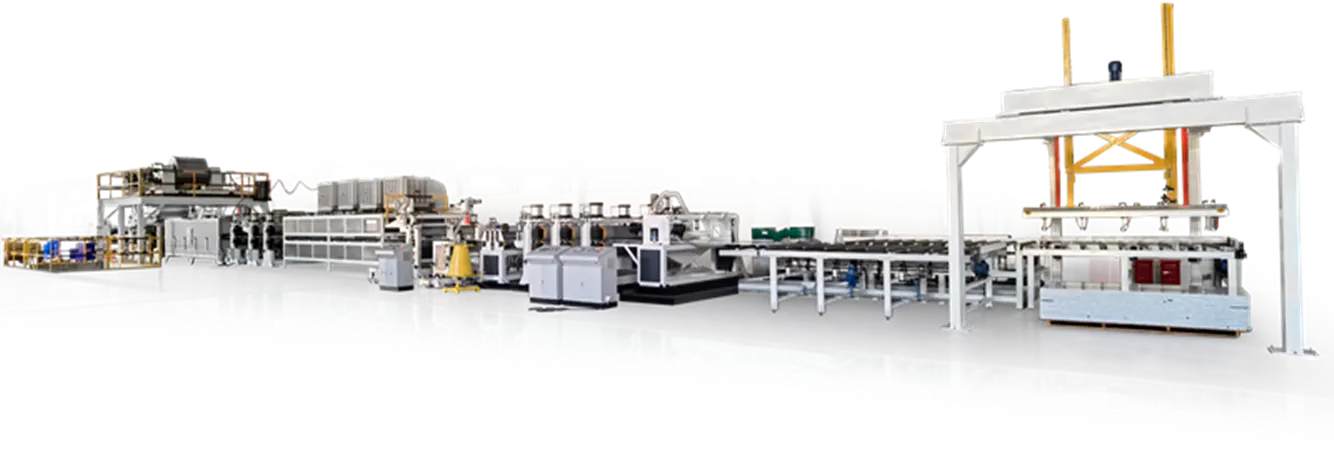
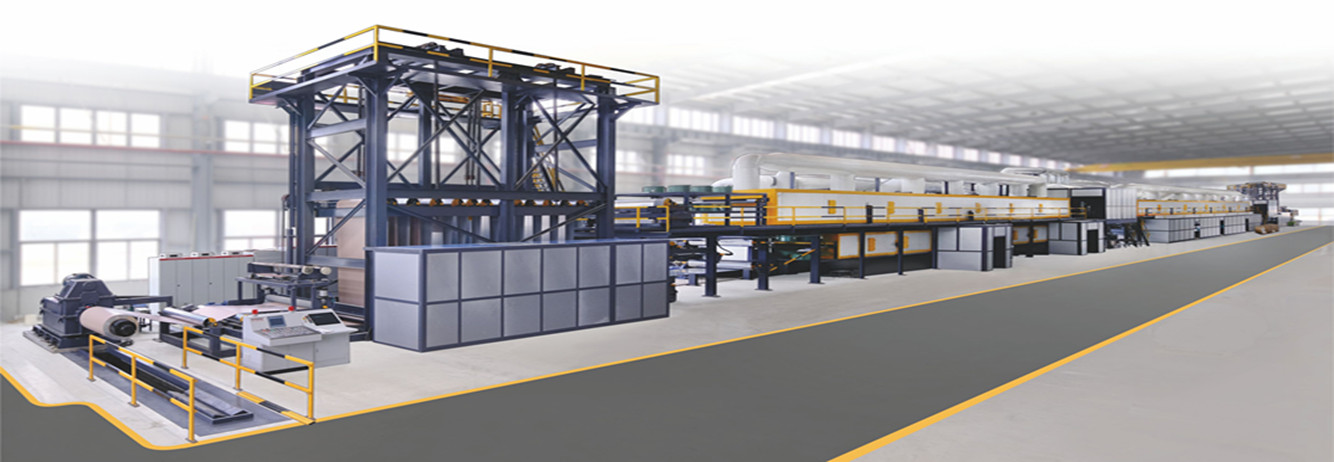
The push for longer driving range and improved safety in electric vehicles has changed how engineers think about structural components. Weight has become one of the central variables in vehicle design, since every kilogram saved translates into better efficiency and extended range. Honeycomb Panel Production Lines have entered this conversation as a practical answer to a problem that traditional materials struggle to solve: how to build something that is both light and mechanically reliable.
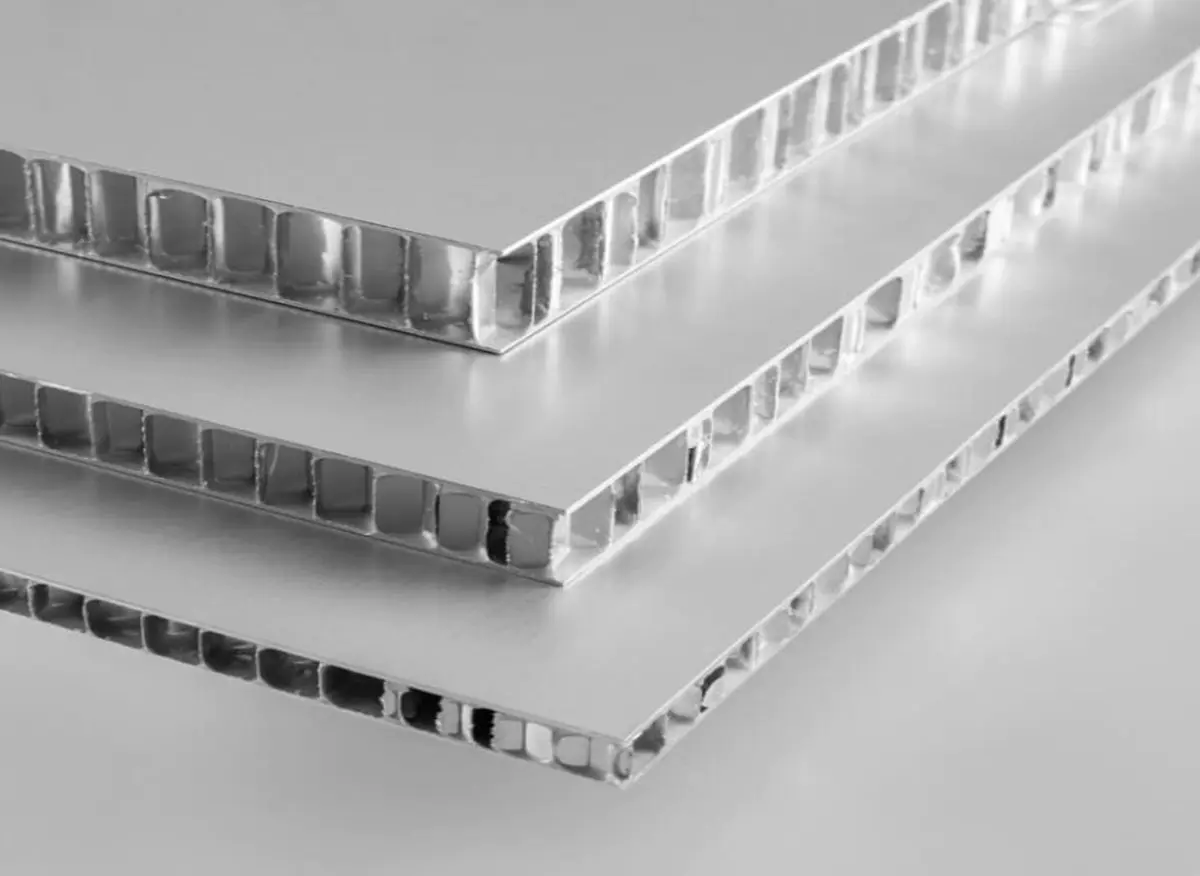
Battery enclosures sit at the heart of this challenge. They need to protect sensitive components from impact, vibration, and temperature swings, while also keeping the overall vehicle weight in check. Engineers have increasingly turned to polypropylene and polyethylene honeycomb cores as a way to meet these competing demands without compromising on either front.
Why Honeycomb Structures Work
The geometry of a honeycomb core is what gives it its particular appeal. Hexagonal cells distribute mechanical load evenly across the structure, allowing the material to absorb stress without requiring the mass of a solid block. This cellular design is not a new concept, but its application in polypropylene-based sandwich panels has matured considerably as manufacturing techniques have improved.
Compared with equivalent-weight steel components, honeycomb-core panels can offer notably greater structural performance while occupying a fraction of the mass. This ratio of strength to weight is what makes the material attractive for battery enclosures, where every gram matters but structural integrity cannot be sacrificed.
Beyond the mechanical benefits, polypropylene brings chemical resistance and recyclability to the table. These characteristics matter in automotive manufacturing, where long-term durability and environmental considerations increasingly shape material selection. A honeycomb core built from PP does not corrode the way metal components can, and it holds up under exposure to the fluids and temperature variation typical of a battery compartment.
From Raw Material to Finished Panel
Producing a honeycomb core panel involves several distinct stages, and the quality of the final product depends heavily on how well each stage is executed. The process typically begins with the extrusion of polypropylene through a screw-driven system, where precise control over melt consistency determines whether the resulting cells will have uniform mechanical properties throughout the panel.
After extrusion, the material is formed into its honeycomb structure and bonded to face sheets, creating the sandwich construction that gives these panels their combined strength and light mass. Any inconsistency introduced during this stage can compromise the finished panel's performance, which is why manufacturers place significant emphasis on maintaining tight tolerances throughout production.
Honeycomb Panel Production Lines designed for this purpose need to balance throughput with precision. A line that moves quickly but produces inconsistent cell structures will not serve the needs of battery enclosure manufacturing, where reliability under stress is non-negotiable. This has pushed equipment designers to refine extrusion and forming systems that can maintain consistency across long production runs.
Applications Beyond the Vehicle Battery
While battery enclosures represent a significant driver of demand, honeycomb core materials have found use in a broader set of applications. Refrigerated transport is one example, where the combination of light weight and structural rigidity helps improve fuel efficiency without sacrificing the durability needed for repeated loading and temperature cycling.
Industrial structural panels represent another area of growth. Facilities that need partitioning, flooring, or wall systems benefit from materials that reduce overall structural load while still meeting safety requirements. The same properties that make honeycomb cores useful in vehicles apply here as well, just in a different context.
This overlap between automotive and industrial use cases has encouraged some equipment manufacturers to design production systems flexible enough to serve multiple markets. A line configured for battery-grade panels can, with some adjustment, produce panels suited to transport or structural applications, which helps justify the capital investment required to set up production.
What This Means for Manufacturers
For manufacturers weighing whether to invest in honeycomb core production, the calculation increasingly comes down to market direction. As electric vehicle adoption continues and manufacturers look for ways to offset the weight of battery packs, demand for lightweight structural materials is likely to persist. Honeycomb cores offer one route to meeting that demand without requiring a complete overhaul of existing vehicle architecture.
There are still considerations that manufacturers need to weigh carefully. Production consistency requires investment in precise equipment and process control, and material costs can fluctuate depending on polypropylene availability and pricing. Companies entering this space need to understand not just the mechanical advantages of honeycomb structures, but also the practical realities of running a production line capable of meeting automotive-grade tolerances.
What seems clear is that the combination of light weight, mechanical resilience, and chemical stability has given honeycomb core materials a durable role in vehicle design, one that extends beyond current battery enclosure applications into a wider range of transport and structural uses. As the underlying production technology continues to develop, the range of practical applications is likely to grow alongside it.


 中文简体
中文简体 English
 Português
 русский
 Español
 عربى
عربى