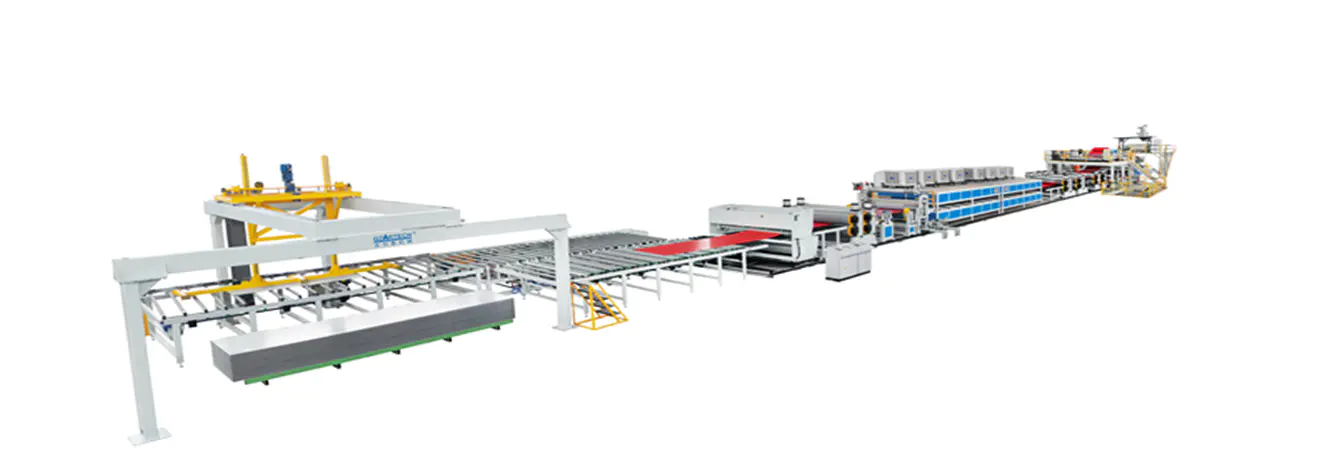
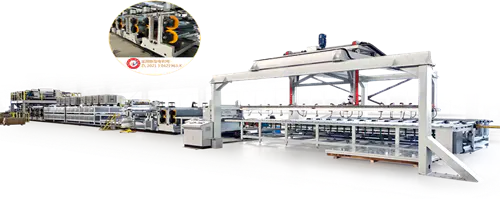
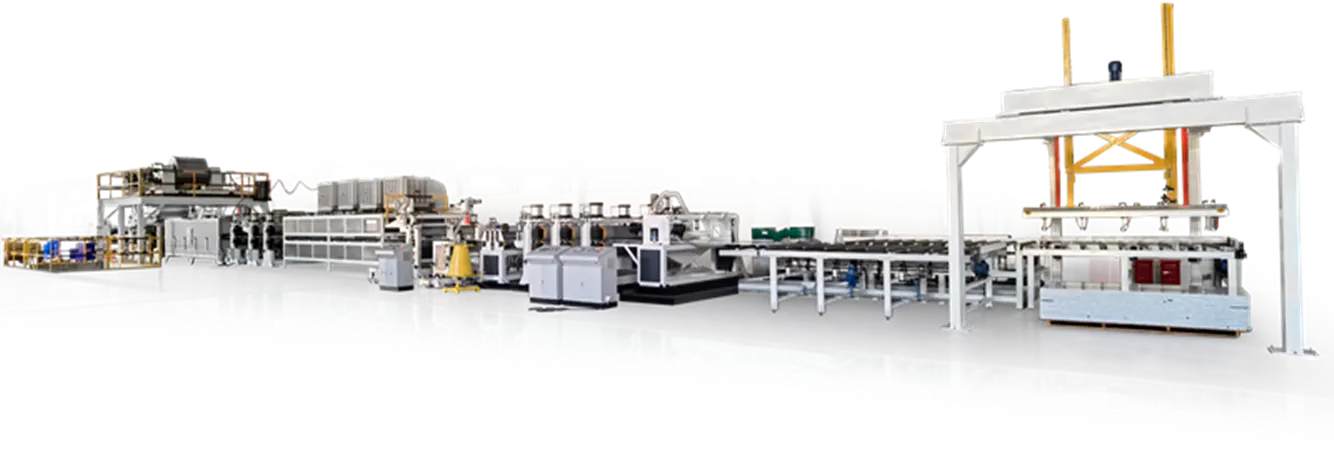
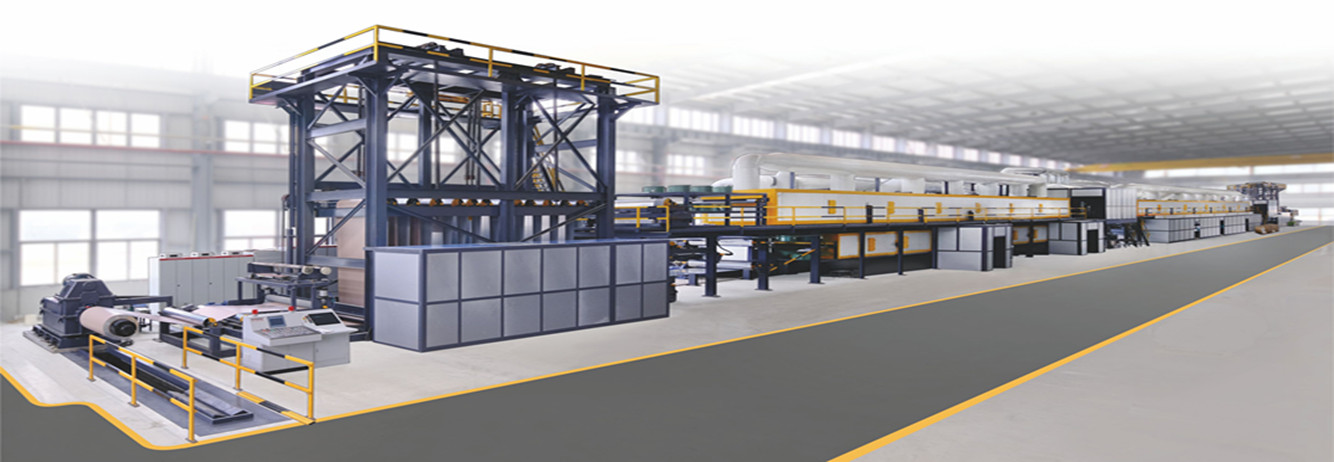
Reliable equipment plays an important role in maintaining product quality and production continuity. An Aluminum Coil Coating Line consists of several connected systems that prepare, coat, cure, and rewind aluminum coils for construction, transportation, and industrial applications. Many of these coated coils are later processed by an Aluminum Composite Panel Production Line, making equipment compatibility between the two production systems an important consideration during manufacturing.
A well-configured production line helps materials move smoothly through each stage while supporting coating consistency and daily production efficiency. Understanding the function of each equipment section allows manufacturers to make informed decisions when planning new production lines or upgrading existing facilities.
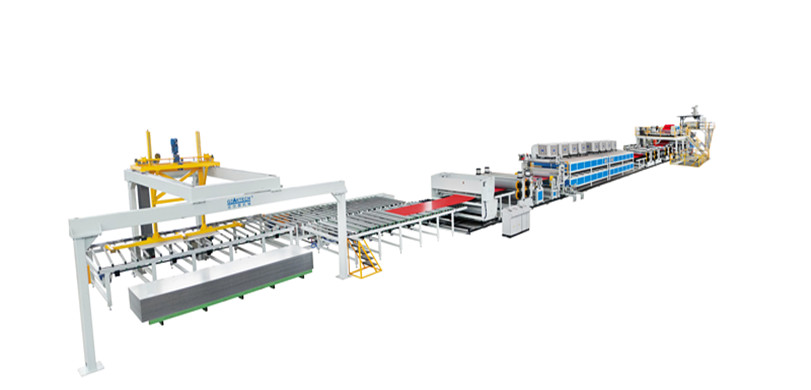
Material Feeding and Surface Preparation
The production process begins with the material feeding system. Aluminum coils are placed on the uncoiler and guided into the production line with controlled tension. Stable feeding helps maintain smooth operation and prepares the material for the following manufacturing stages.
After feeding, the aluminum surface passes through the cleaning section. Removing oil, dust, and other contaminants improves coating adhesion and creates a suitable surface for later processing. Routine inspection of the cleaning equipment also helps maintain stable production and reduces unnecessary process interruptions.
Coating and Curing Equipment
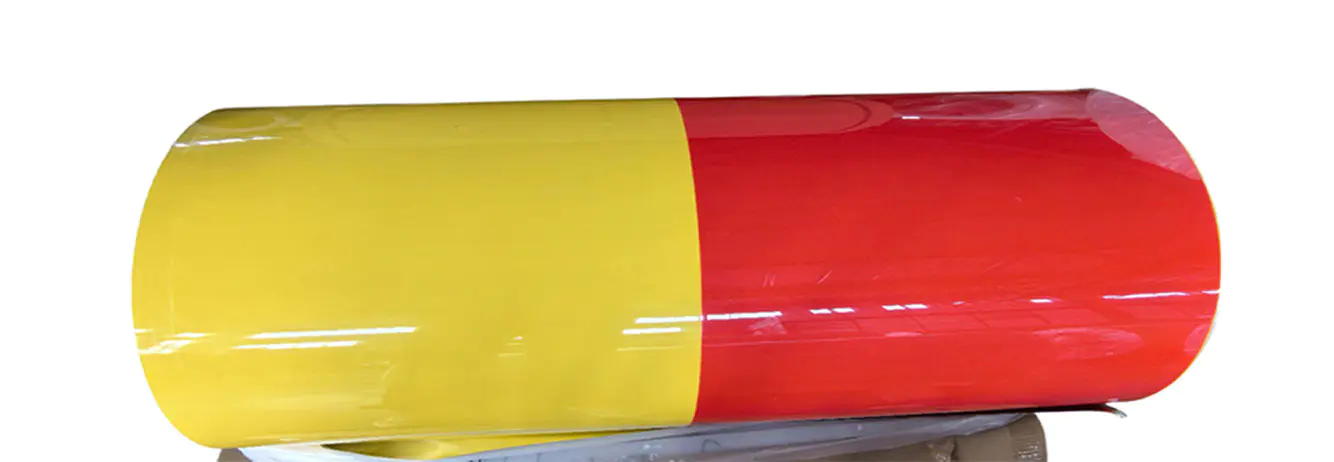
The coating section is one of the central parts of an Aluminum Coil Coating Line. Roll coaters apply coating materials evenly across the aluminum surface, helping create a uniform finish suitable for different applications.
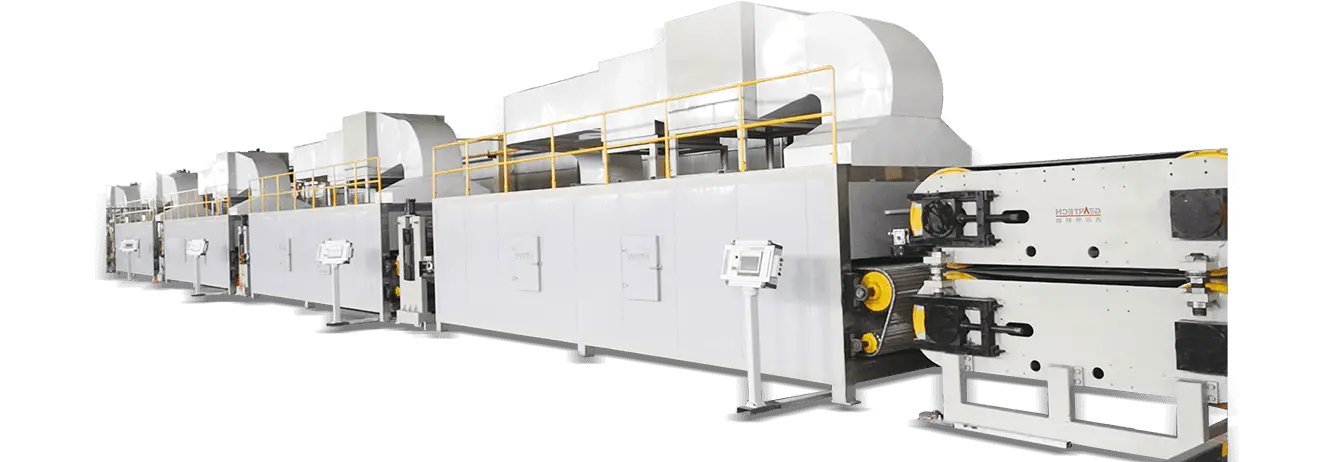
After coating, the material enters the curing section. Stable heating conditions allow the coating to cure properly before cooling. Careful coordination between coating application and curing helps maintain surface quality and prepares the aluminum coils for further processing, including manufacturing on an Aluminum Composite Panel Production Line.
Regular inspection of rollers, coating systems, and curing equipment supports consistent production and helps reduce process variations.
Cooling, Recoiling, and Inspection
Following the curing process, the coated aluminum coil moves through the cooling section. Controlled cooling helps stabilize the coating before the material is rewound.
The recoiling system collects the finished material in an organized manner, making storage and transportation more convenient. Smooth recoiling also helps protect the coated surface from unnecessary damage during handling.
Before leaving the production line, the finished coils should undergo routine quality inspection. Surface appearance, coating condition, and dimensional consistency are commonly checked to confirm that the products meet manufacturing requirements before entering the next production stage.
Automation and Maintenance
Automation supports efficient production by allowing operators to monitor different equipment sections from a centralized control system. Production conditions can be observed throughout the manufacturing process, making it easier to respond to routine operating changes and maintain stable workflow.
Routine maintenance is equally important. Rollers, motors, heating systems, and conveying equipment should be inspected regularly to keep the production line operating smoothly. Cleaning equipment, replacing worn components, and maintaining proper alignment all contribute to reliable day-to-day production.
Production records can also support future improvements. Reviewing maintenance activities together with production performance helps manufacturers identify opportunities to improve equipment utilization and organize maintenance schedules more effectively.
An Aluminum Coil Coating Line performs more consistently when every equipment section operates as part of an integrated production system. Working together with an Aluminum Composite Panel Production Line, it provides coated aluminum materials that support a wide range of manufacturing applications. Through proper equipment configuration, routine maintenance, and continuous production management, manufacturers can establish a stable production process while meeting the changing needs of different industries.


 中文简体
中文简体 English
 Português
 русский
 Español
 عربى
عربى